Cicel Vacuum Chrome Plating System for Plastic, Magnetron Sputtering Chrome Coating Equipment, Vacuum Deposition System (CCZK-ION)

Customization: Available
Type: Coating Production Line
Coating: Vacuum Coating

Product Description

📊

Basic Information

Model NO.
CCZK-ION
Substrate
Stainless Steel, Glass, Metal, Ceramic, Crystal
Certification
CE, ISO
Condition
New
Machine Type
Magnetron Sputtering
Chamber Size
Customizable
Application
Sanitary Ware, Car Wheels, Hardware, Cutlery, etc.
Coating Color
Golden, Rose Gold, Black, Blue, Rainbow, etc.
Coating Film
TiN, TiC, TiCN, TiAlN, CrN, Cu, etc.
Sputtering Target
Titanium, Chrome, Zirconium, Titanium Aluminium, etc.
Gas
Nitrogen, Argon, Oxygen, Acetylene
Voltage
380 V or as Request
After Sales
Free Training & Overseas Support Available
HS Code
8543300090
Capacity
20 set/Month
⚙️

Product Description

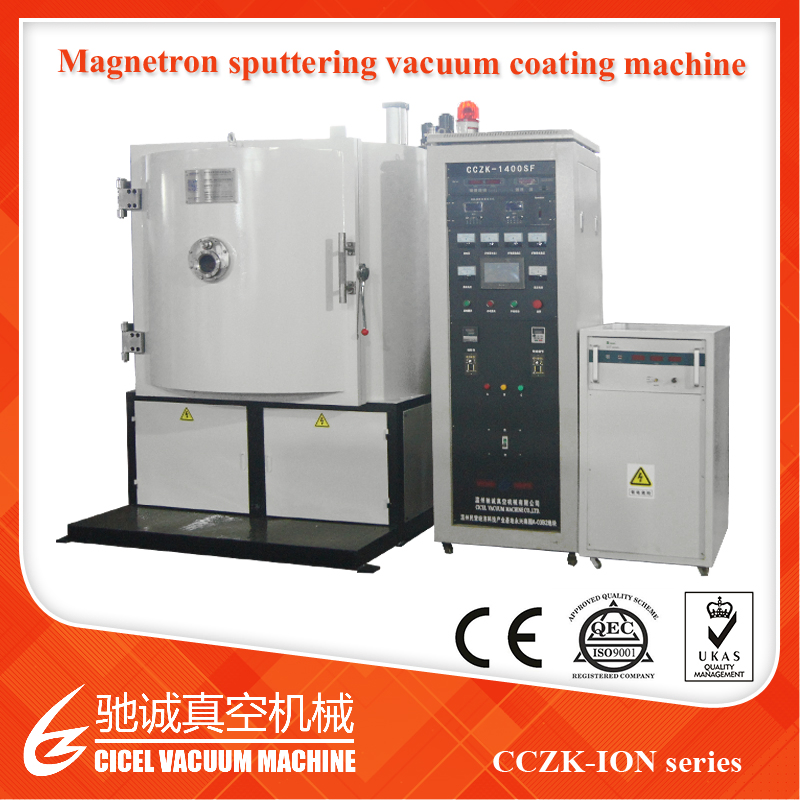
Vacuum Chrome Plating System for Plastic & Magnetron Sputtering Coating Equipment

What is Magnetron Sputtering Vacuum Metalizing?

Magnetron sputtering is a form of PVD (Physical Vapor Deposition) coating technology. The vacuum chamber is filled with an inert gas, such as argon. By applying high voltage, a glow discharge is created, accelerating ions to the target surface. This process results in the ejection of material which then coats the substrate. Reactive sputtering can also occur when gases like nitrogen or acetylene are introduced to react with the ejected material.

This method uses magnetic fields to increase plasma density, leading to higher efficiency, faster sputter rates, and improved ion bombardment, making it ideal for tribological and decorative applications.

🔄

Main Process Workflow

  • Parts are sprayed with a basecoat.
  • Parts are racked and placed into the sealed chamber.
  • Argon gas is introduced in a continuous flow.
  • Electricity creates an active Argon plasma field in front of the cathode.
  • Positively charged Argon atoms are accelerated through a magnetic field.
  • Atoms attract to the negative charged cathode containing the target.
  • Targets are bombarded, breaking off atoms with each collision.
  • Released target atoms are "shot" onto the surface of the part.
  • The basecoat provides a smooth surface for deposition and build-up.
  • The part receives a final top coat.
🚀

Applications

Our Magnetron Sputtering Coating Machine is designed for high-end results across various industries:

  • Hardware coating & decorative vacuum metallizing
  • Solar Control Reflective Glass
  • Low-E Glass production
  • Sputtering Aluminum Mirrors
  • Automobile Mirrors & Auto car wheels
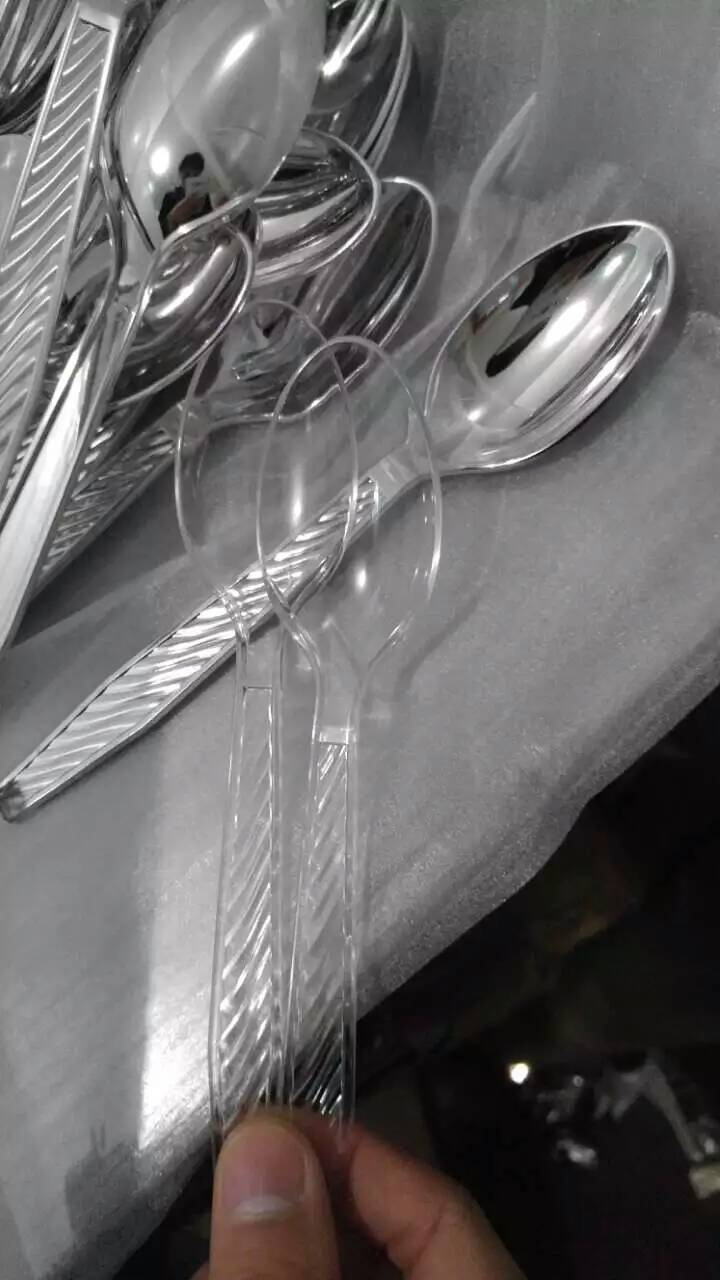
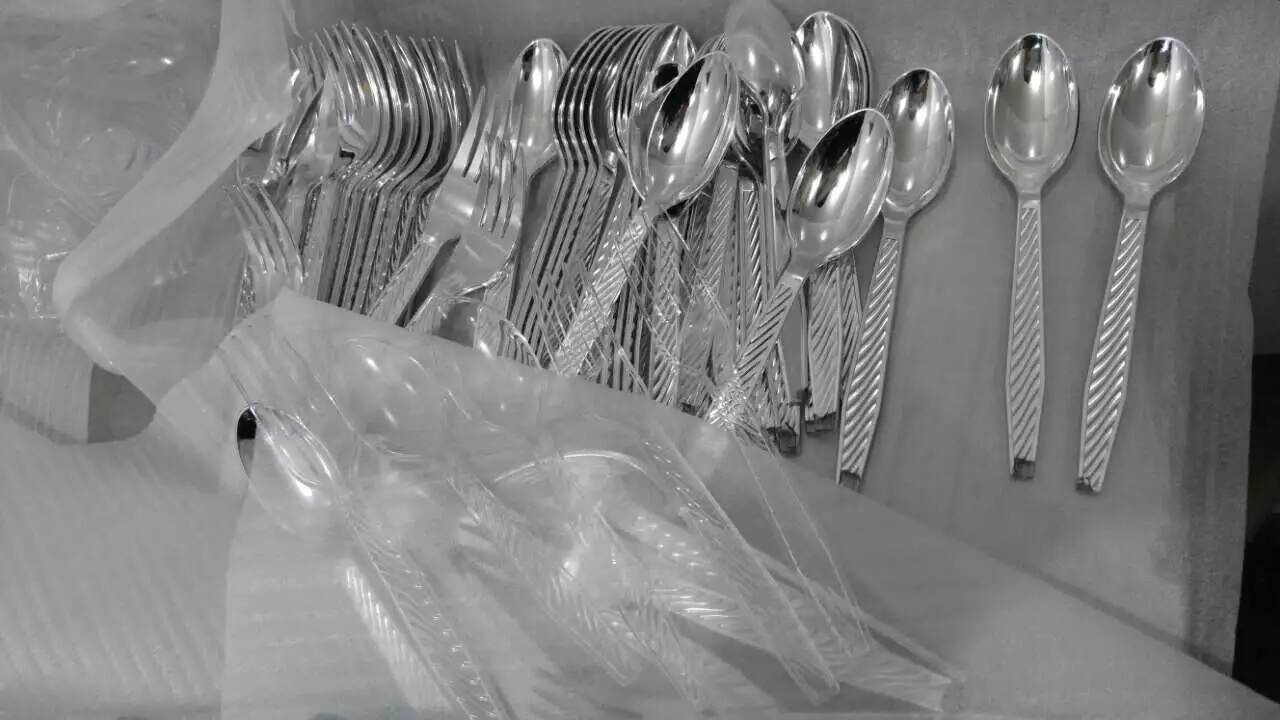
  • Plastic and metal cutlery

We provide advanced and economical total solutions for glass coating applications, including customized equipment design and continuous technical support.

🖼️

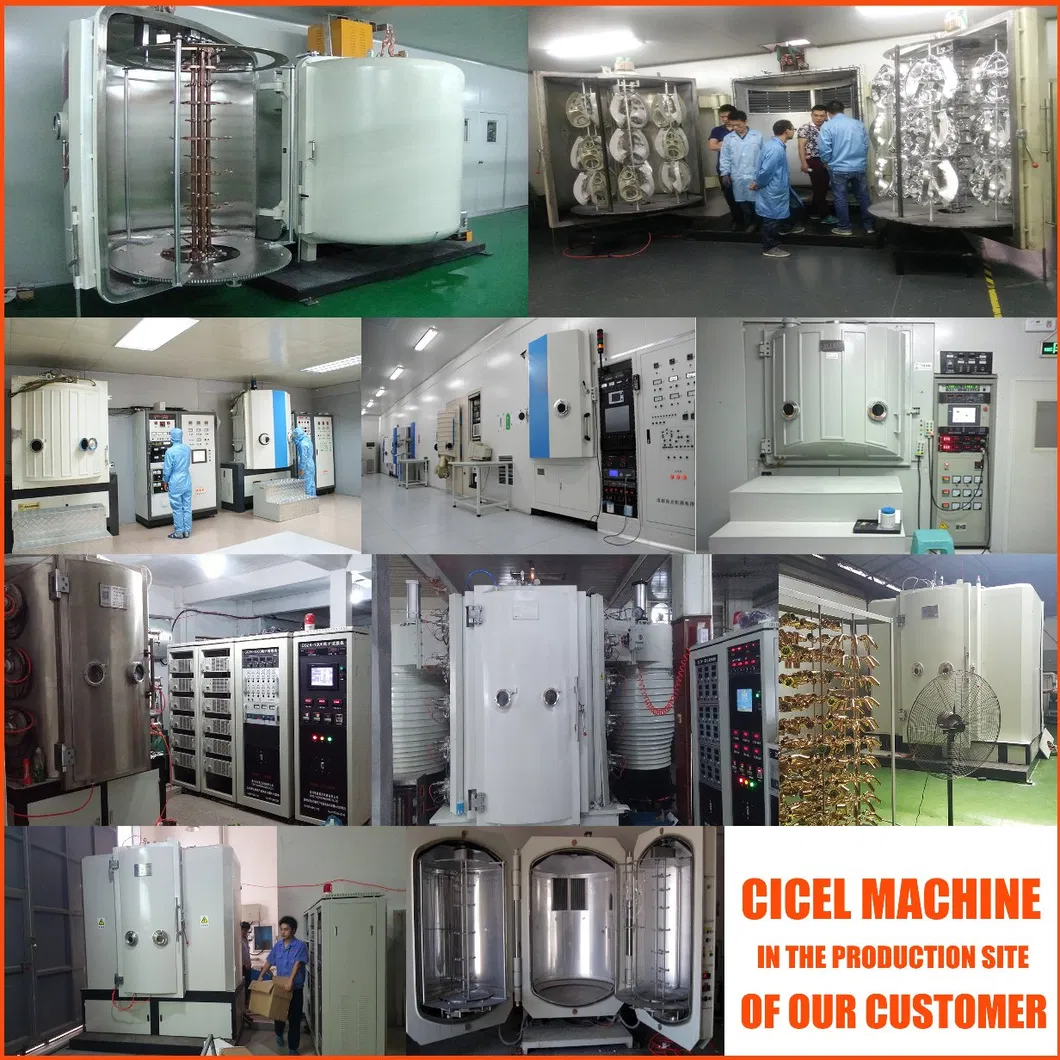
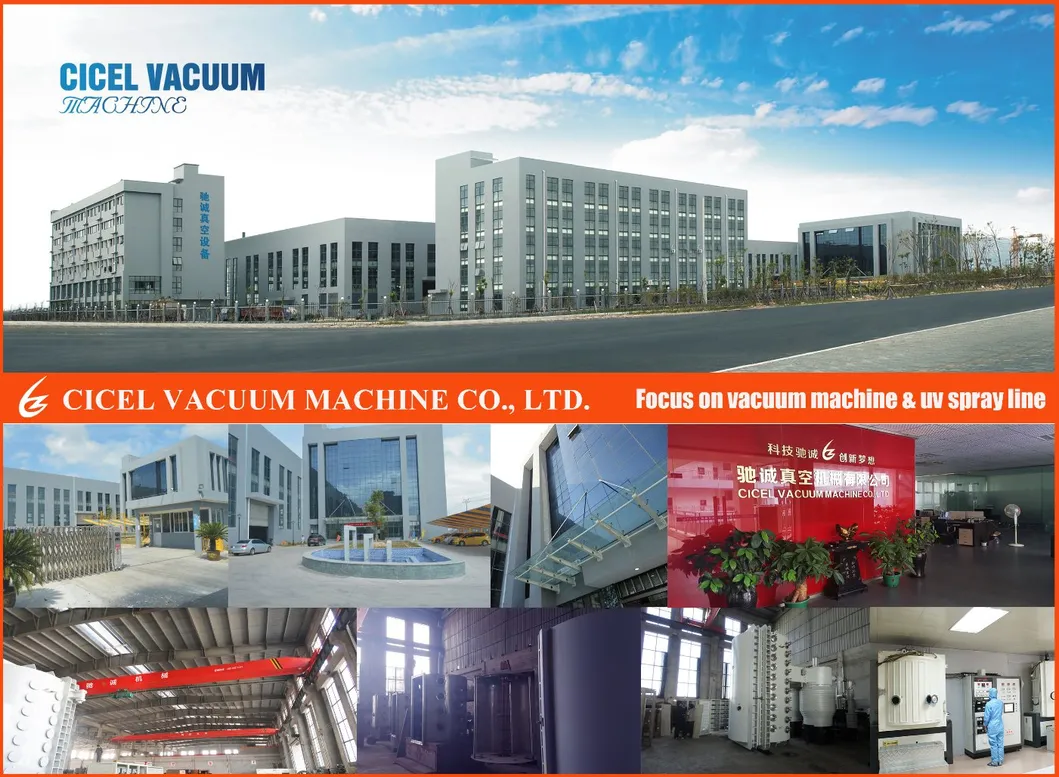
System Showcase

🛠️

Support Service & Philosophy

We stand behind our systems with a dedicated service team to maximize the return on your investment. Our offerings include:
  • Enquiry response within 24 working hours.
  • Professional suggestions from experienced sales engineers based on your requirements.
  • Customized machine design and overseas after-sales training.
  • On-site installation and professional training at the customer's factory.
  • Supply of replacement parts and consumable items.
  • System retrofits, upgrades, and maintenance.
  • 24/7 technical assistance and consulting.

Frequently Asked Questions

1. What materials can be coated with the CCZK-ION system?
The system is highly versatile and can coat a variety of substrates including stainless steel, glass, various metals, ceramics, and crystals.
2. What are the primary advantages of magnetron sputtering?
Magnetron sputtering offers increased efficiency, higher sputter rates, and improved ion bombardment. It creates tough-wearing and high-quality decorative coatings on plastics, metals, or glass.
3. What colors can be achieved through this PVD coating process?
Commonly requested colors include Golden, Rose Gold, Black, Blue, and Rainbow colors. Custom colors can often be developed based on specific target materials and reactive gases.
4. Is the chamber size fixed or customizable?
The chamber size can be fully customized according to the specific detailed requirements of the customer's production needs.
5. What kind of after-sales support do you provide?
We offer free training at our factory, overseas installation, 24/7 technical assistance, and a constant supply of replacement parts and consumables to ensure long-term operation.
6. Which gases are required for the sputtering process?
The process typically utilizes Argon as the primary inert gas, with Nitrogen, Oxygen, or Acetylene used as reactive gases to achieve different coating properties and colors.

Related Products