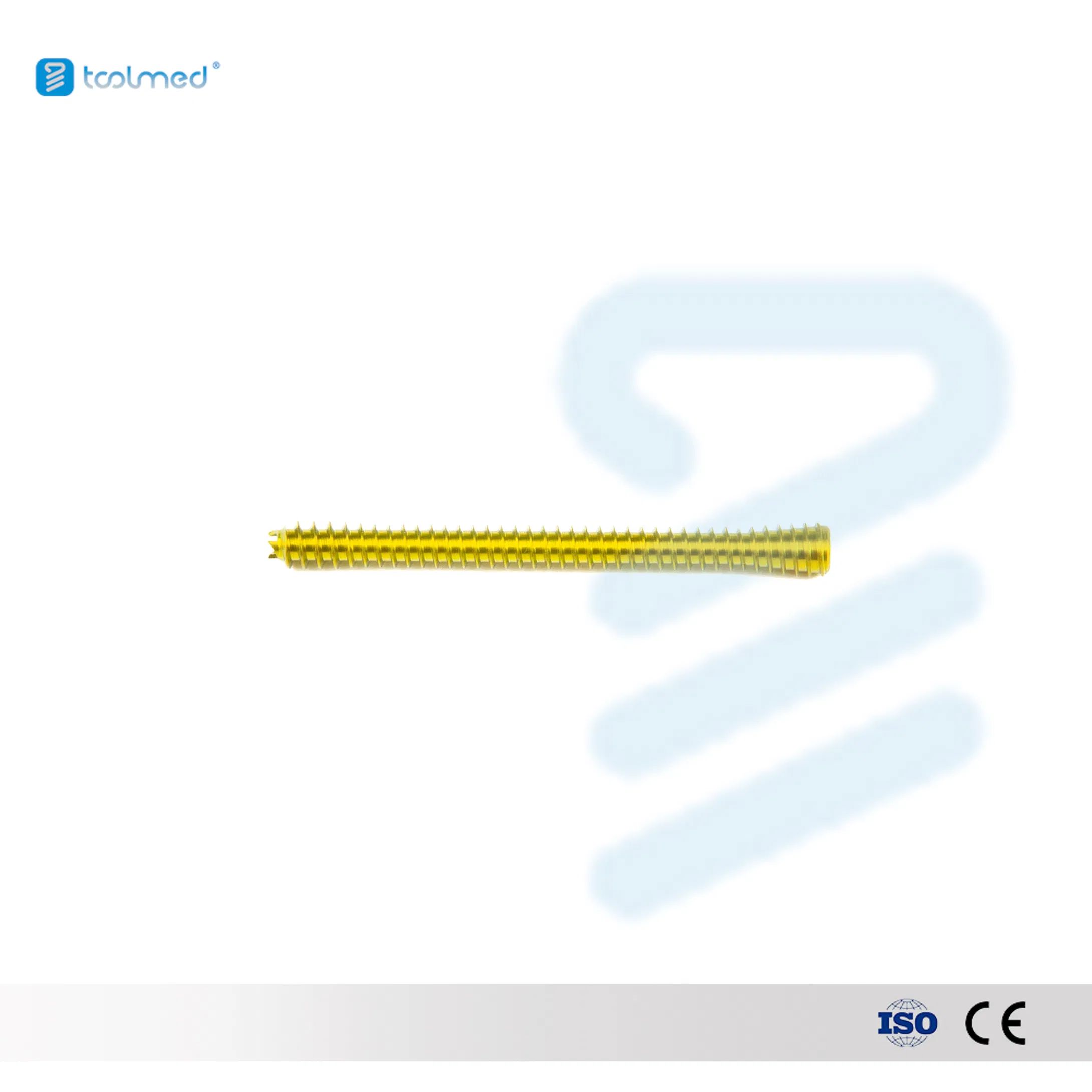
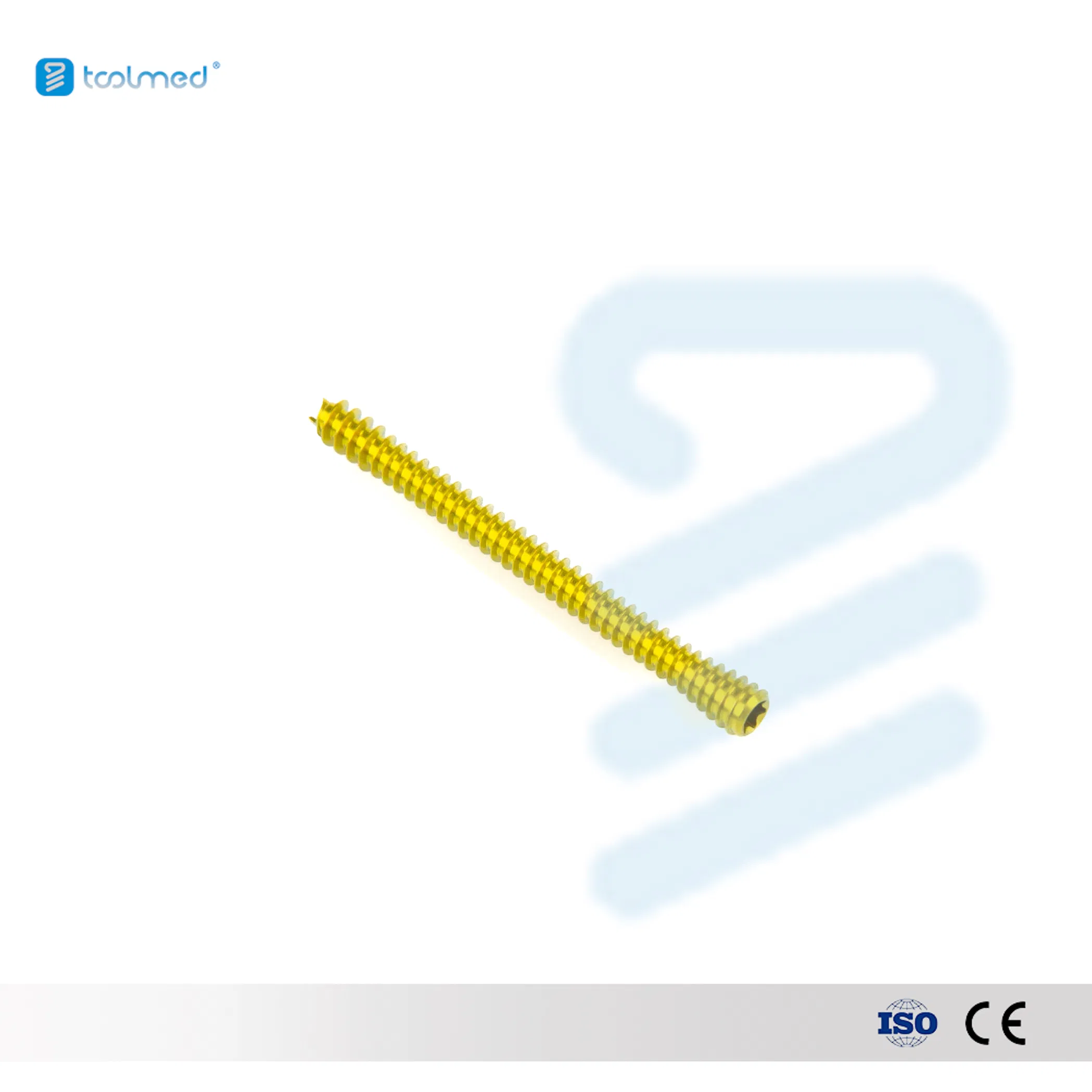
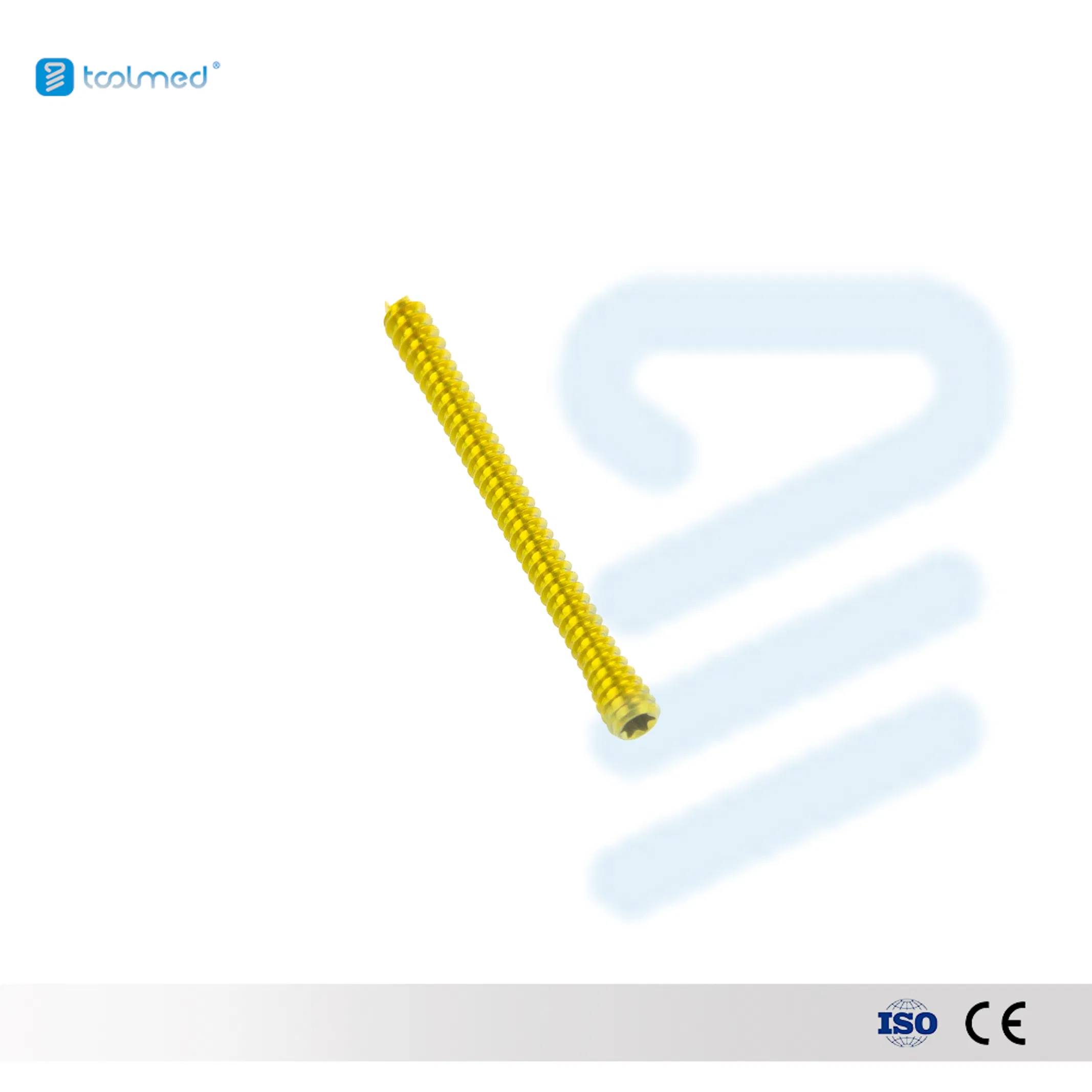
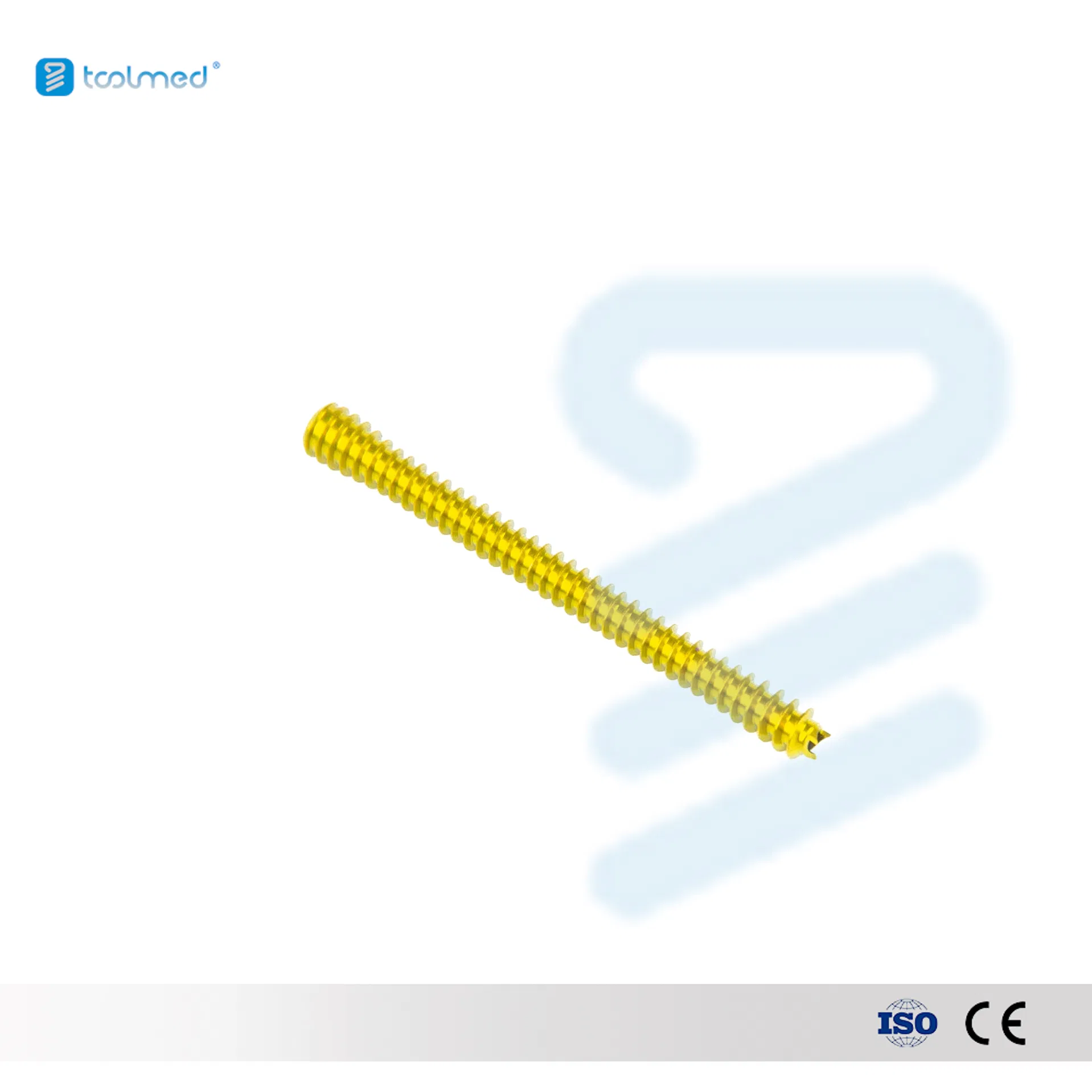
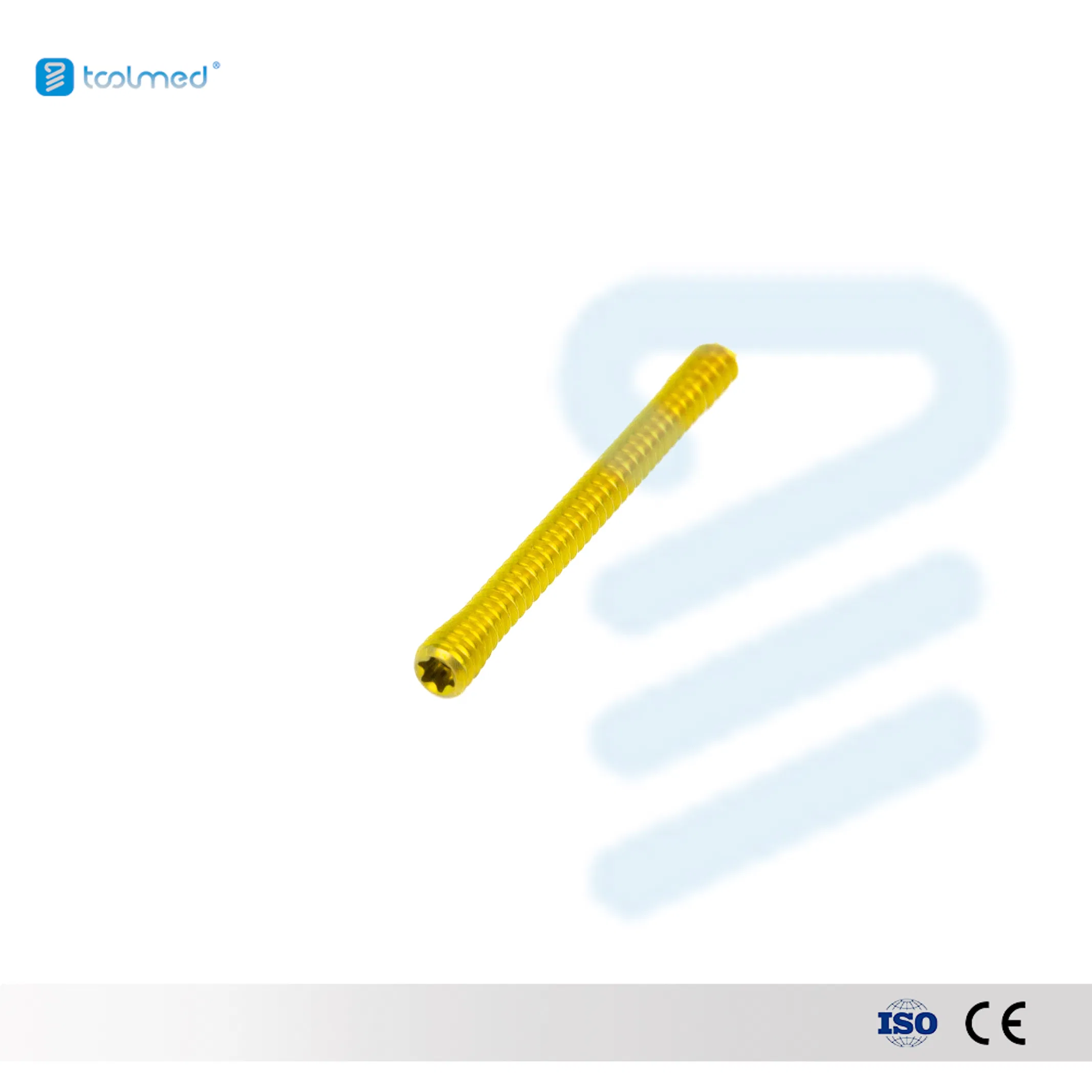
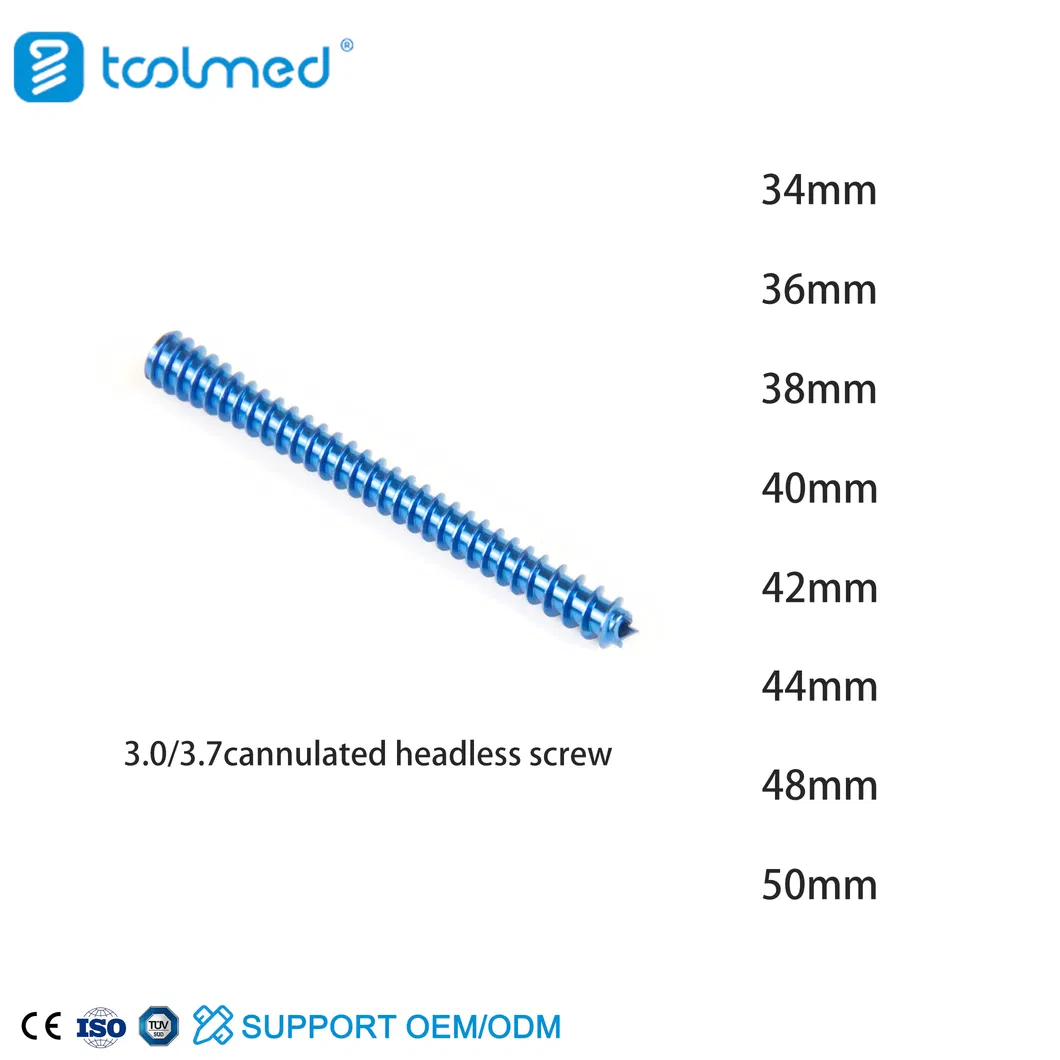
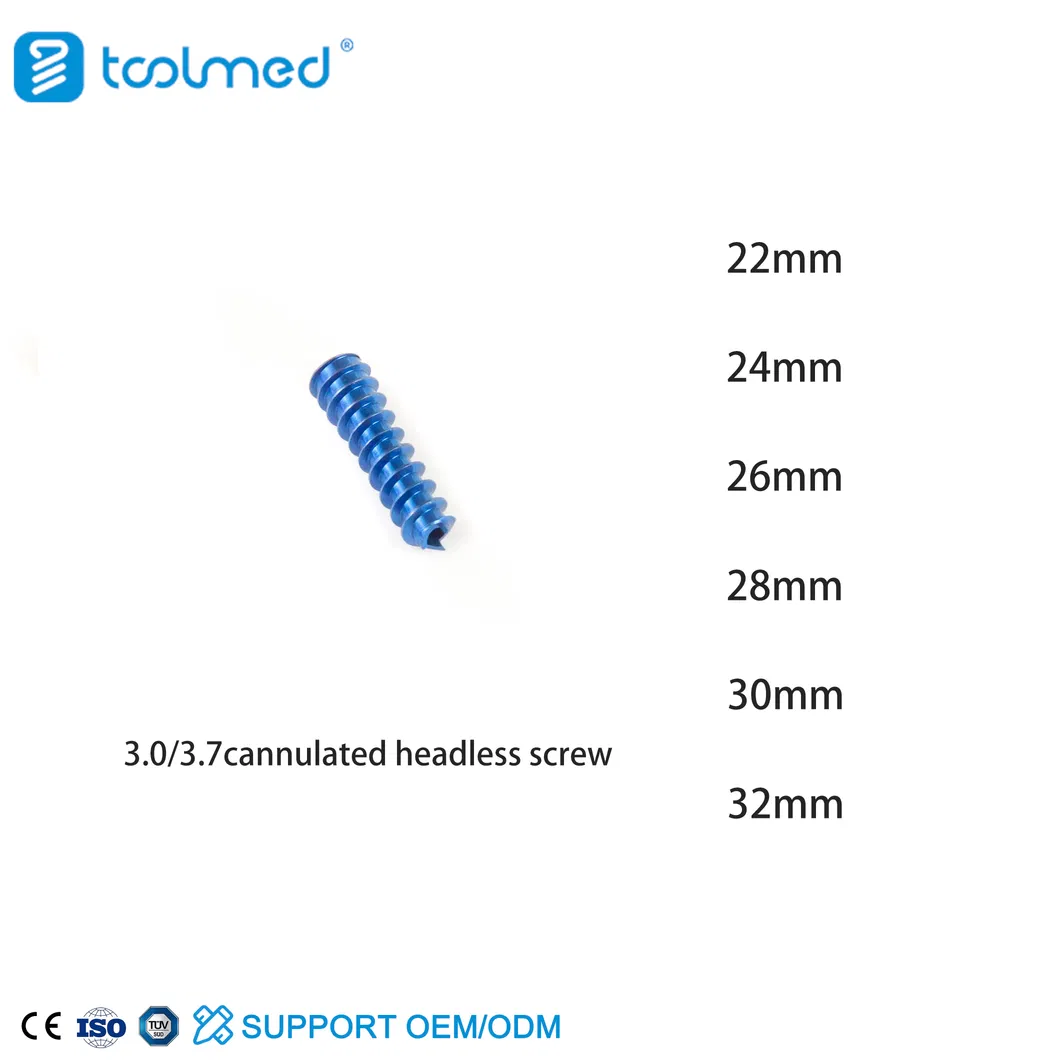
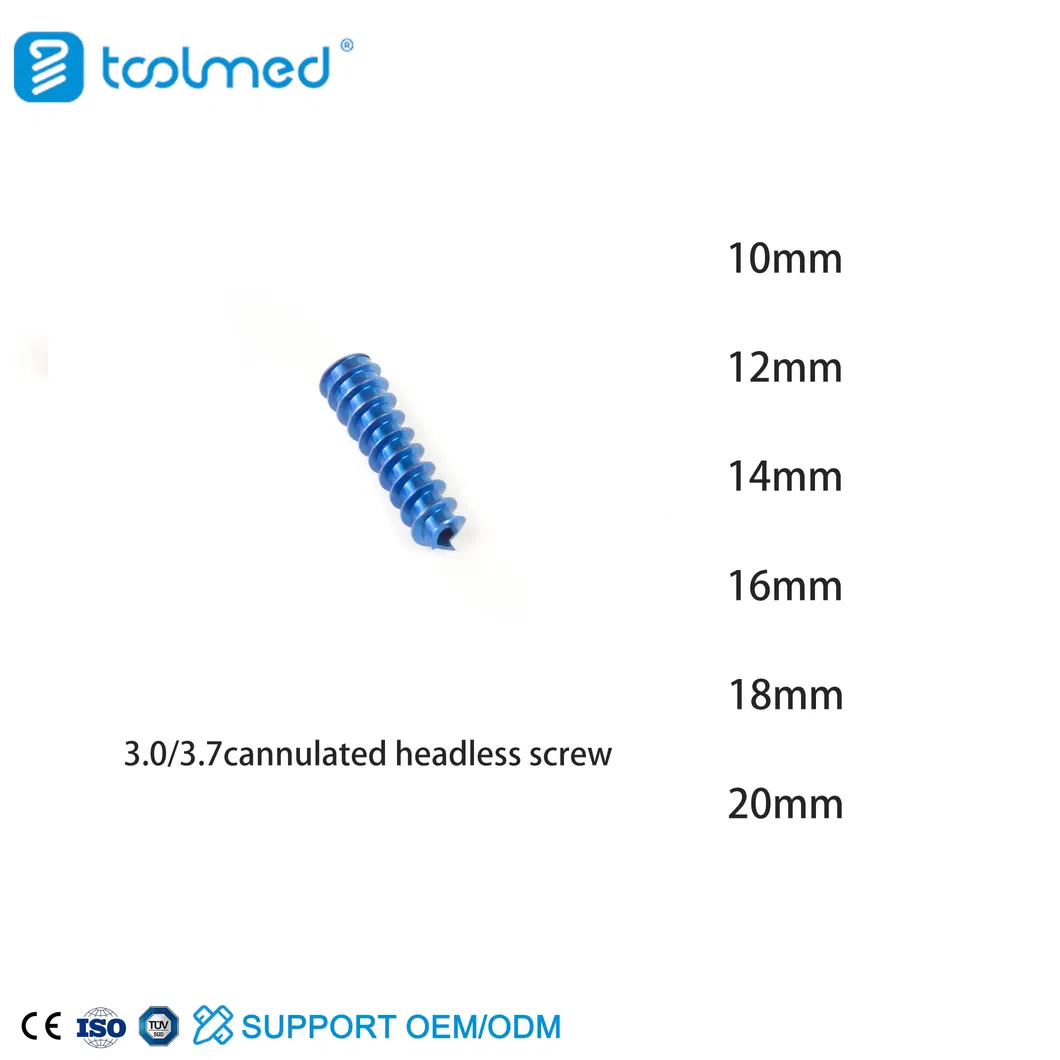
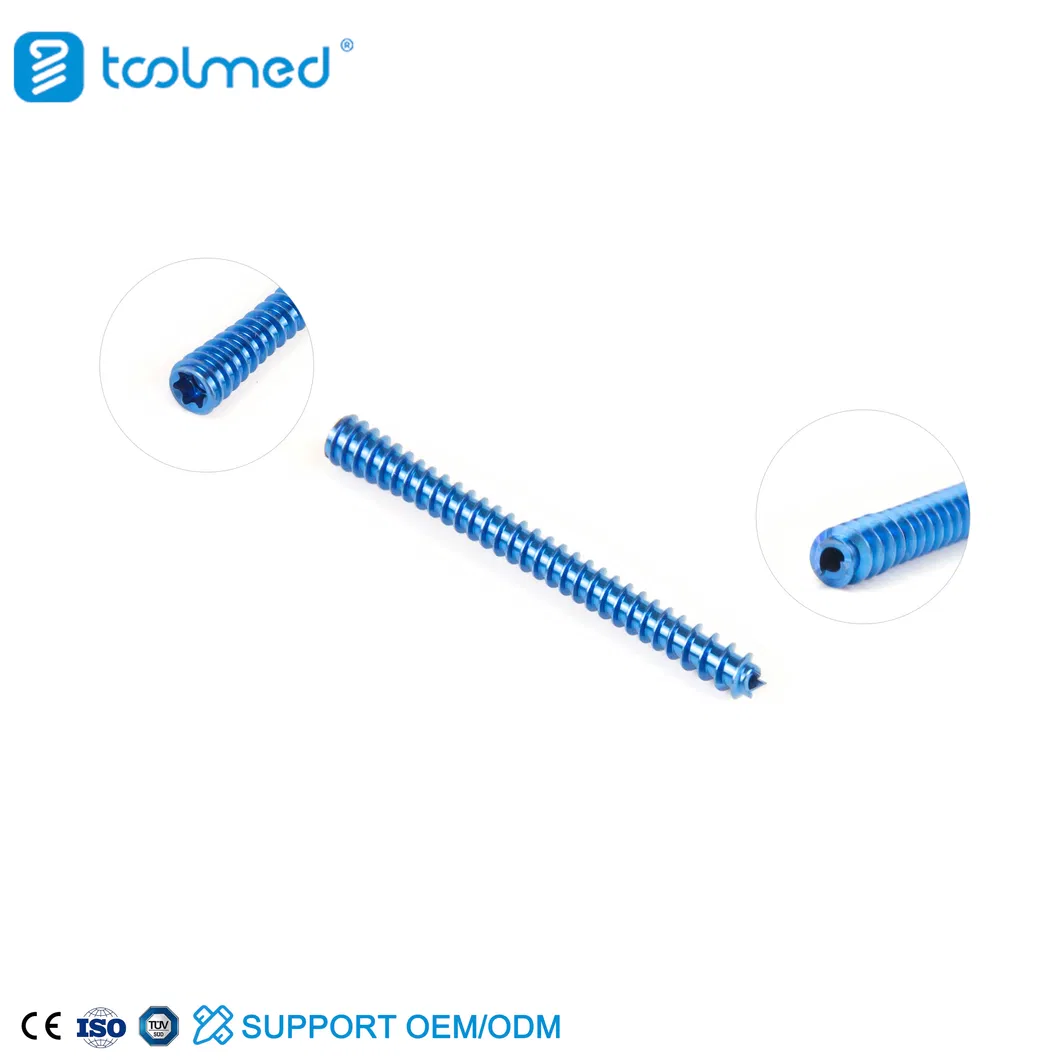
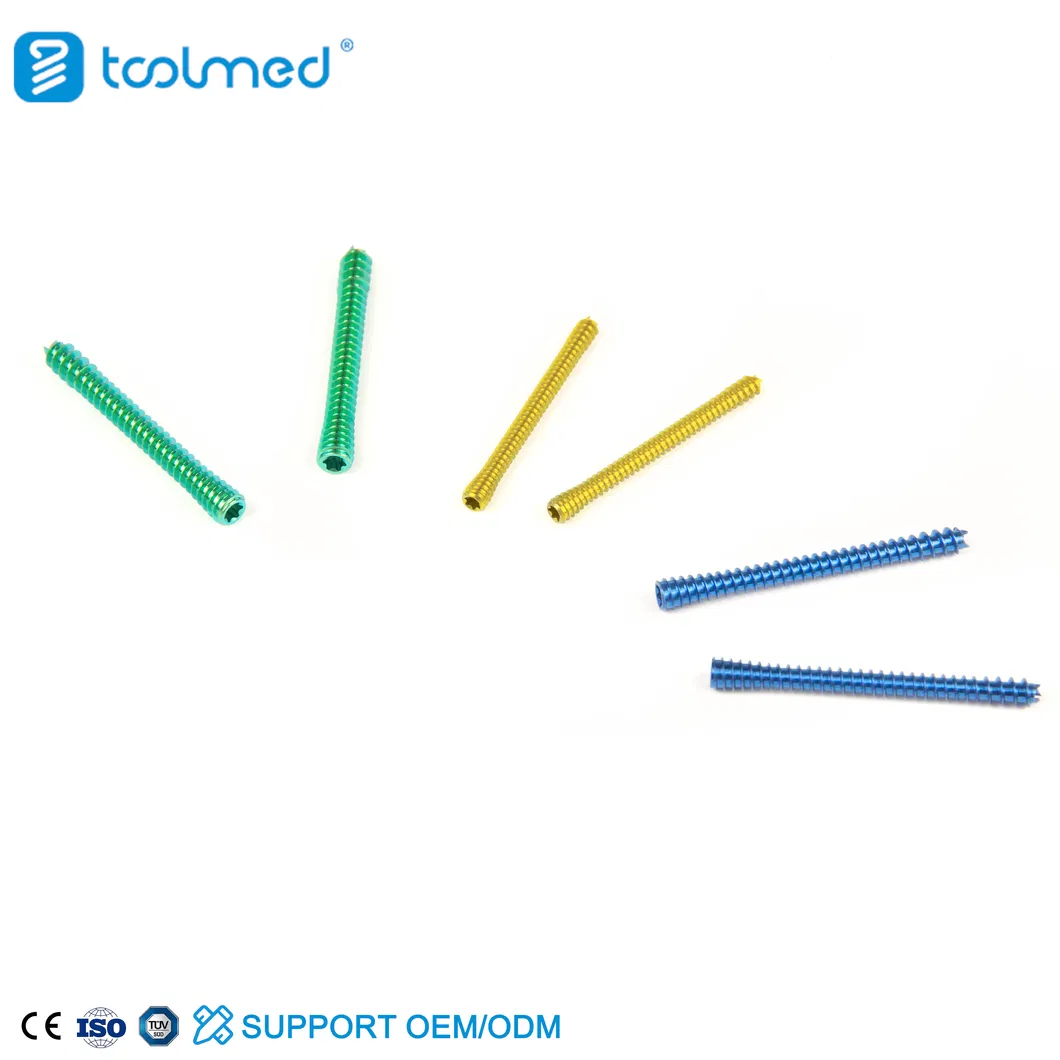
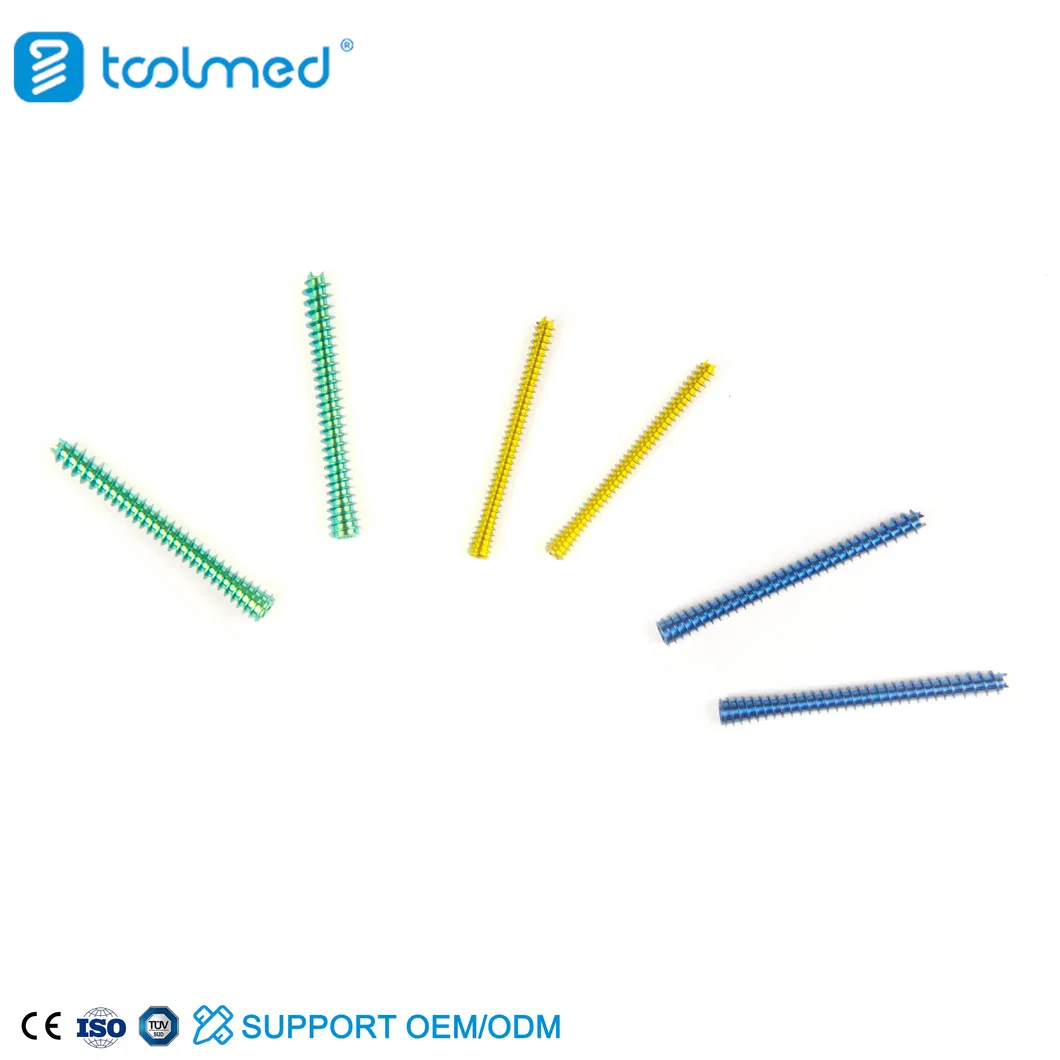
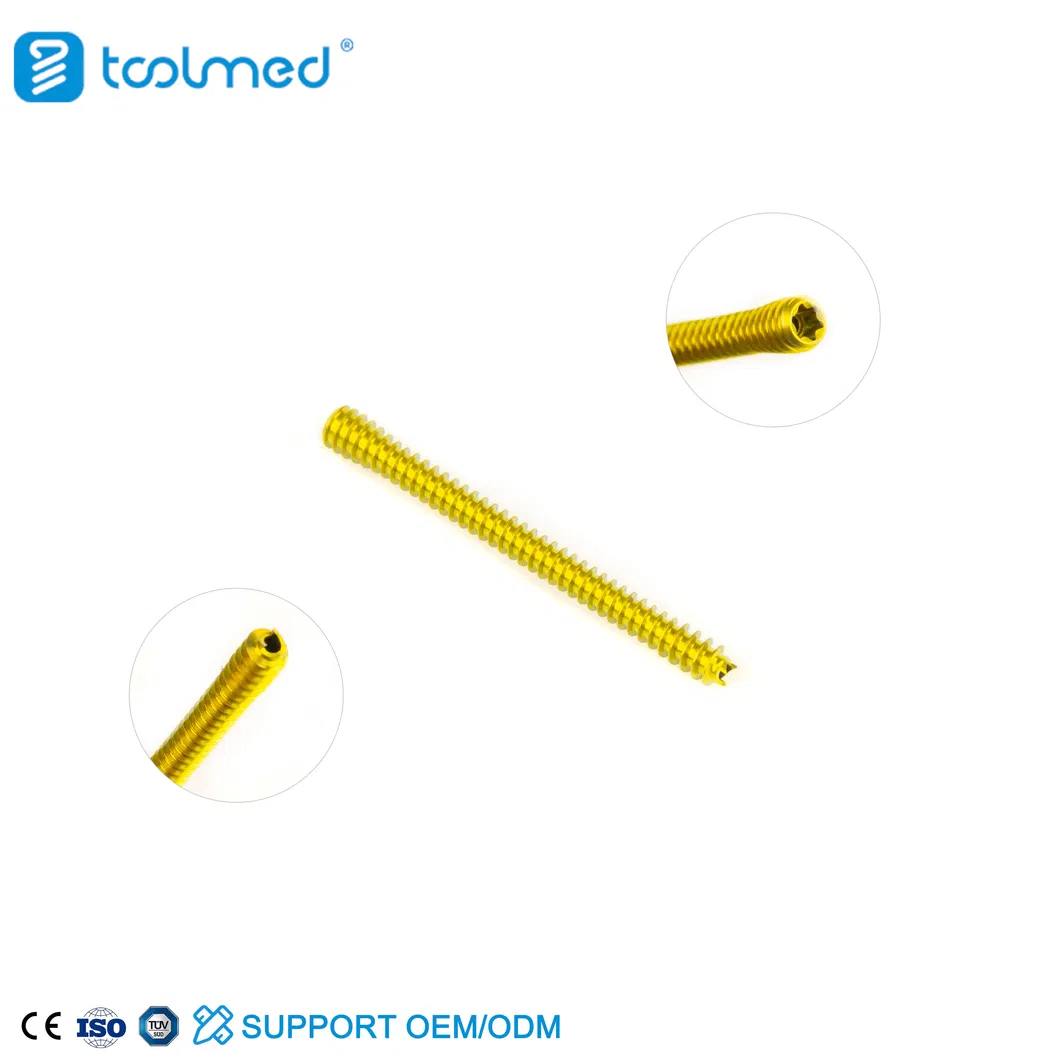
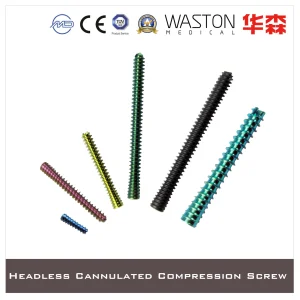
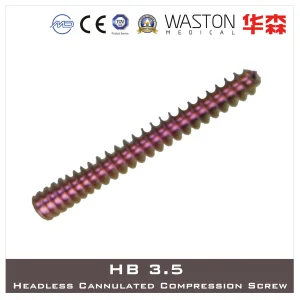
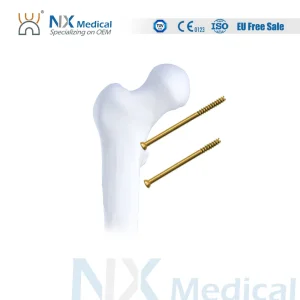
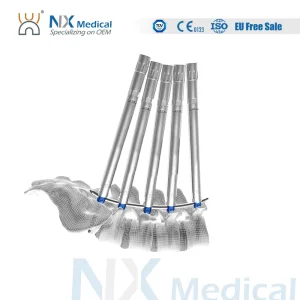
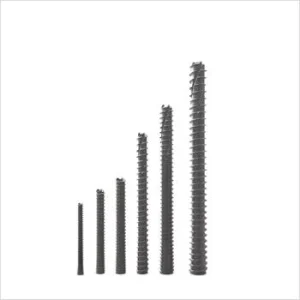
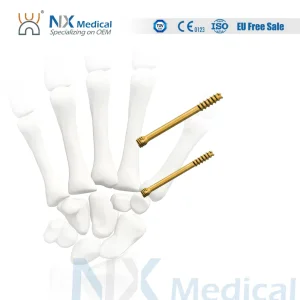
Cannulated Headless Compression Herbert Bone Screw Set Titanium Locking Orthopedic Trauma Surgical Implants Screws Price

Still deciding? Get samples of $ !
Request Sample

Product Description

Basic Information
Color
Customized
Application
Trauma Surgery
Material
Titanium Alloy
Transportation
DHL / TNT / FedEx / Air Flight
Transport Package
Plastic Bag / Carton
Specification
3.0 / 3.5 / 4.0 / 5.0
Origin
China
HS Code
902110000
Production Capacity
300,000 Pieces / Year
Product Showcase
Surgical Technique of Cannulated Headless Compression Screw

The surgical technique generally involves the following critical steps to ensure optimal fixation and healing:

1
Incision and ExposureMake a small incision (1-3 cm) near the fracture site, avoiding important nerves and blood vessels. Gently separate soft tissues layer by layer to fully expose the fracture end.
2
Fracture ReductionRestore the bone to its normal anatomical position using manual traction and rotation. Monitor the process under C-arm fluoroscopy for accuracy.
3
Guide Wire InsertionDetermine the entry point and insert the guide wire along the designed path under fluoroscopic guidance until it reaches the target position.
4
Determination of Screw LengthUse a dedicated measuring device over the guide wire. Select a screw 2-4 mm shorter than the measured length for proper countersinking.
5
DrillingUse an appropriate cannulated drill bit to drill a hole along the guide wire. Apply irrigation to cool the bit and prevent thermal injury.
6
Screw Insertion & FixationMount the screw and insert it manually over the guide wire. Advance until the head is flush with the bone, ensuring trailing threads are fully buried.
7
Wound ClosureIrrigate the wound with normal saline and suture in layers (muscles/fascia first, then skin). Apply appropriate dressing and external fixation if necessary.
Product Specifications
Item Code Product Description Specification (Diameter * Length) Material
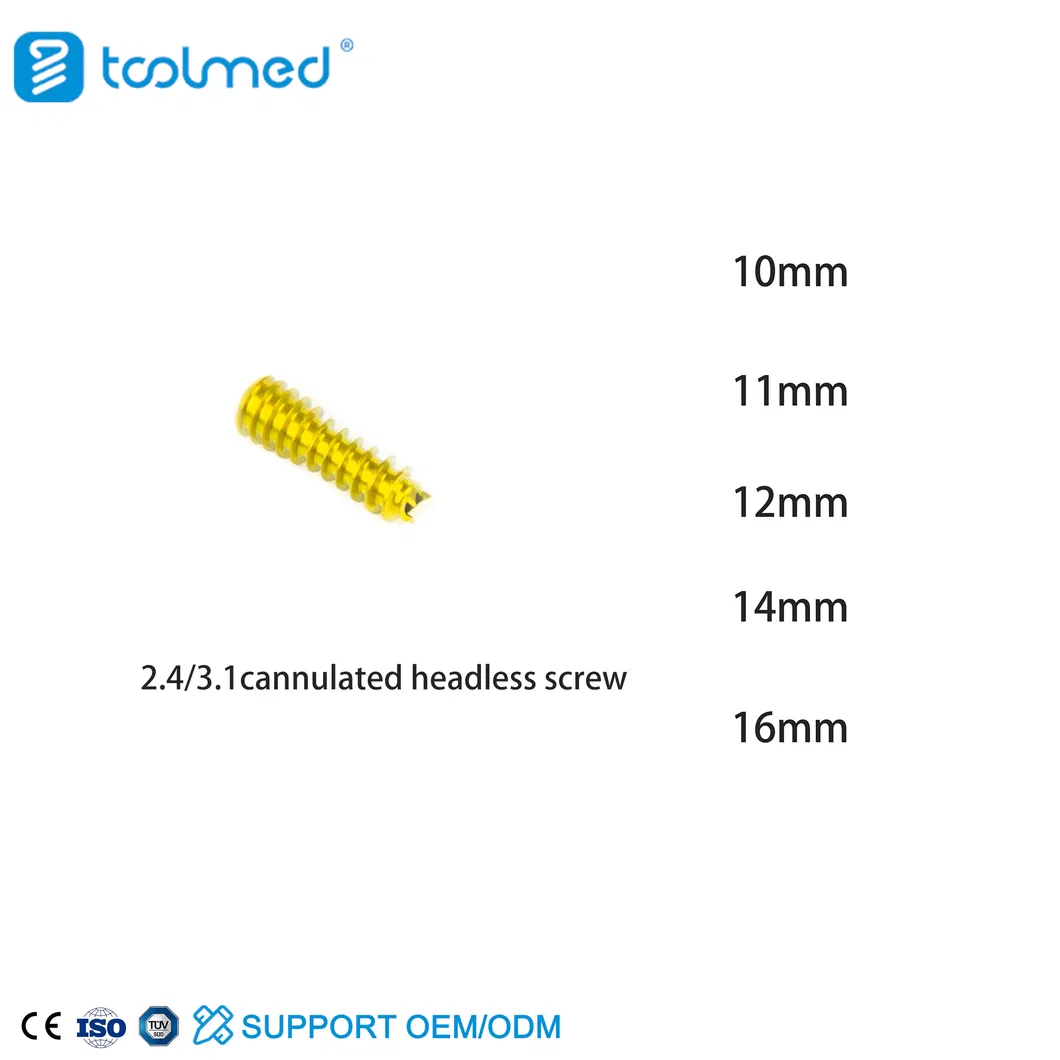
T3602-0101 to 0110Cannulated Headless Compression Screw (Hex)3.0 * 12mm - 30mmTC4
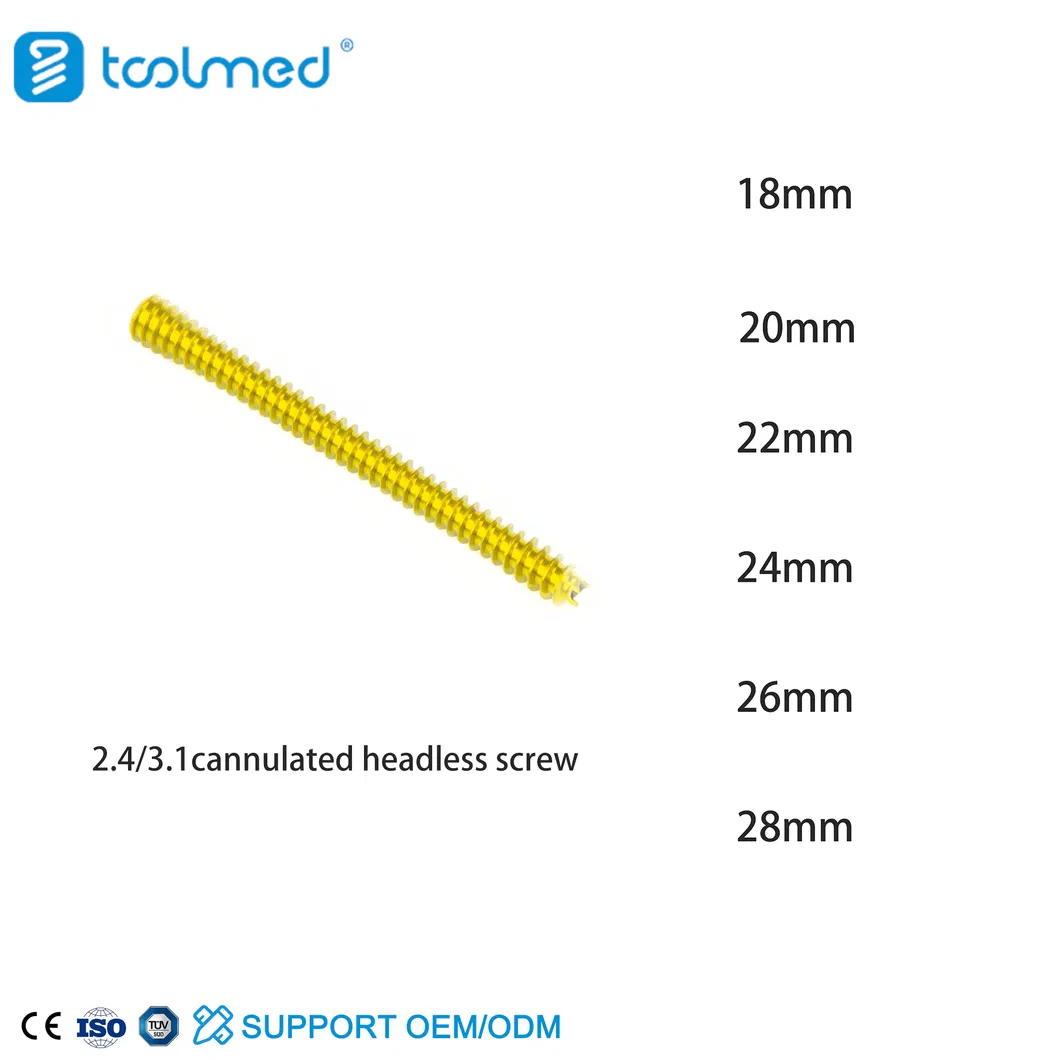
T3602-0201 to 0214Cannulated Headless Compression Screw (Hex)3.5 * 14mm - 40mmTC4
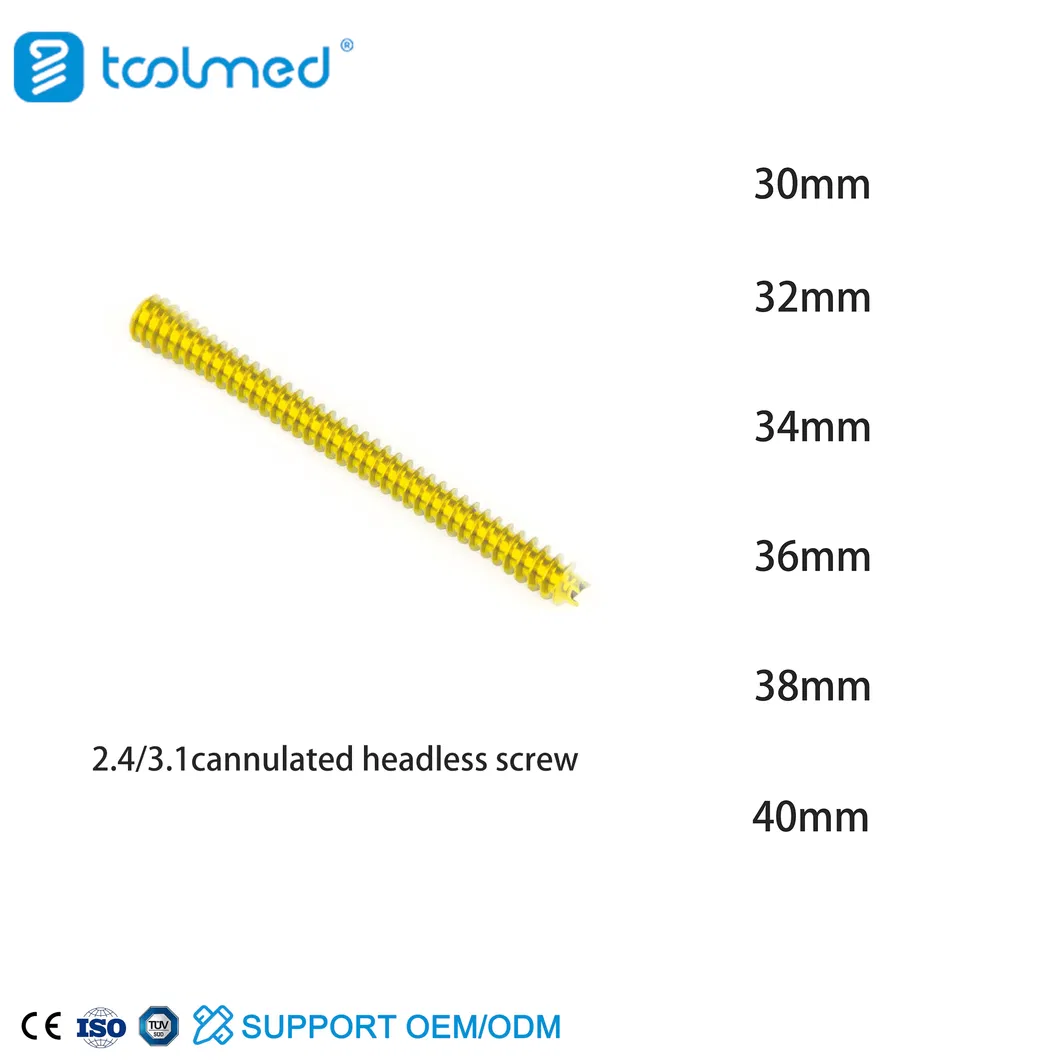
T3602-0301 to 0320Cannulated Headless Compression Screw (Hex)4.0 * 16mm - 60mmTC4
T3602-0401 to 0420Cannulated Headless Compression Screw (Hex)5.0 * 20mm - 70mmTC4
A Comprehensive Guide to CHCS

What is a Cannulated Headless Compression Screw?
A Cannulated Headless Compression Screw (CHCS) is a specialized orthopedic implant designed for stable fixation of bone fractures, particularly scaphoid fractures. Its headless design allows it to be buried below the articular surface, reducing soft tissue irritation while providing powerful compression across the fracture site.

Key Advantages:

  • Reduced Soft Tissue Damage: No protruding head means less friction with surrounding tendons and ligaments.
  • High Stability: Provides superior compression, promoting faster and more reliable bone healing.
  • Minimally Invasive: Cannulated design allows for precise percutaneous insertion over a guide wire.
  • Better Range of Motion: Low profile design minimizes mechanical interference in joints.

Indications:
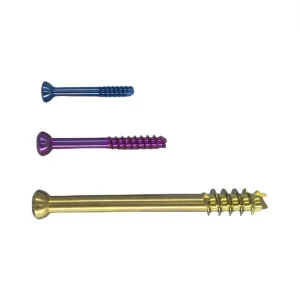
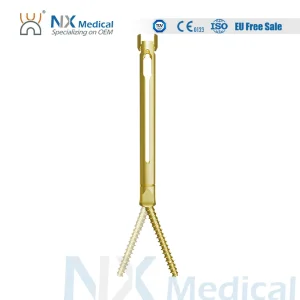
CHCS are primarily used for fractures of long bones (femur, tibia, humerus), spiral fractures, nonunions, and malunions where compression and internal fixation are required without the bulk of a traditional screw head.
Frequently Asked Questions (FAQ)
What materials are these screws made of?
The Cannulated Headless Compression Screws are typically manufactured from high-grade Titanium Alloy (TC4) to ensure biocompatibility and strength.
How long is the typical recovery time after CHCS surgery?
Recovery varies by fracture severity, but rehabilitation usually begins within a few weeks. Full improvement and bone consolidation are typically observed over several months.
Can these screws be removed later?
While they are designed for permanent internal fixation, they can be removed if they cause pain or complications, following a consultation with a physician.
What is the advantage of a "headless" design?
The headless design allows the screw to be fully embedded within the bone. This prevents the screw head from protruding and irritating nearby soft tissues or interfering with joint movement.
Are there different types of CHCS available?
Yes, there are fully threaded, partly threaded, self-drilling, and self-tapping variations to suit different surgical needs and bone qualities.
What is the delivery time for these implants?
The regular lead time for these orthopedic implants is approximately 30 days for standard orders.

Related Products