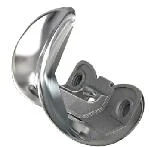
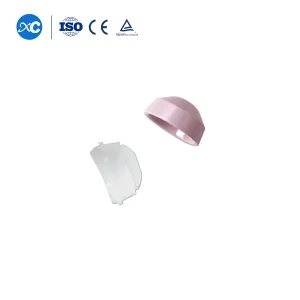
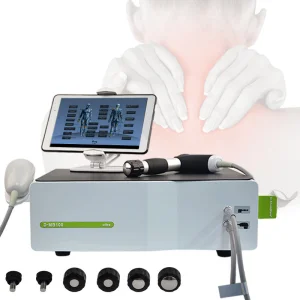
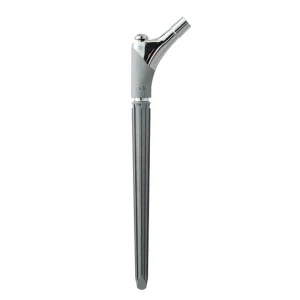
The healthcare sector in Tanzania is currently undergoing a transformative phase. As the nation advances towards its Vision 2025 goals, the demand for high-quality orthopedic solutions, particularly Total Hip Replacement (THR) systems, has surged. Factors such as the rising incidence of osteoarthritis due to an aging population, coupled with secondary complications from hip dysplasia, have necessitated a robust supply of implantable prosthetics.
However, local clinical institutions often face challenges regarding supply consistency and the availability of advanced, cost-effective implant technology. Bridging this gap requires strategic partnerships with global manufacturers who understand the regulatory nuances of East Africa while maintaining stringent international quality standards (ISO 13485).
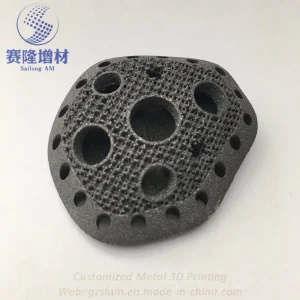
China has solidified its position as a global manufacturing hub for orthopedic consumables. By integrating advanced 3D-printing technologies with shape-memory alloys, Chinese factories provide products that rival Western counterparts in biocompatibility and durability, but at a price point that facilitates accessibility in emerging markets like Tanzania.
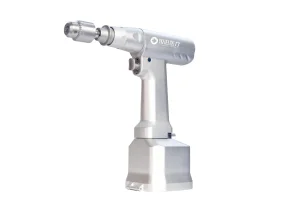
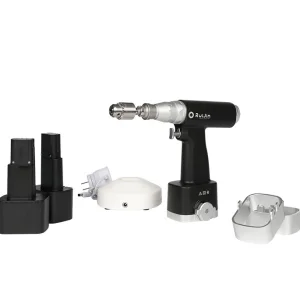
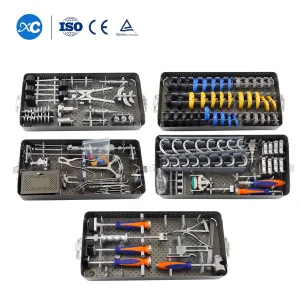
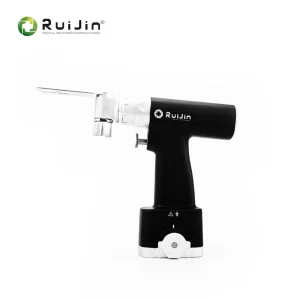
Our export strategy focuses on the "Information Gain" principle: we do not just sell implants; we provide clinical toolsets, surgical power drill compatibility, and comprehensive technical documentation. This empowers Tanzanian surgeons to perform procedures with higher precision and lower complication rates.
Hospitals Supported
Countries Exported
Patents Held
Shenzhen Weed Medical Apparatus Co., Ltd. (established in 2015) stands at the forefront of the orthopedic consumable sector. We bridge the gap between complex R&D and clinical application. By collaborating with university professors and frontline hospital staff, we refine our instruments—from surgical power drills to sophisticated cementless titanium implants—to ensure they meet the rigorous demands of daily orthopaedic surgery.
 Weed Orthopedic Implants