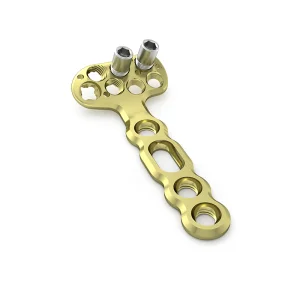
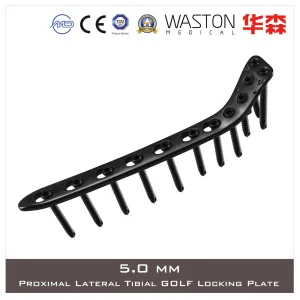
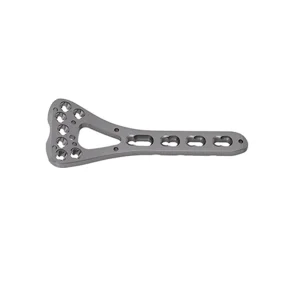
Anatomical, low-profile internal fixation implants optimized for the bone quality demographics of patients in Genoa.
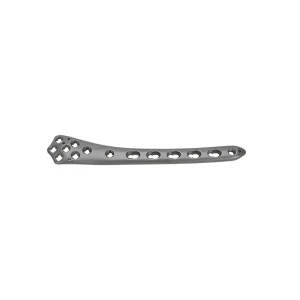
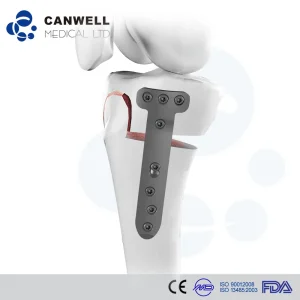
Analyzing clinical stress patterns, surgical compliance, and age-adapted osteosynthesis systems in Liguria's healthcare framework.
Genoa and the wider Liguria region represent one of the most distinctive demographic markets in Europe, characterized by a highly advanced average age index. Consequently, local clinical centers—such as the renowned Ospedale Policlinico San Martino, Istituto Giannina Gaslini, and E.O. Ospedali Galliera—regularly manage high volumes of fragility fractures secondary to severe osteoporosis.
Standard cortical screws and non-locking compression plates often display higher failure rates in low-density trabecular bone due to screw pull-out. The demand for fixed-angle constructs, notably LCP (Locking Compression Plates), has become the clinical standard. These systems function as internal fixators, distributing mechanical loads across the entire plate-screw interface rather than relying on bone-to-plate friction.
Beyond geriatric fragility fractures, Genoa's unique geography—a narrow urban strip sandwiched between mountain ridges and the sea—correlates with high scooter and motorcycle transport density. This results in distinct clinical patterns of high-energy vehicle impacts.
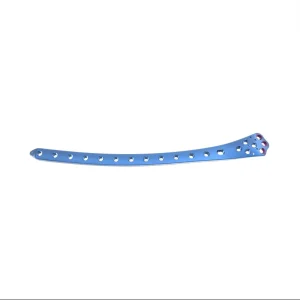
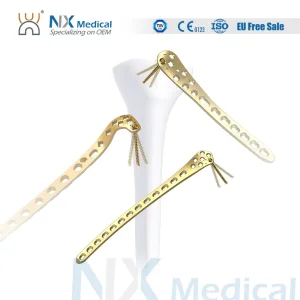
Complex articular fractures of the knee joint (proximal tibial and distal femoral plateaus) and calcaneal fractures require robust, anatomical plates that conform to complex bony surfaces without compromising periosteal blood supply. To support these surgical requirements, our locking plates utilize Type II titanium anodization and variable-angle screw placement mechanisms to ensure precise mechanical reduction.
Shenzhen Weed Medical Apparatus Co., Ltd., established in 2015, primarily engages in the sales of medical devices and maintains in-depth business and technical cooperation with leading domestic and international consumable manufacturers. Most of its products boast technology and materials superior to industry standards.
The company's business is divided into direct sales and distribution. Its products include absorbable materials, shape memory alloys, 3D-printed orthopedic consumables, external fixators, and other major surgical consumables. In our domestic footprint, these products are utilized by over 200 hospitals in Sichuan Province, earning a stellar reputation among peers and medical institutions.
We collaborate closely with professors, universities, and frontline clinical staff in domestic and international hospitals. During our sales and design cycles, we consistently focus on the technological contributions and clinical outcomes of our products. Our technical department partners with hospital experts and university research groups to tackle challenging structural concerns in orthopedic fixation.

Every batch of bone plates and locking screws undergoes absolute mechanical verification to satisfy international CE, ISO 13485, and European MDR compliance standards.
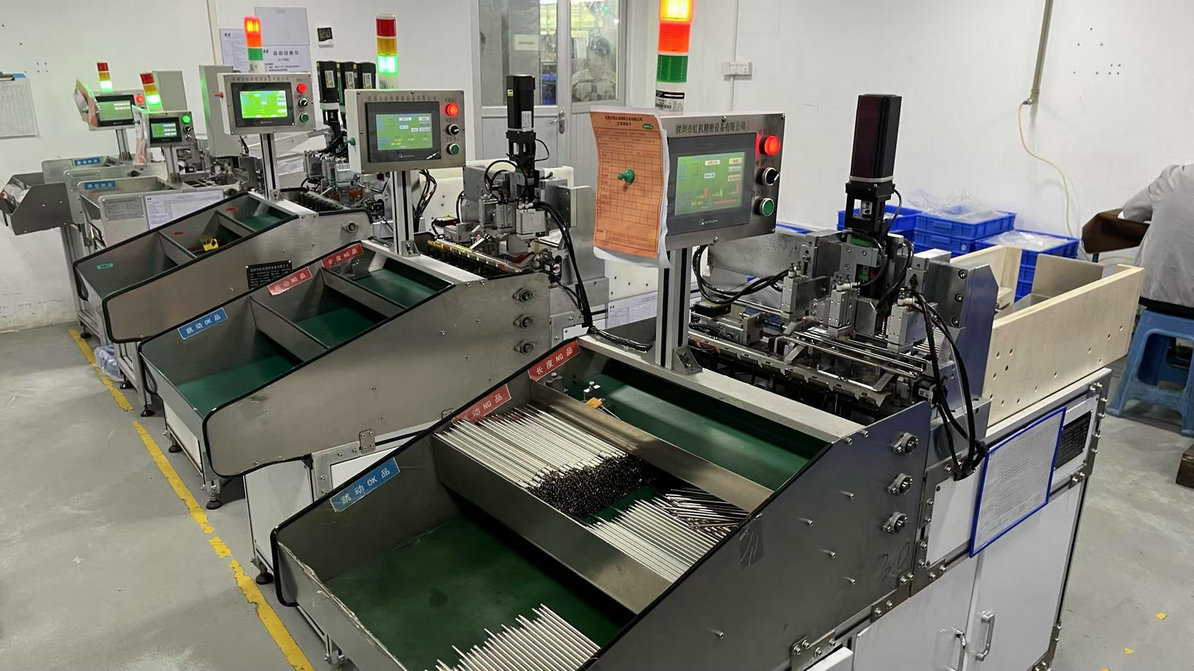
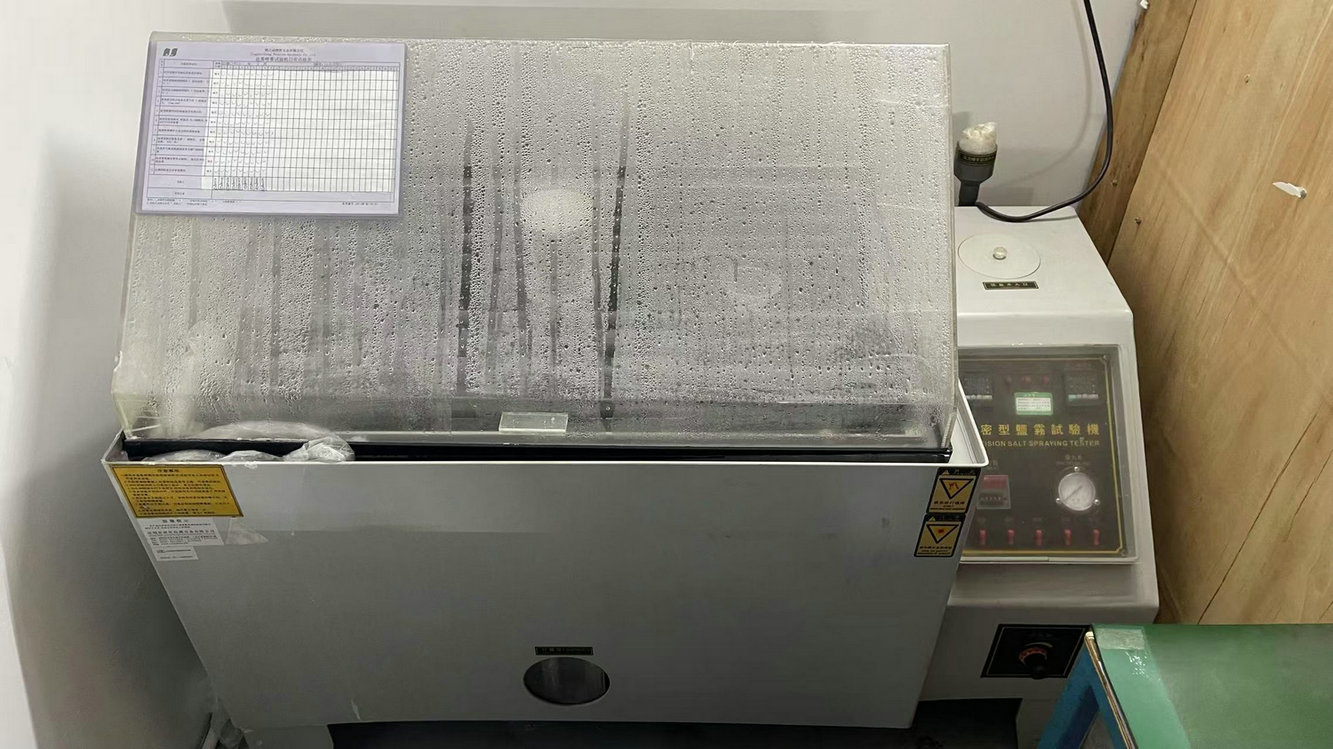
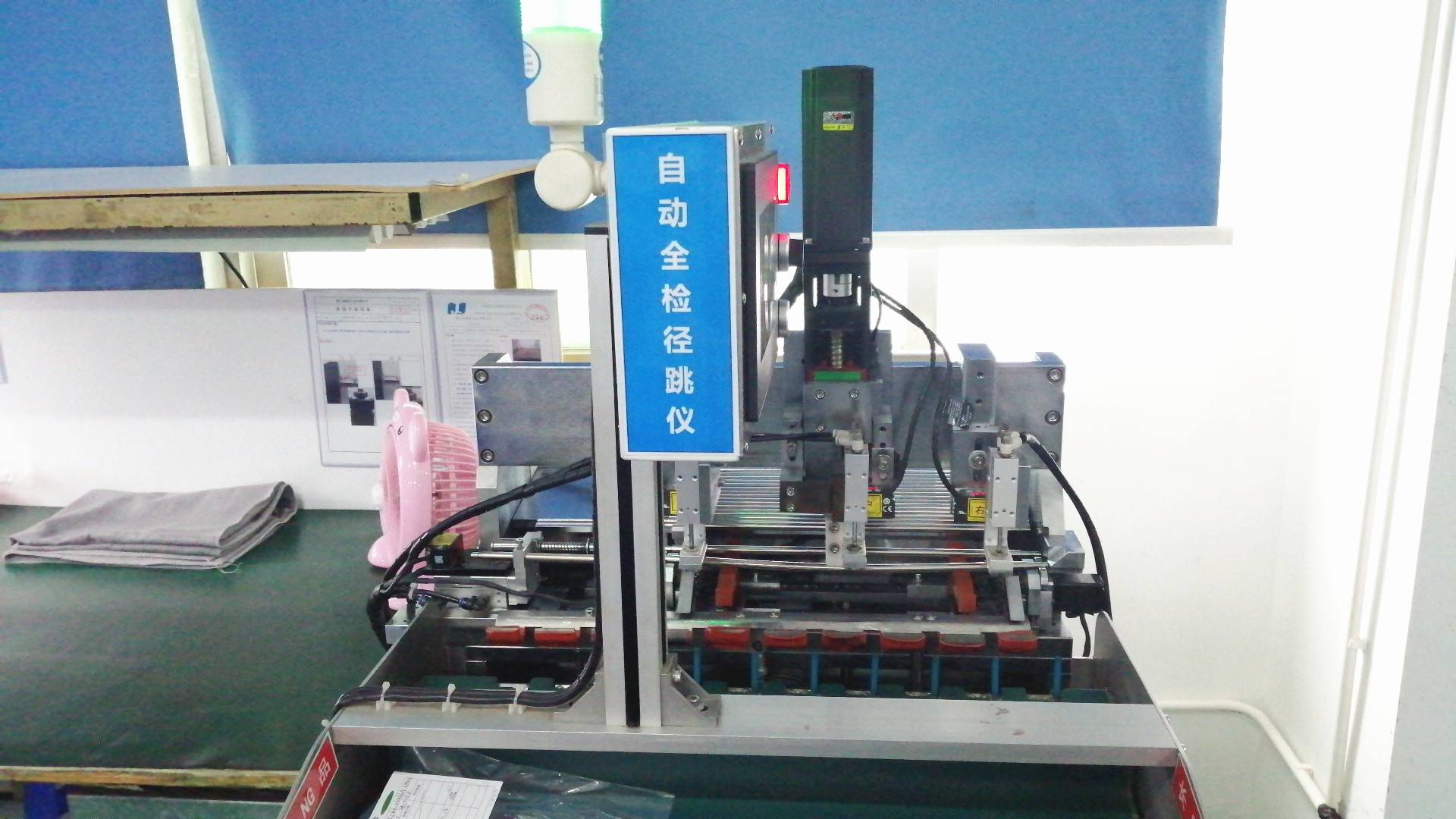
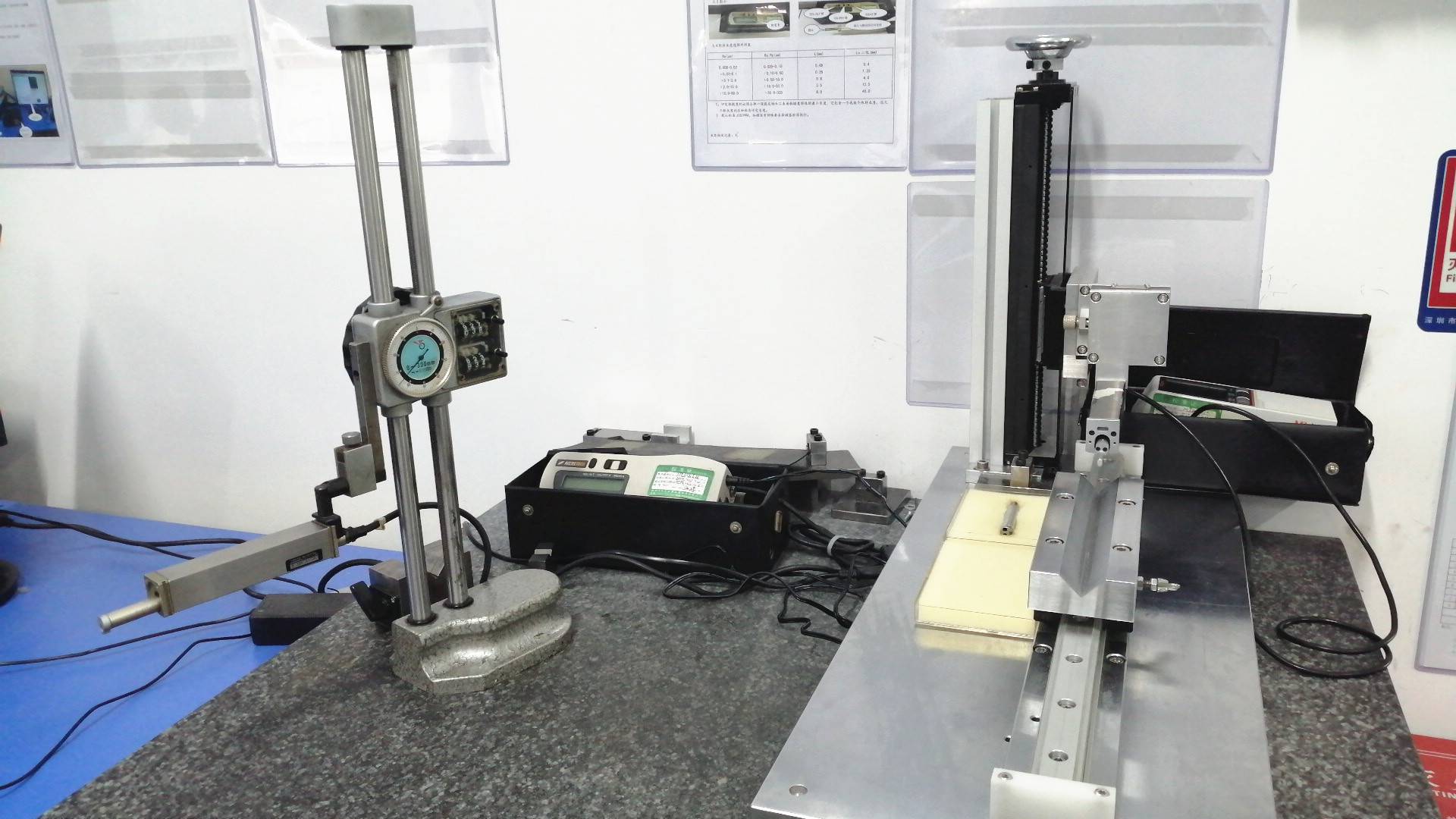
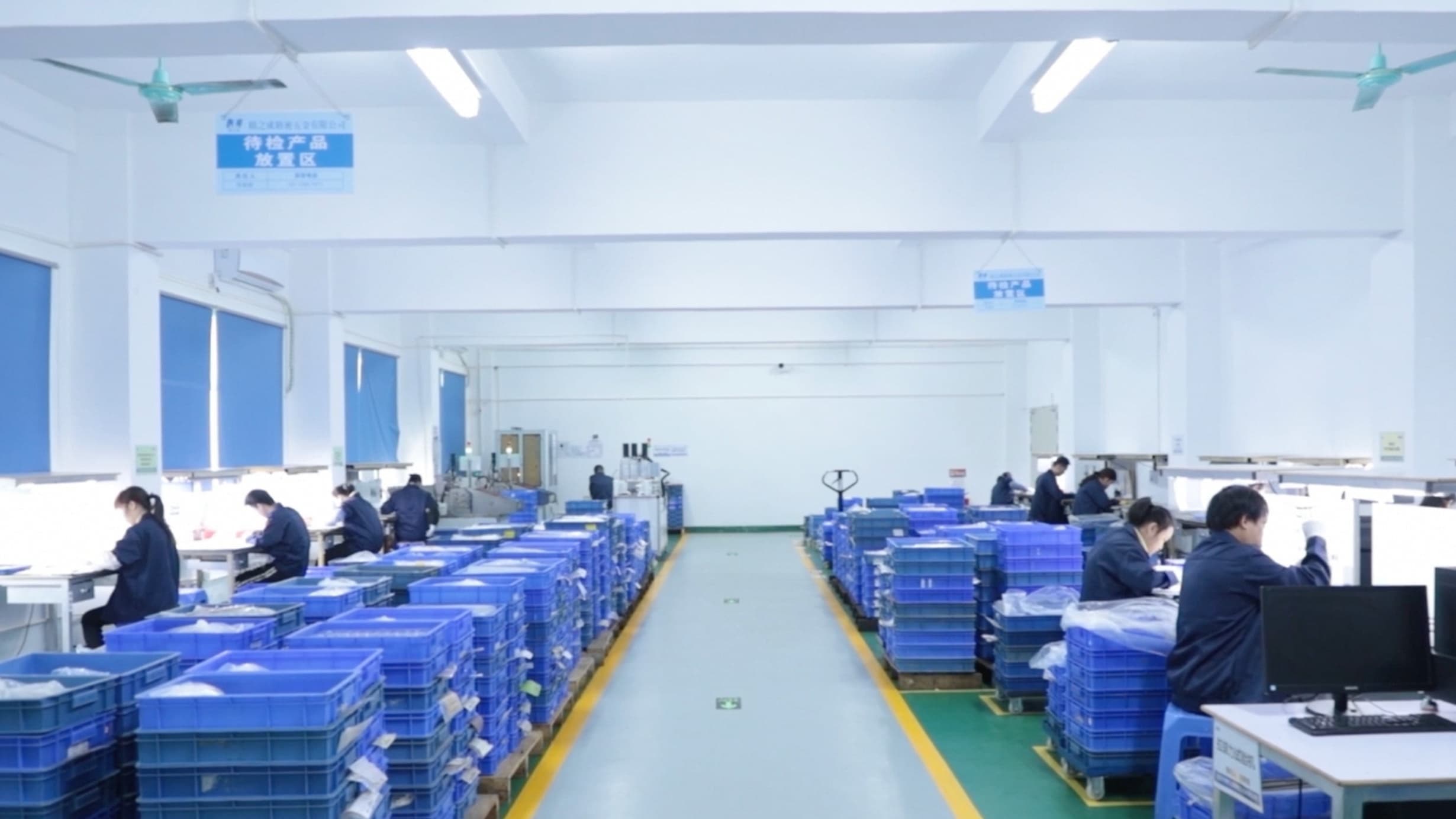
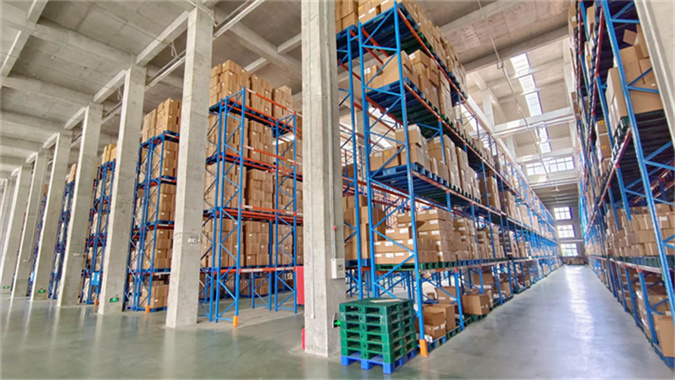
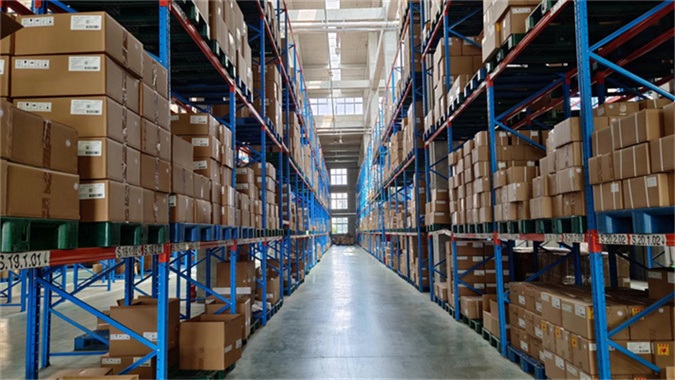
The choice of metals and processing methodologies directly determines clinical safety, osseointegration potential, and long-term fatigue strength.
Modern clinical trials show that titanium remains the material of choice for internal fixation due to its low elastic modulus, which is closer to human cortical bone than stainless steel. This property minimizes the "stress shielding" effect, preventing subsequent localized osteoporosis.
| Implant Parameter | Technical Specification Details | Clinical Rationale for Surgeons |
|---|---|---|
| Base Material | Titanium Alloy Ti-6Al-4V ELI (Grade 5, ASTM F136) | High biocompatibility, superior fatigue life, and corrosion resistance in physiological environments. |
| Surface Hardening | Type II Anodization (Grey & Color Coding) | Reduces friction, minimizes cold welding between screws and plate, and simplifies intraoperative component sizing. |
| Screw-Plate Interaction | Combic-Holes (Dynamic Compression + Fixed-Angle Locking) | Allows the surgeon to apply primary dynamic compression before establishing rigid fixed-angle stability. |
| Screw Multi-Angulation | Variable-Angle Locking (VA-LCP) up to ±15° | Simplifies fixation of multi-fragmentary periarticular fractures in complex structural topologies. |
| Plate Profile | Anatomically pre-contoured, low-profile designs | Reduces soft tissue irritation and eliminates the need for intraoperative plate contouring. |
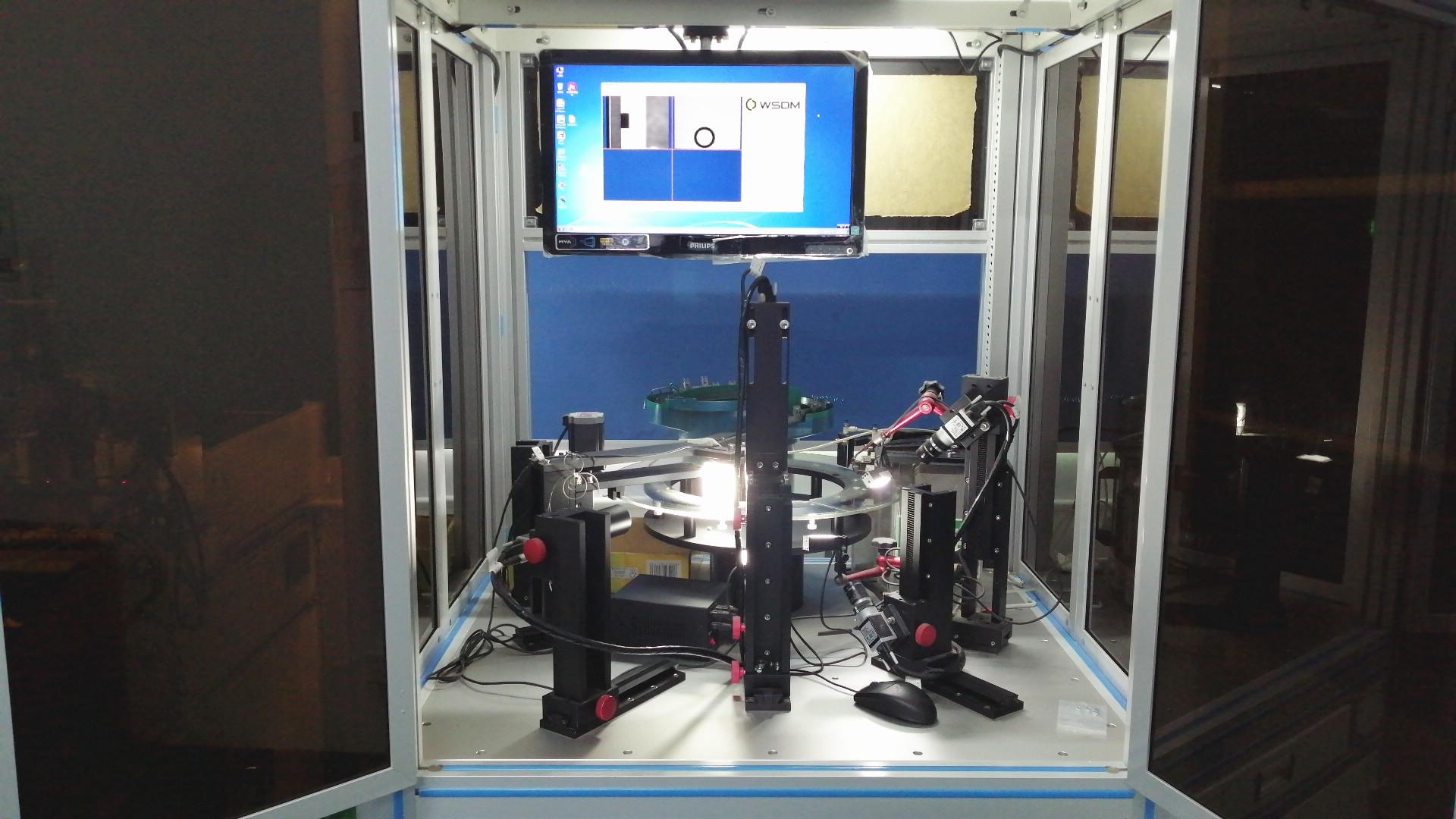
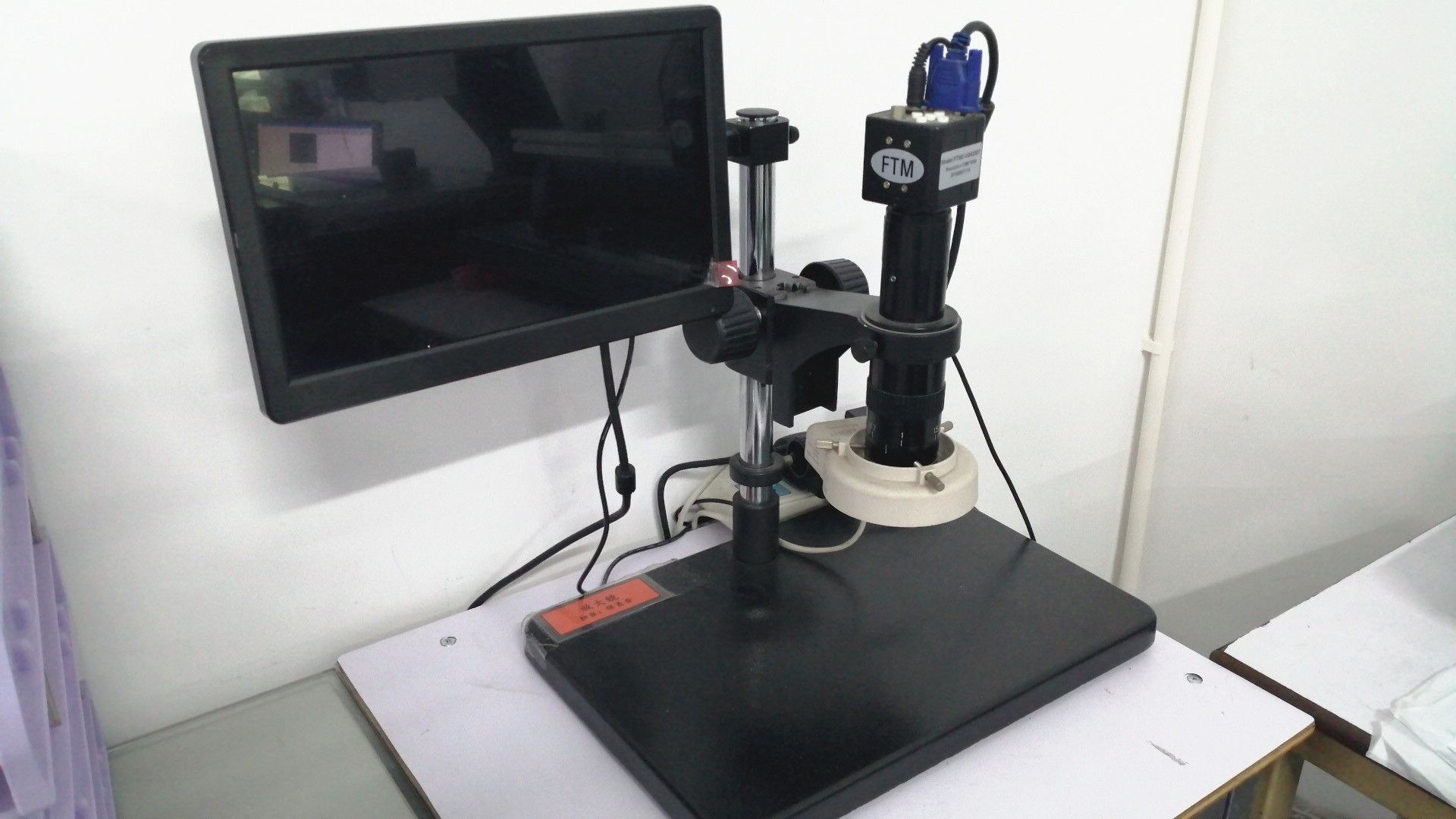
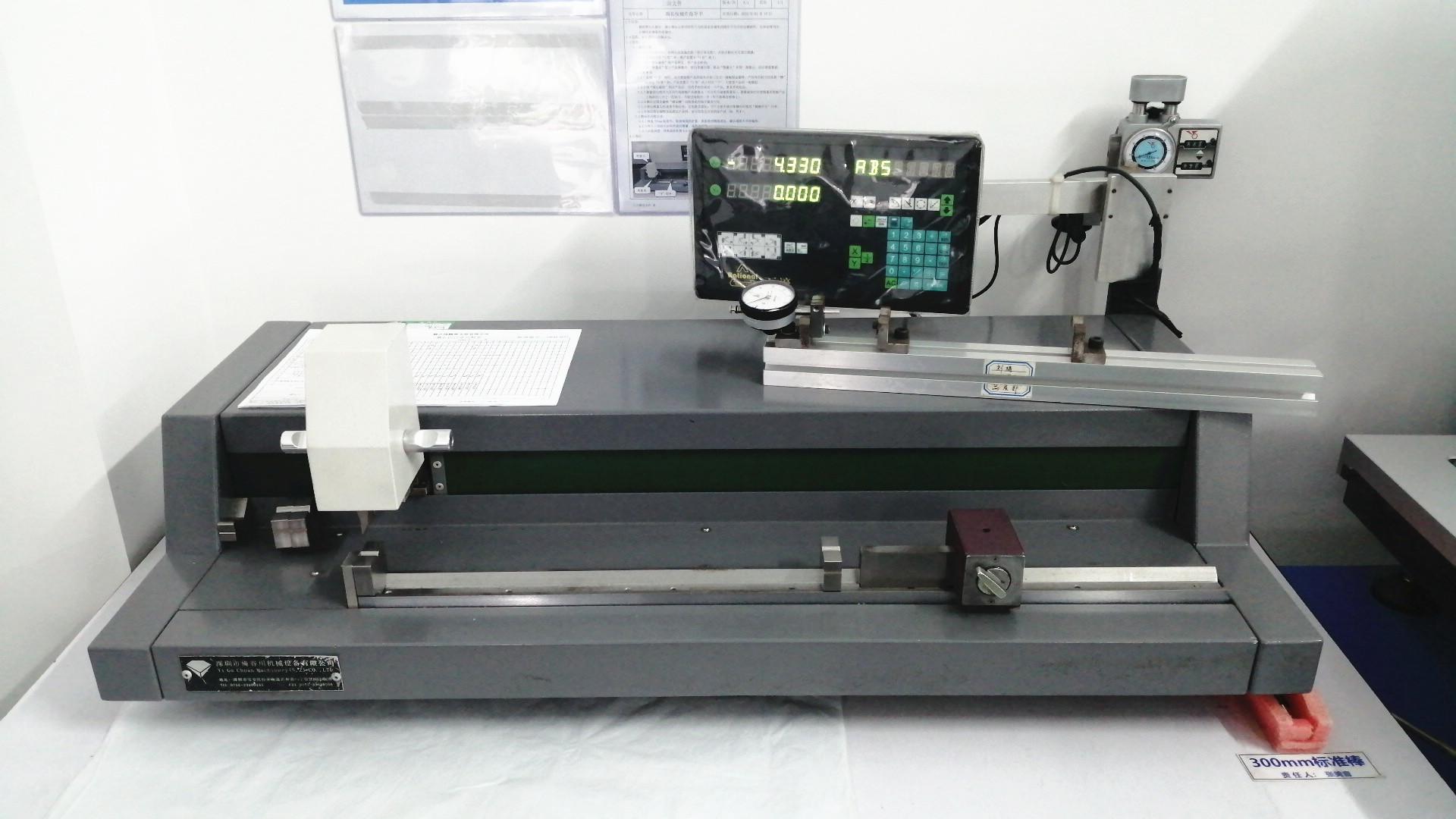
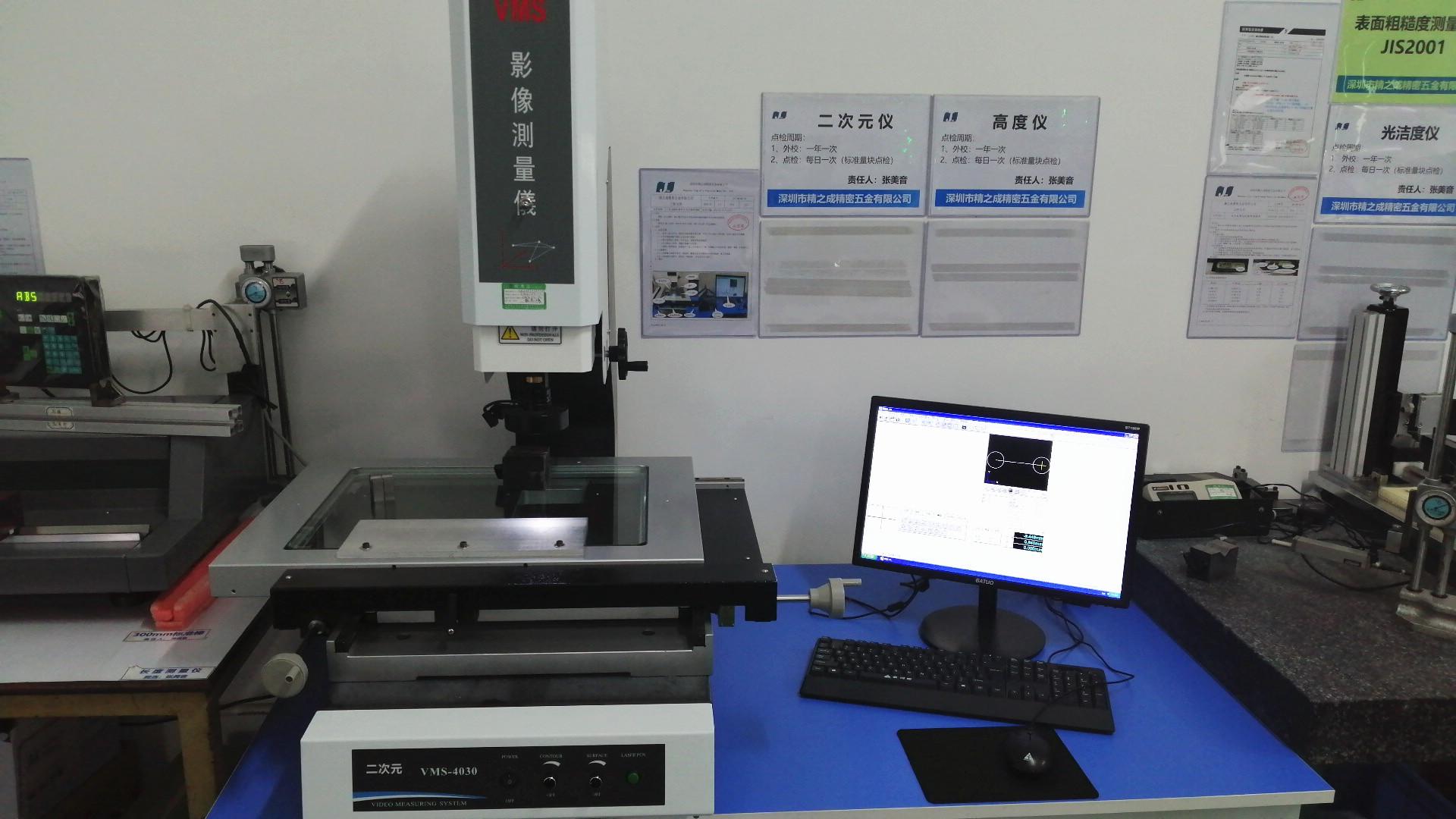
Using specialized machinery like our Surface Finish Measuring Instrument and CCD Test Devices, we guarantee that the surface roughness (Ra) of all plates is kept well below 0.4 μm. This flat profile prevents bacterial adhesion (e.g., *Staphylococcus aureus* or *Staphylococcus epidermidis*) and limits biofilm formation, lowering the incidence of post-operative implant-related osteomyelitis.
Streamlined medical device procurement channels optimized for Genoa's shipping terminals and European regulatory standards.
All medical shipments destined for Italy must strictly comply with the European Union Medical Device Regulation (EU) 2017/745 (MDR). Our internal quality control systems ensure technical documentation, UDI (Unique Device Identification) serialization, EUDAMED registration protocols, and complete biocompatibility summaries are readily accessible.
Operating as Italy's largest maritime port, the Port of Genoa (Porto di Genova) provides efficient sea freight options for large OEM and custom orthopedic inventory shipments. For urgent clinical trauma supplies, we utilize fast-tracked air transport networks routing through Milan Malpensa (MXP) or Genoa Cristoforo Colombo Airport (GOA).
Our locking plates can be delivered in non-sterile or pre-sterile formats (using Gamma irradiation or Ethylene Oxide gas). Double-sterile packaging retains its biological barrier integrity throughout multi-modal transport routes, ensuring products arrive in perfect condition at local clinics.
Anatomical, locking trauma solutions for upper limb, lower limb, and thoracic wall stabilization.
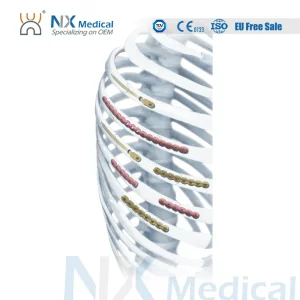
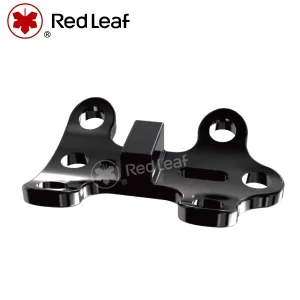
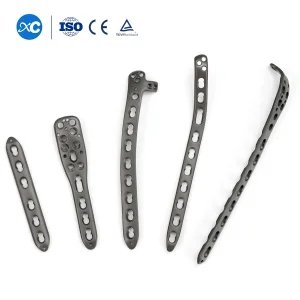
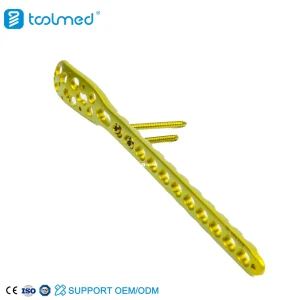
Key compliance, material science, and supply chain queries answered for surgical buyers and distributors in Genoa.
Yes. All of our locking plates, anatomical trauma systems, and associated cortical/locking screws conform to the regulatory mandates of the European Union Medical Device Regulation (EU MDR 2017/745). We maintain ISO 13485 certification across our manufacturing units and can supply technical dossiers, biocompatibility data (ISO 10993), and clinical evaluation reports required by sanitary purchasing divisions in Italy.
Our Type II anodization creates a dense, chemically inert titanium oxide layer. This increases surface hardness, reduces micro-motion wear, and prevents cold welding (galling) of the locking screw inside the plate thread. Additionally, anodized color-coding simplifies intraoperative identification of plates and screw sizes in busy operating theaters, such as those at Genoa's Ospedale Policlinico San Martino.
We work closely with university research centers and clinical units to offer custom design solutions. We utilize CAD models, finite element analysis (FEA), and 3D printing (additive manufacturing in Ti-6Al-4V) to produce patient-specific implants. These are especially valuable for revision surgeries, complex oncological reconstructions, and pediatric deformities managed by pediatric orthopedic specialists at the Gaslini Institute.
Large stock shipments are routinely routed to the Port of Genoa with average ocean transit windows of 28 to 35 days. For urgent clinical trauma replenishment or trial inventory runs, air freight takes approximately 5 to 7 business days from dispatch to delivery in Genoa. We provide complete commercial documentation, packing lists, and certificates of conformity to ensure rapid clearance at Italian customs borders.
Every design profile undergoes strict static and dynamic fatigue verification (in accordance with ASTM F382 standards for bone plates). We utilize our advanced laboratory equipment, including Radial Jump Meters, Precision Salt Spraying Testers (to evaluate oxidation resistance), and CCD Test Devices, to verify that every plate-screw construct can withstand physiological loads during the normal 6-to-12 week fracture consolidation phase.
 Weed Orthopedic Implants