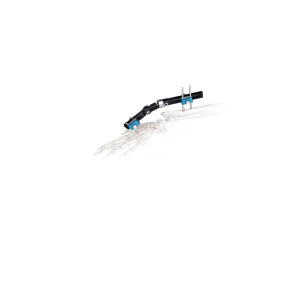
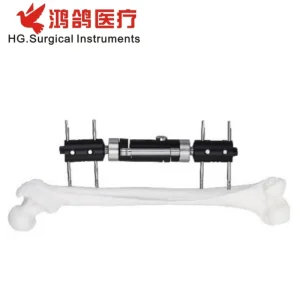
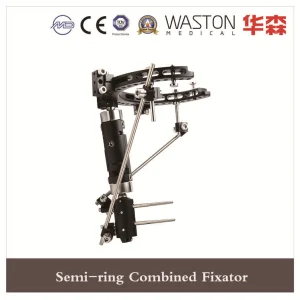
The surgical landscape of Western Australia—specifically centered in the metropolitan hub of Perth—demands orthopedic stabilization devices that meet the highest thresholds of mechanical integrity, materials science, and deployment speed. As the geographical center of Western Australian tertiary healthcare, major medical centers such as Royal Perth Hospital (RPH), Fiona Stanley Hospital, and Sir Charles Gairdner Hospital manage complex polytrauma cases generated by massive regional mining operations, high-speed highway accidents, and extreme sporting incidents.
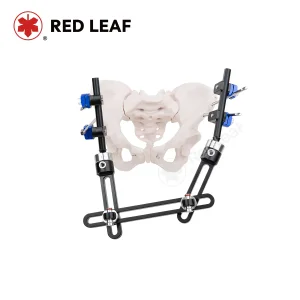
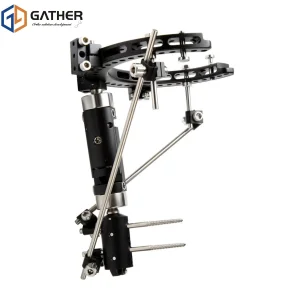
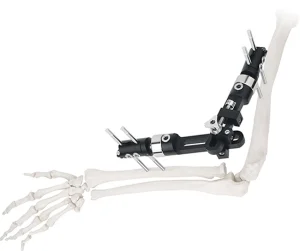
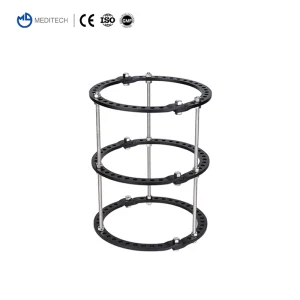
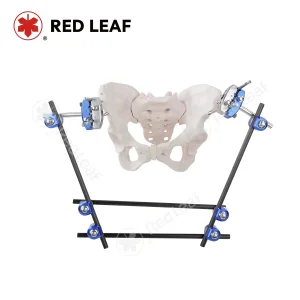
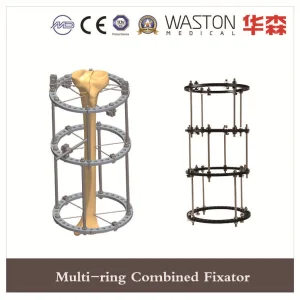
In these acute settings, temporary or definitive stabilization of open fractures, non-unions, and pelvic disruptions represents a critical clinical phase. Linear external fixators are indispensable tools, bridging the gap between immediate damage control surgery and eventual definitive internal fixation. The biomechanical demands of these devices require high-strength materials (titanium and aircraft-grade aluminum alloy) to achieve stabilization without adding undue weight—a factor crucial for aeromedical evacuation teams like the Royal Flying Doctor Service (RFDS) operating across the state.

Engineered for high mechanical loads, swift alignment, and biological integration in acute orthopedic emergencies.
The global external fixation device market is experiencing significant transformation, driven by an aging demographic prone to fragility fractures and a rise in traffic-related poly-traumatology. Modern clinical paradigms dictate a shift from heavy, rigid steel fixators to modular, carbon-fiber composite materials and titanium alloys. Clinicians are seeking devices that balance load-bearing strength with biological compliance, minimizing "stress shielding" and promoting natural callotasis and osteogenesis.
In Australia, and specifically Western Australia, healthcare economics push hospitals to balance high patient outcomes with budget management. Our linear and hybrid external fixation solutions resolve this challenge by matching or exceeding the biomechanical performance of traditional Tier-1 brands while delivering clear pricing advantages. This direct-to-hospital and direct-to-distributor exporting model addresses the financial bottlenecks currently faced by private and public hospital networks.
The application of our external fixators in Western Australia targets three distinct clinical environments:
Established in 2015, Shenzhen Weed Medical Apparatus Co., Ltd. has established itself as an innovator in orthopedic consumables. We maintain deep technological and clinical partnerships with leading research institutions, universities, and clinical staff to deliver solutions that address real-world surgical challenges.
Our diverse portfolio includes bio-absorbable fixation materials, shape memory alloys, 3D-printed custom orthopedic implants, and high-tensile modular external fixators. Our products are actively utilized in over 200 hospitals across Sichuan Province and exported to more than 30 countries and regions worldwide, confirming our commitment to global clinical standards and supply reliability.
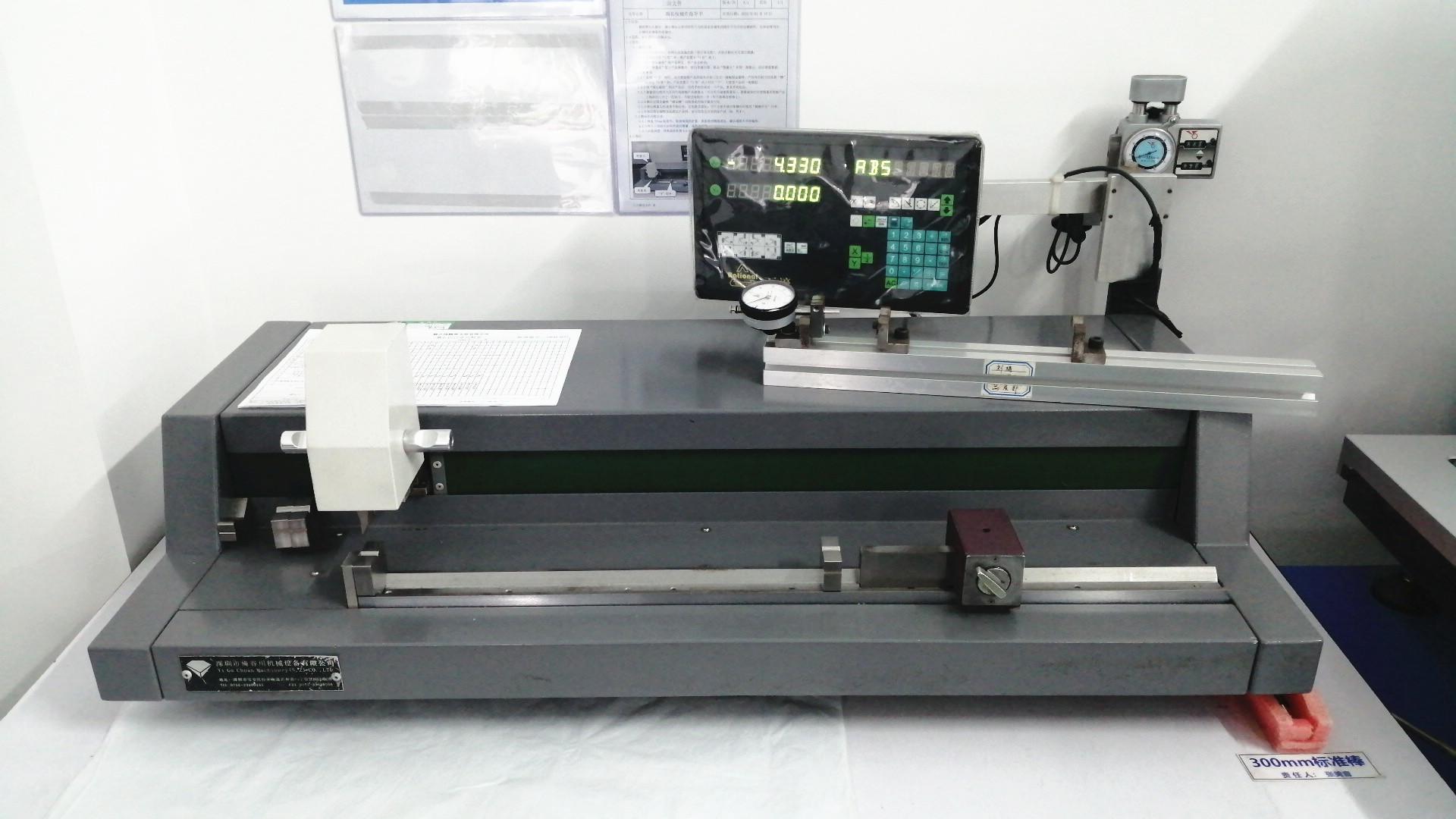
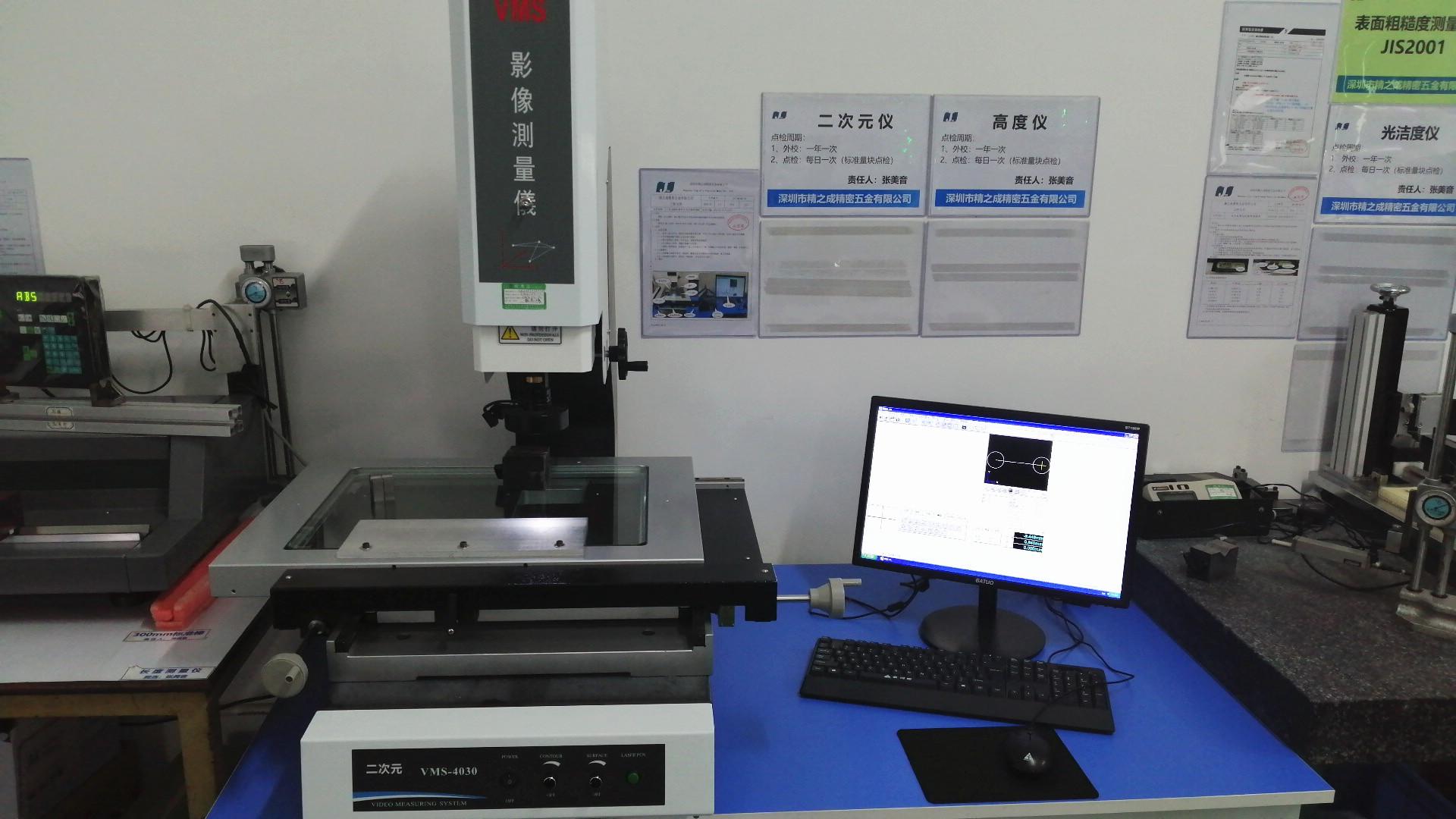
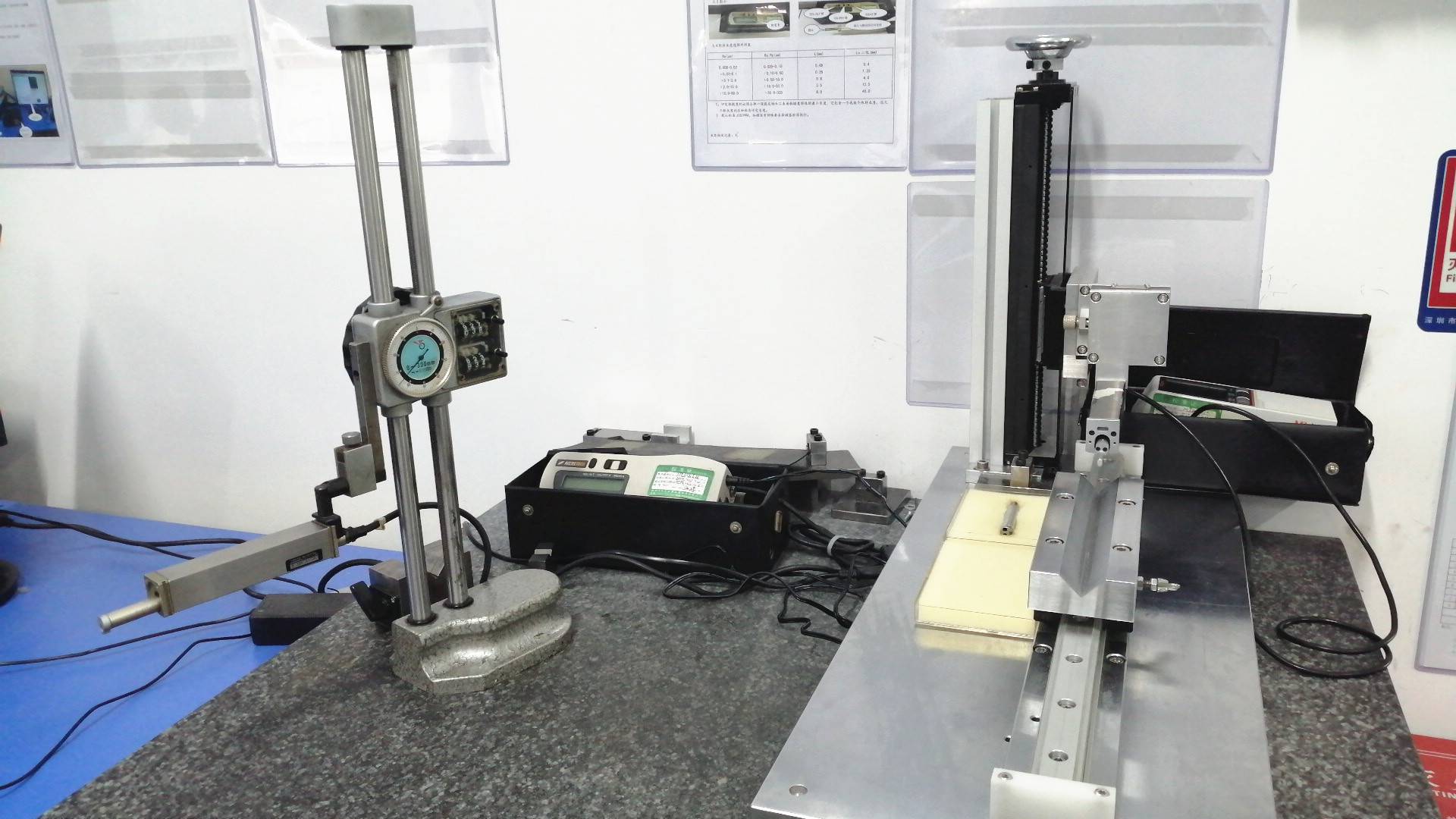
Our commitment to clinical reliability is backed by a state-of-the-art metrology lab. Every batch undergoes extensive mechanical, chemical, and physical verification to ensure safety under stress.
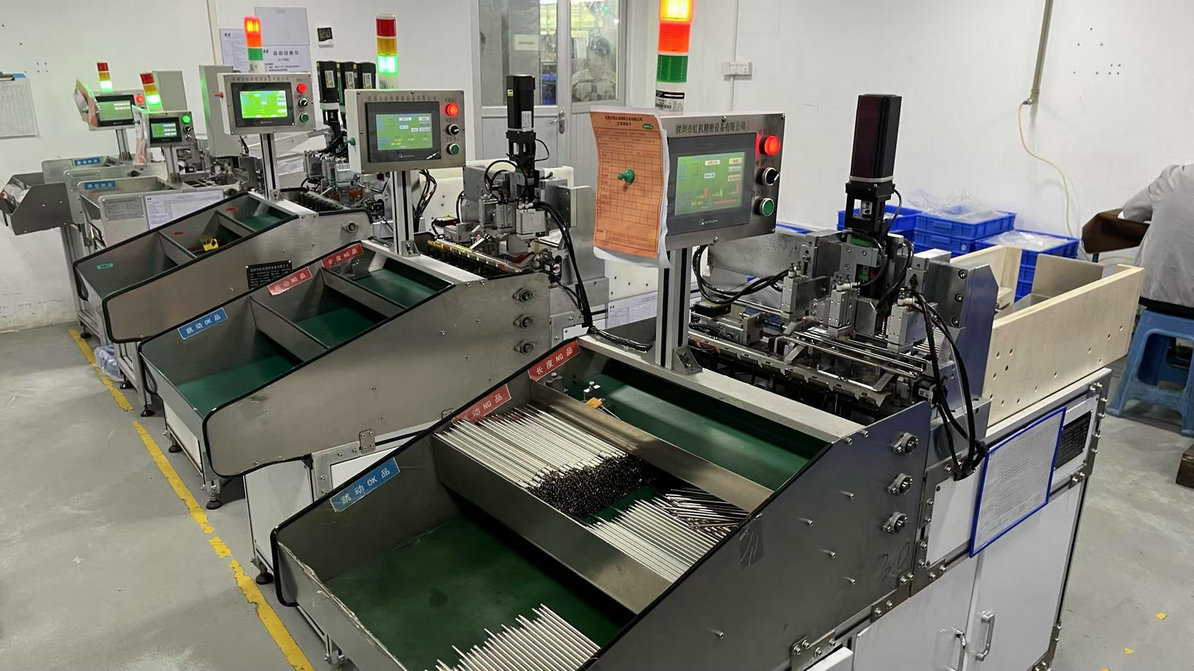
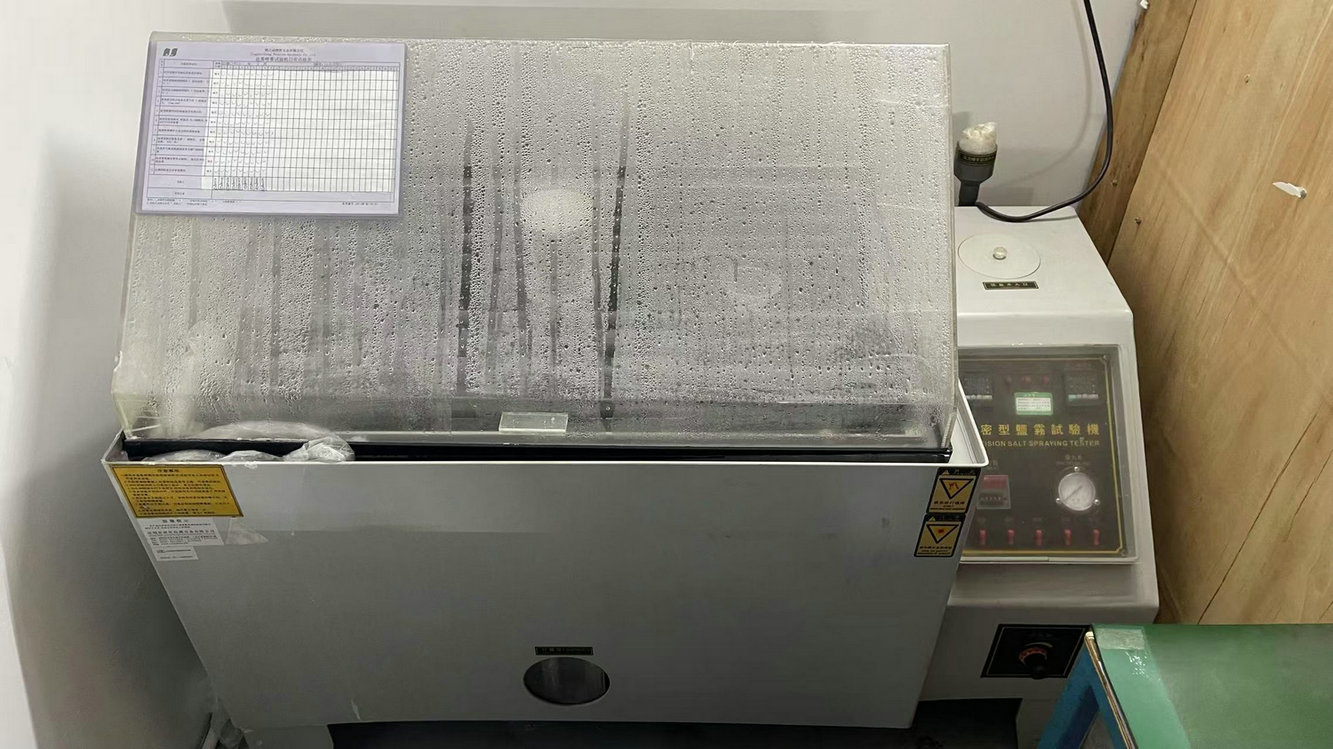
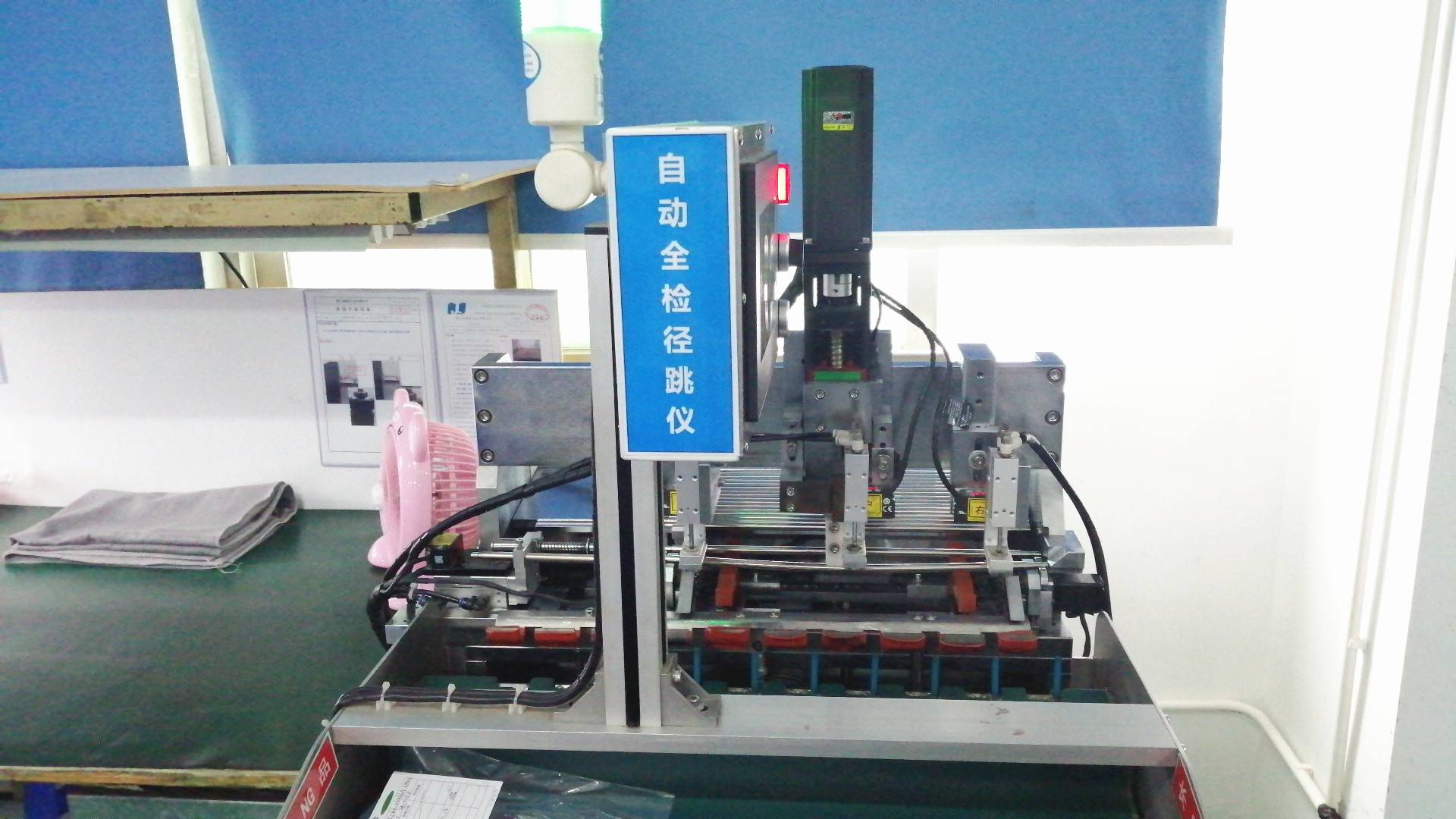
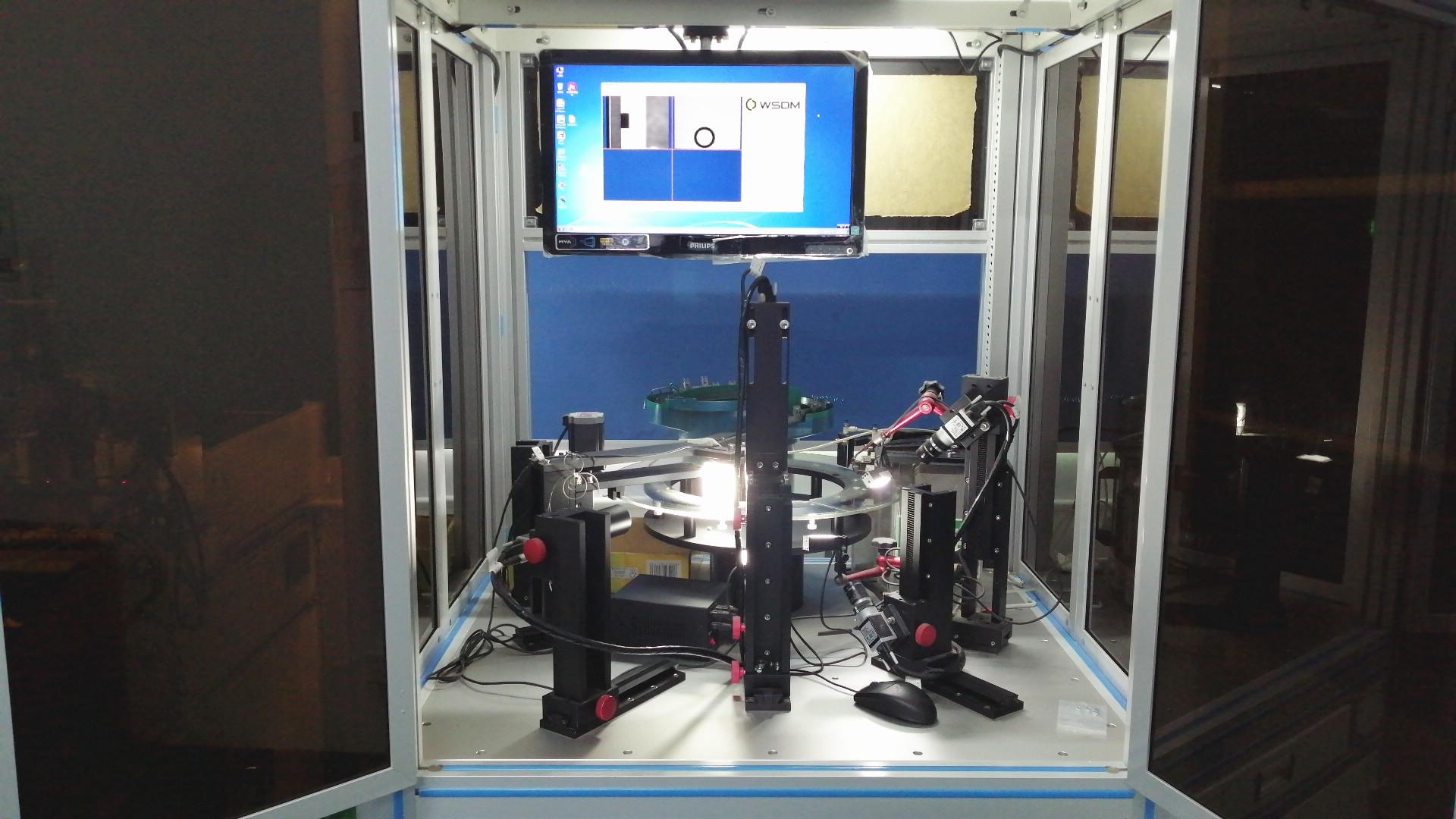
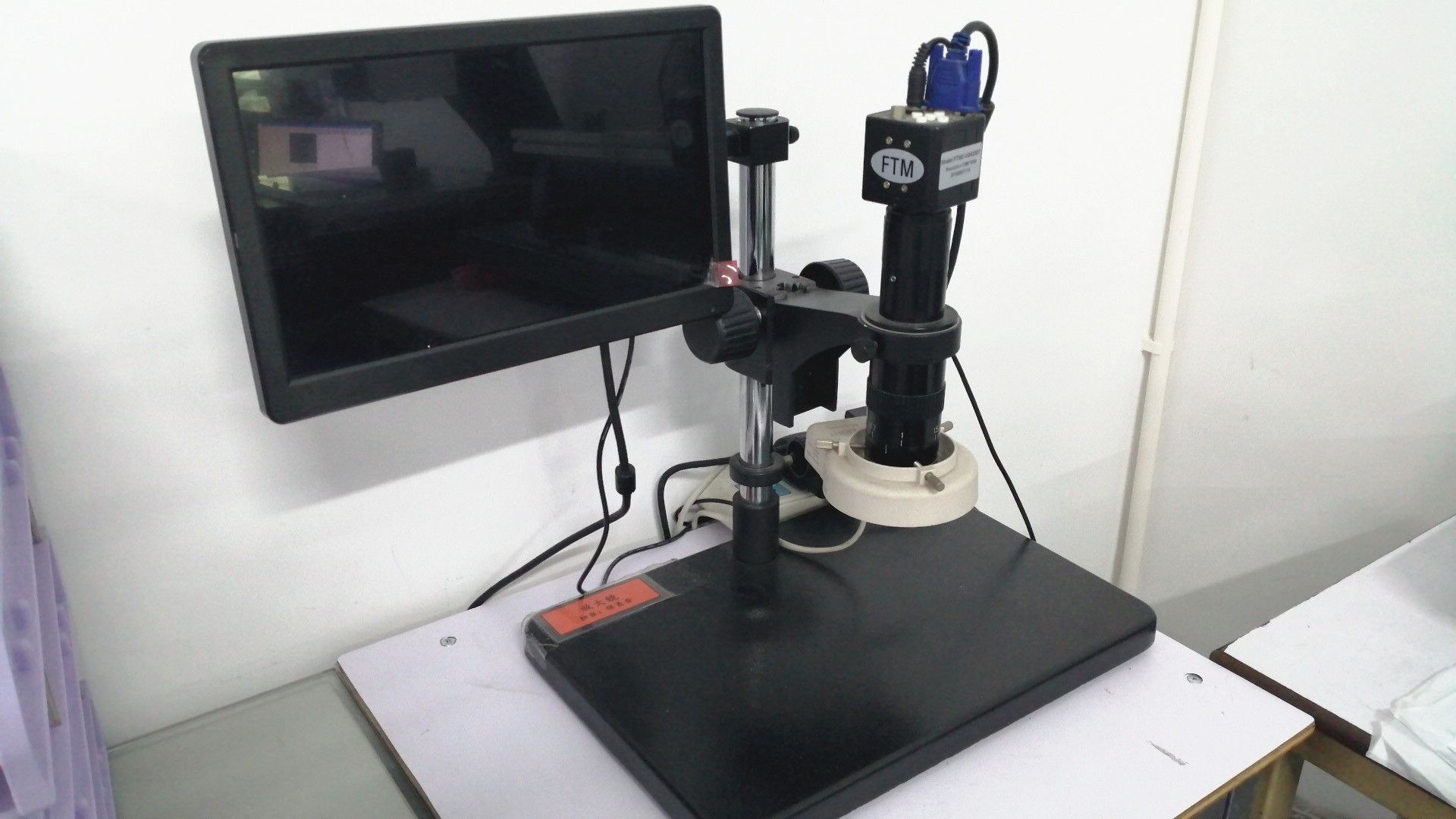
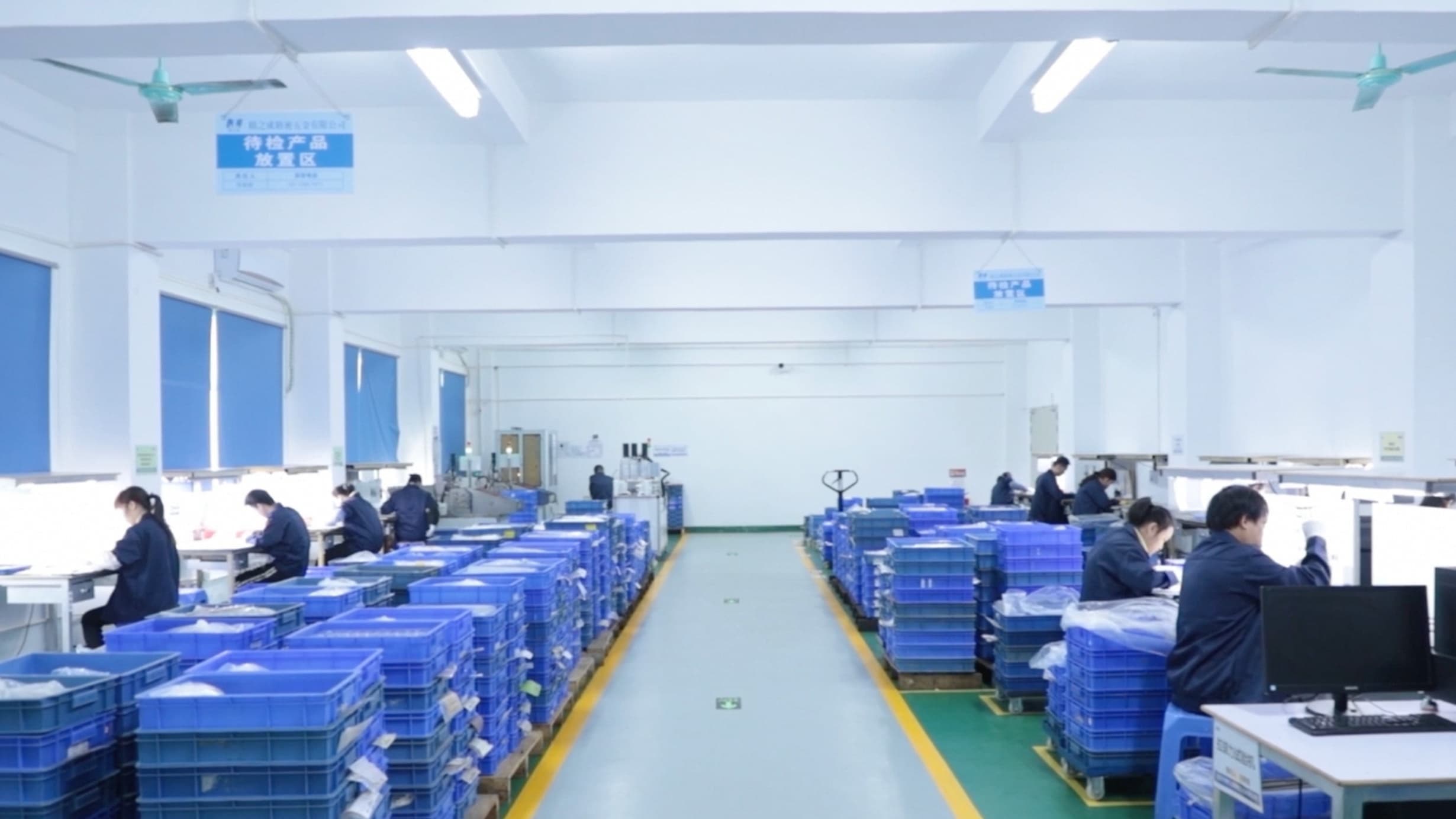
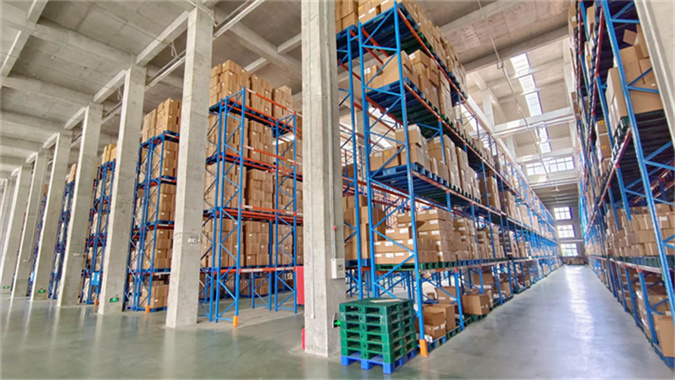
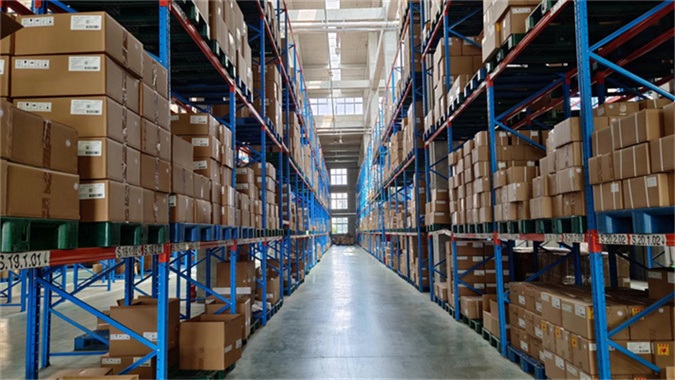
In the medical device industry, supply chain disruption can compromise hospital capacity and patient safety. Shenzhen Weed Medical leverages the advanced industrial base of China's medical technology corridor to provide resilient manufacturing. By consolidating raw material selection (medical-grade titanium, aluminum alloys, and high-performance carbon fiber), CNC machining, anodization, and class-10,000 cleanroom packaging in one hub, we control quality and delivery timelines.
Our production models are highly responsive. Unlike fragmented supply chains that struggle with customized requests, we can rapidly implement changes in rod lengths, pin thread pitches, or clamp configurations to meet the specific requirements of Australian hospitals.
Key Advantages Include:
Comprehensive orthopedic range for trauma surgery, limb reconstruction, and pediatric corrections.
Preserving specialized links for specific micro-reconstructive and dynamic clinical needs.
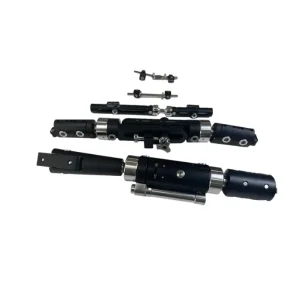
As external fixation design advances, our engineering focus remains on reducing surgeon assembly times and improving long-term tissue responses. Our product development pipeline is concentrated in three main areas:
For hospitals and distributors in Perth, navigating TGA (Therapeutic Goods Administration) requirements is a key commercial parameter. Shenzhen Weed Medical operates in conformity with ISO 13485 quality systems. We provide technical support dossiers to help sponsors register products and maintain clinical compliance under Australian medical device guidelines.
Our devices undergo rigorous bio-burden and sterility validation processes (gamma irradiation or ethylene oxide sterilization). Certificates of Conformity and traceability documentation are provided with every batch, ensuring compliance with Australian standards.
Download Regulatory PortfolioAddressing the common questions raised by orthopedic surgeons, clinical nurses, and hospital procurement coordinators in Western Australia.
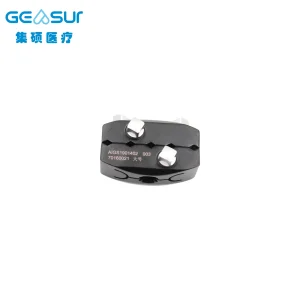
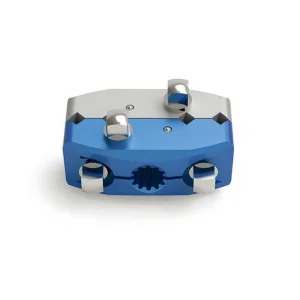
Patients in remote Western Australia often require aeromedical evacuation over thousands of kilometers. Under high vibrations and cabin pressure changes, structural integrity of the frame is critical. Our fixators utilize high-grade aluminum alloy and titanium rods that provide high bending stiffness-to-weight ratios. The clamp-to-rod junctions feature machined micro-teeth that prevent rotational slip under mechanical loads, ensuring stability during transit.
Pin-track infection is a common challenge in external fixation. Our pins are manufactured from high-grade implant alloys with precision thread geometries to minimize bone thermal necrosis during insertion. The smooth polished shaft surface prevents soft tissue attachment and biological debris accumulation, easing cleaning and reducing bacterial colonization.
Yes, our composite carbon fiber and titanium components are radiolucent, minimizing artifact scattering during CT and MRI scanning. This allows surgeons to verify fracture reduction and bone healing without needing to disassemble the primary frame.
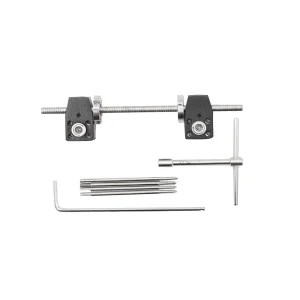
Our quality infrastructure includes 3D metrological coordinate systems, two-dimensional projectors, precision salt spray chambers for corrosion testing, and automated optical CCD checks. These protocols ensure every pin, clamp, and rod fits within micrometer tolerances, preventing intraoperative assembly issues.
Our location in the Shenzhen-Dongguan medical hardware hub allows us to secure air freight slots to Perth. Standard products ship within 10-15 business days. We offer double-layer medical peel pouches or specialized sterilization cases to maintain sterile barrier integrity during long-distance transit.
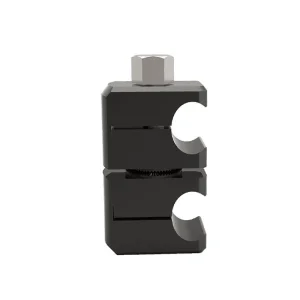
Yes, our coupling systems are built to standard metric configurations (e.g., 4.0mm, 5.0mm, and 6.0mm rod diameters). This allows compatibility with existing modular frame components in hospital inventories, simplifying integration.
Get in touch with our technical sales engineers to discuss custom configurations, material certifications, bulk pricing, and local distribution pathways.
Send Inquiry Now Weed Orthopedic Implants