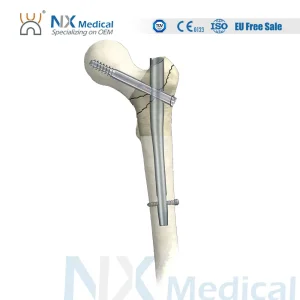
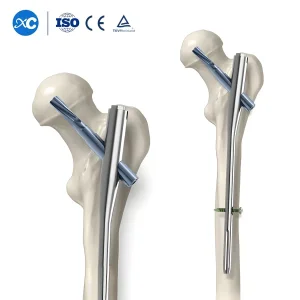
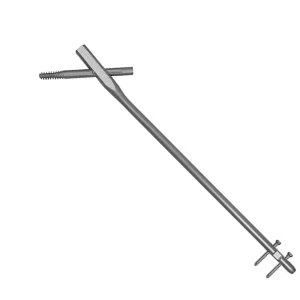
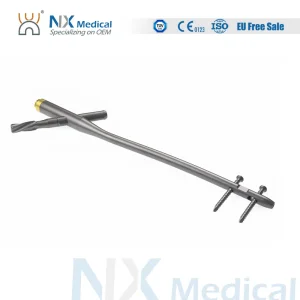
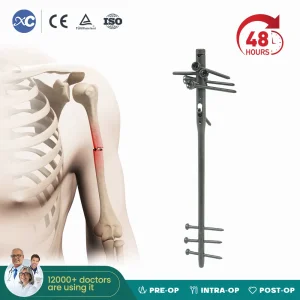
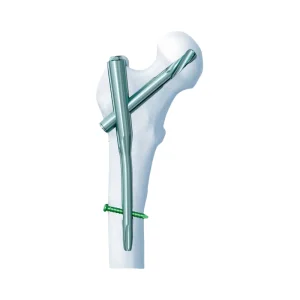
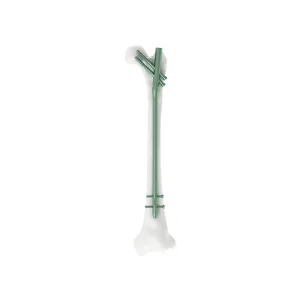
Intramedullary (IM) nails have become the gold standard for the internal fixation of long bone fractures, including the femur, tibia, and humerus. As the global population ages and the incidence of osteoporosis-related fractures rises, the demand for high-performance Intramedullary Nails from reliable factories and suppliers has reached an all-time high. In today's medical landscape, IM nailing is not just about stabilization; it is about early mobilization and minimizing soft tissue damage through minimally invasive techniques.
Technologically, the industry is witnessing a shift from traditional stainless steel to high-strength titanium alloys (Ti-6Al-4V ELI). These materials offer superior biocompatibility and a modulus of elasticity closer to human bone, reducing the risk of "stress shielding." Global procurement teams are increasingly looking for suppliers who can provide CE-certified and ISO-compliant trauma implants that can withstand the rigorous mechanical demands of load-sharing applications.
The future of intramedullary nails lies in the development of "smart" implants that can monitor healing progress or eventually disappear after the bone has fused. While titanium remains dominant, research into magnesium-based biodegradable alloys is gaining momentum.
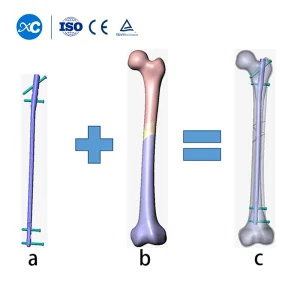
Customization is the new frontier. Factories are now utilizing 3D printing technologies to create patient-specific intramedullary guides and nails that match the unique curvature of a patient's medullary canal, especially in complex reconstructive cases.
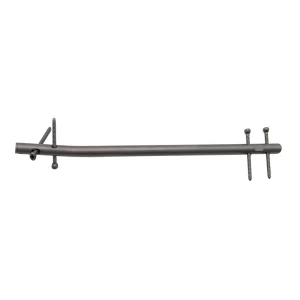
Modern suppliers are focused on multi-directional locking options. These allow for better stability in multi-fragmentary fractures or fractures located near the joints (metaphyseal regions), where traditional nails often struggled to gain adequate purchase.
China has evolved from a mass-production hub to a center of high-end medical innovation. Companies like Shenzhen Weed Medical Apparatus Co., Ltd. represent the pinnacle of this evolution. By sourcing directly from a Chinese factory, global distributors and hospitals benefit from:
Our deep collaboration with university professors and frontline clinical staff ensures that every nail we produce is not just a piece of metal, but a clinically validated solution to surgical challenges.

Shenzhen Weed Medical Apparatus Co., Ltd., established in 2015, primarily engages in the sales of medical devices and maintains in-depth business and technical cooperation with leading domestic and international consumable manufacturers. Most of its products boast technology and materials superior to industry standards.
The company's business is divided into direct sales and distribution. Its products include absorbable materials, shape memory alloys, 3D-printed orthopedic consumables, external fixators, and other major surgical consumables. These products are used by over 200 hospitals in Sichuan Province. The company enjoys a good reputation among peers and medical institutions.
The company collaborates closely with professors, universities, and frontline clinical staff in domestic hospitals. Sales are the company's cash cow. During the sales process, the company consistently focuses on the technological contributions and shortcomings of its products to the industry. The company's technical and sales personnel always pay attention to the user needs, opinions, and suggestions during clinical use. The company's technical department collaborates with hospital experts, university professors, frontline users, and manufacturers to develop solutions to common problems.
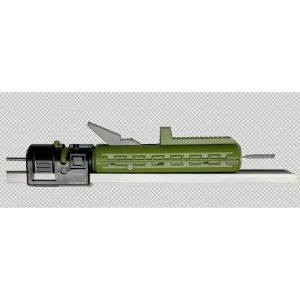
Whether it is a Tier-1 trauma center in Europe or a community clinic in Southeast Asia, the requirement for localized support and specialized inventory is crucial. Intramedullary nails must be available in various lengths, diameters, and curvatures (radius of curvature) to suit different ethnicities and body types. Our factory provides comprehensive "instrumentation sets" that accompany the implants, ensuring surgeons have the precise reamers, guides, and locking drivers needed for a successful surgery.
Choosing the right Intramedullary Nail Factory involves understanding the material science behind the implants. Standard stainless steel (316L) was historically favored for its rigidity. However, modern orthopedic surgery prefers Titanium and its alloys. Titanium's ability to osseointegrate—where the bone actually grows close to the implant surface—provides long-term stability that steel cannot match. Furthermore, titanium's non-ferromagnetic properties allow patients to safely undergo MRI scans post-surgery.
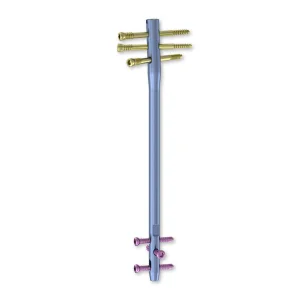
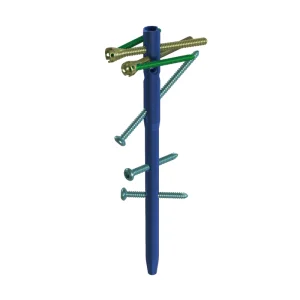
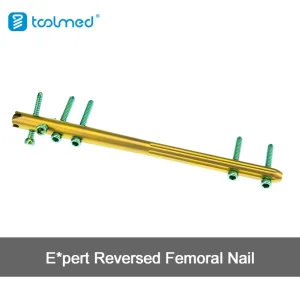
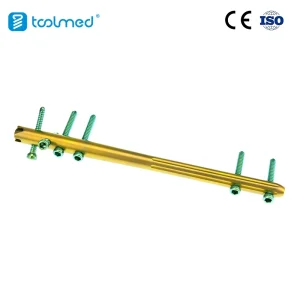
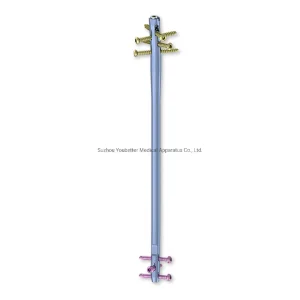
Our nails undergo specialized surface treatments, such as anodic oxidation, which enhances corrosion resistance and color-codes the implants for easier identification during surgery (e.g., Blue, Green, and Gold colors as seen in our product line). This color-coding is not just aesthetic; it reduces surgical errors by allowing the scrub nurse and surgeon to quickly identify the correct size and side (Left vs. Right).
Unlike plates and screws, which are "load-bearing" and take all the stress off the bone (potentially leading to bone weakening), intramedullary nails are "load-sharing." They sit in the center of the bone, allowing some stress to be transmitted to the bone itself. This physiological loading actually stimulates bone healing (Wolff’s Law), leading to faster recovery times and stronger callus formation at the fracture site.
As a specialized supplier and factory, we understand the stakes of orthopedic surgery. Our mission is to provide global healthcare providers with intramedullary nails that combine technical excellence with cost-effective manufacturing. From our 14 patents to our presence in over 200 hospitals, we are committed to advancing the science of fracture fixation. Contact our technical department today to discuss your procurement needs or custom OEM requirements.
 Weed Orthopedic Implants