Explore our flagship medical device innovations engineered to meet stringent clinical standards worldwide.
Shenzhen Weed Medical Apparatus Co., Ltd. (operating in strategic partnership with Sichuan Heshun Micro-invasive Technology Co., Ltd. / 四川合顺微创科技有限公司), established in 2015, stands at the forefront of advanced medical device manufacturing and surgical consumable development in China. We specialize in high-precision tissue expanders, absorbable polymer matrices, shape memory alloy systems, 3D-printed custom orthopedic implants, and complex external fixation systems.
Driven by rigorous scientific research and continuous bedside feedback, our enterprise maintains dual operational capabilities: a high-efficiency direct sales structure and an expansive international B2B OEM/ODM distribution network. Our medical devices are currently deployed across more than 200 tertiary-A medical institutions in Sichuan Province alone, while our export footprint encompasses over 30 countries and regions across North America, Europe, the Middle East, and Southeast Asia.

Comprehensive market intelligence for hospital procurement officers, medical device distributors, and reconstructive surgery leads.
The global surge in two-stage breast reconstruction procedures requires ultra-reliable tissue expanders featuring magnetic valve identification, smooth-to-textured outer shells, and anatomical profile variations. Global tenders emphasize low revision rates and biocompatibility.
Severe burn contracture releases and congenital defect corrections require custom-shaped tissue expanders (rectangular, crescent, round) that deliver uniform mechanical stretching without compromising underlying neurovascular tissue viability.
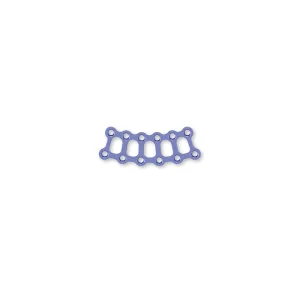
Micro-volume tissue expanders combined with titanium maxillofacial straight bridge plates enable delicate facial bone and soft-tissue expansion prior to complex oncological tissue flap transfers or revision surgeries.
| Modality / Technology | Biomechanical Principle | Complication Rate | Patient Compliance | Clinical Application Scope |
|---|---|---|---|---|
| Controlled mechanical stretch triggering mechanical signal transduction & cellular mitosis | Very Low (<2.1%) with micro-textured shell | High (Outpatient serial saline injections) | Breast, Scalp, Extremity Trauma, Burn Scar Revision | |
| Osmotic absorption of body fluids driven by hydrophilic polymer core | Moderate (Less volume control precision) | Very High (No repeated needle punctures) | Small pediatrics, subtle skin defects | |
| Surgical micro-vascular transplantation of skin and fat tissue | High donor site morbidity risk | Low initial tolerance (Major surgery) | Large total volume reconstruction post-radiation | |
| Transfixation pin traction applied across wound margins | Moderate (Pin-tract infection risks) | Moderate | Lower extremity acute fasciotomy closing & bone lengthenings |
How Shenzhen Weed Medical drives material science, structural engineering, and clinical safety forward.
Our tissue expanders utilize high-durometer, implant-grade polydimethylsiloxane (PDMS). The multi-layer outer shell structure incorporates a self-sealing barrier layer that prevents cross-shell liquid diffusion and maintains target fill volume over extended expansion periods (6 to 18 months).
Eliminating needle mis-strikes is paramount to avoiding tissue expander deflation. Our proprietary remote and integral injection domes feature ultra-slim rare-earth magnetic arrays readable through 40mm of overlying soft tissue via specialized external non-invasive finders.
Capsular contracture remains the leading cause of construct failure. By applying a controlled micro-textured matrix (pore size 20–50 μm) combined with specialized absorbable non-inflammatory coatings, our expanders encourage physiological fibroblast alignment rather than dense scar ring formation.
Optimization of PDMS shell integrity, ultra-durable titanium ports, and integration with 3D-printed pre-surgical planning models.
Deploying hydrogel-assisted continuous swelling expanders that eliminate manual needle injections for pediatric burn victims.
Embedding micro-sensors inside tissue expander ports to monitor internal fluid pressure, tissue oxygenation, and early infection markers via telemetry.
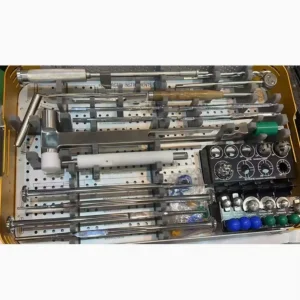
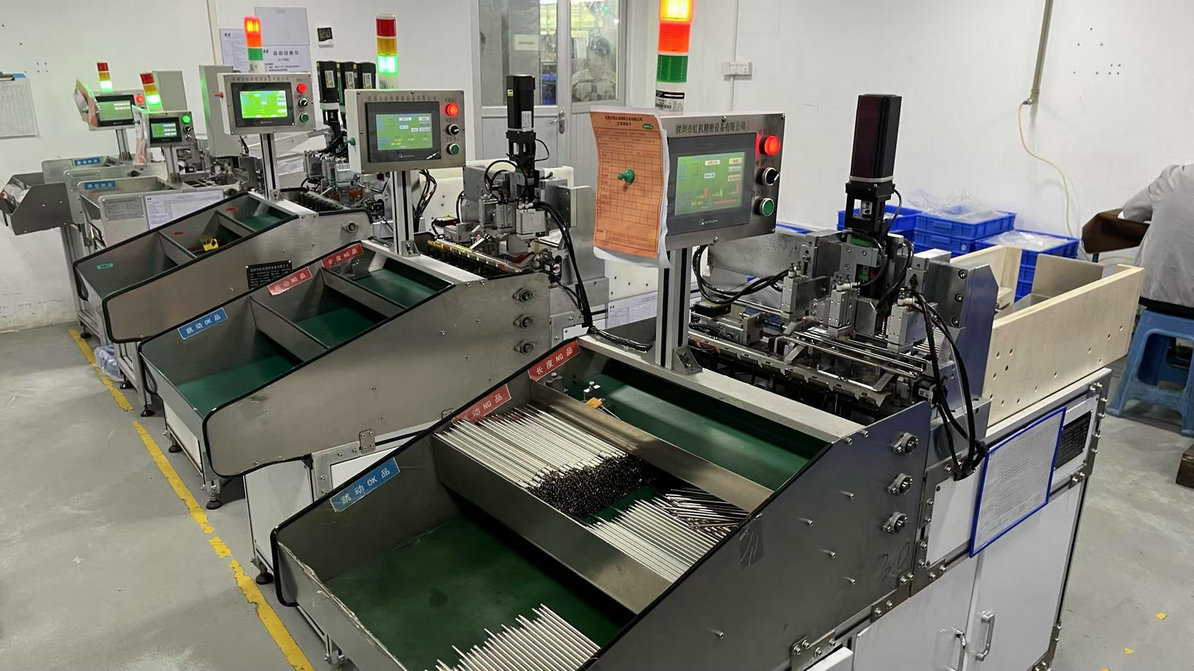
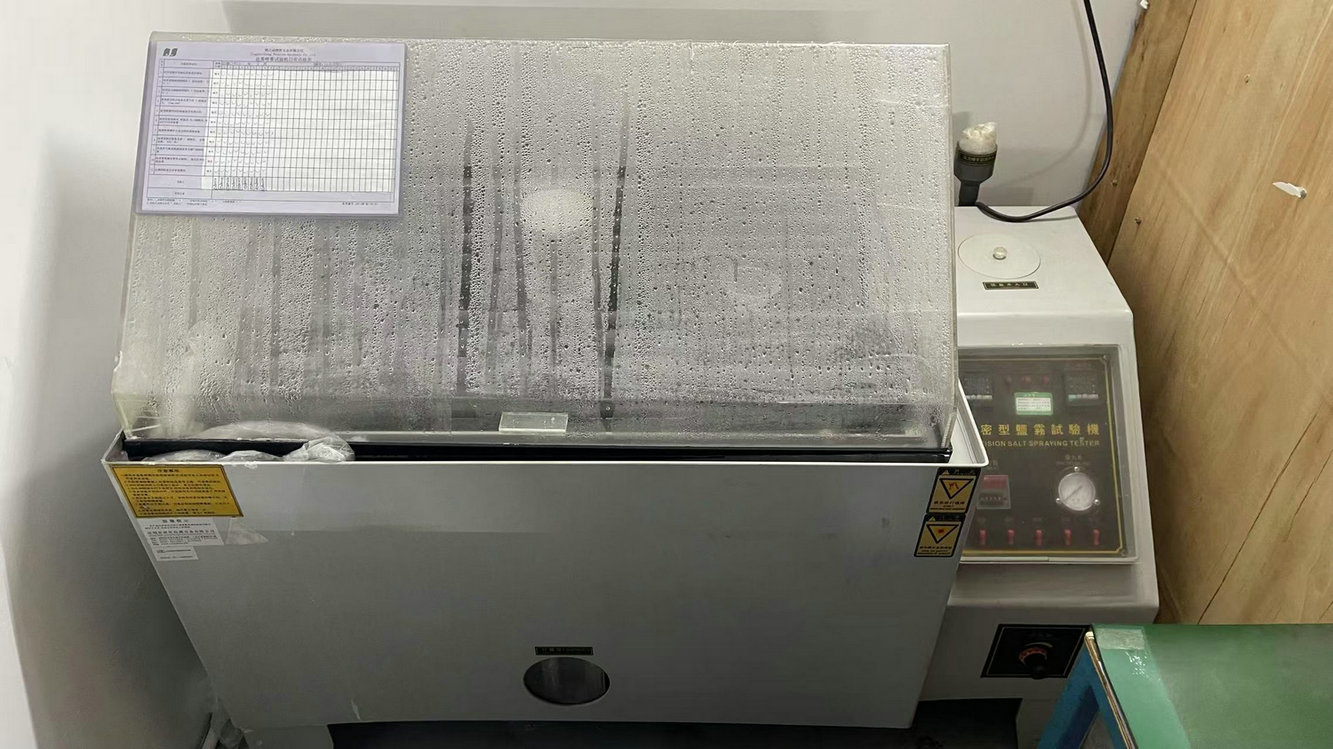
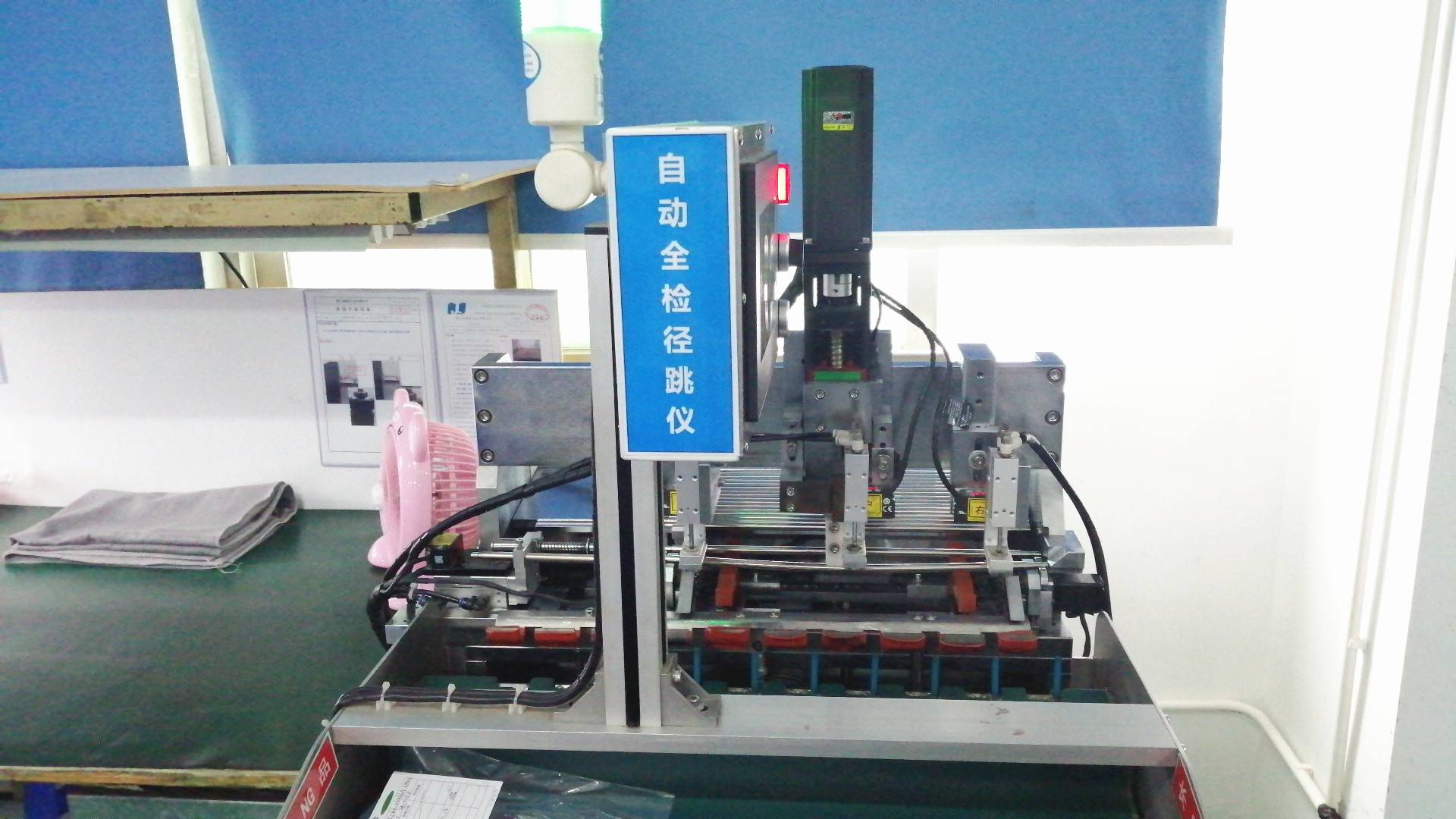
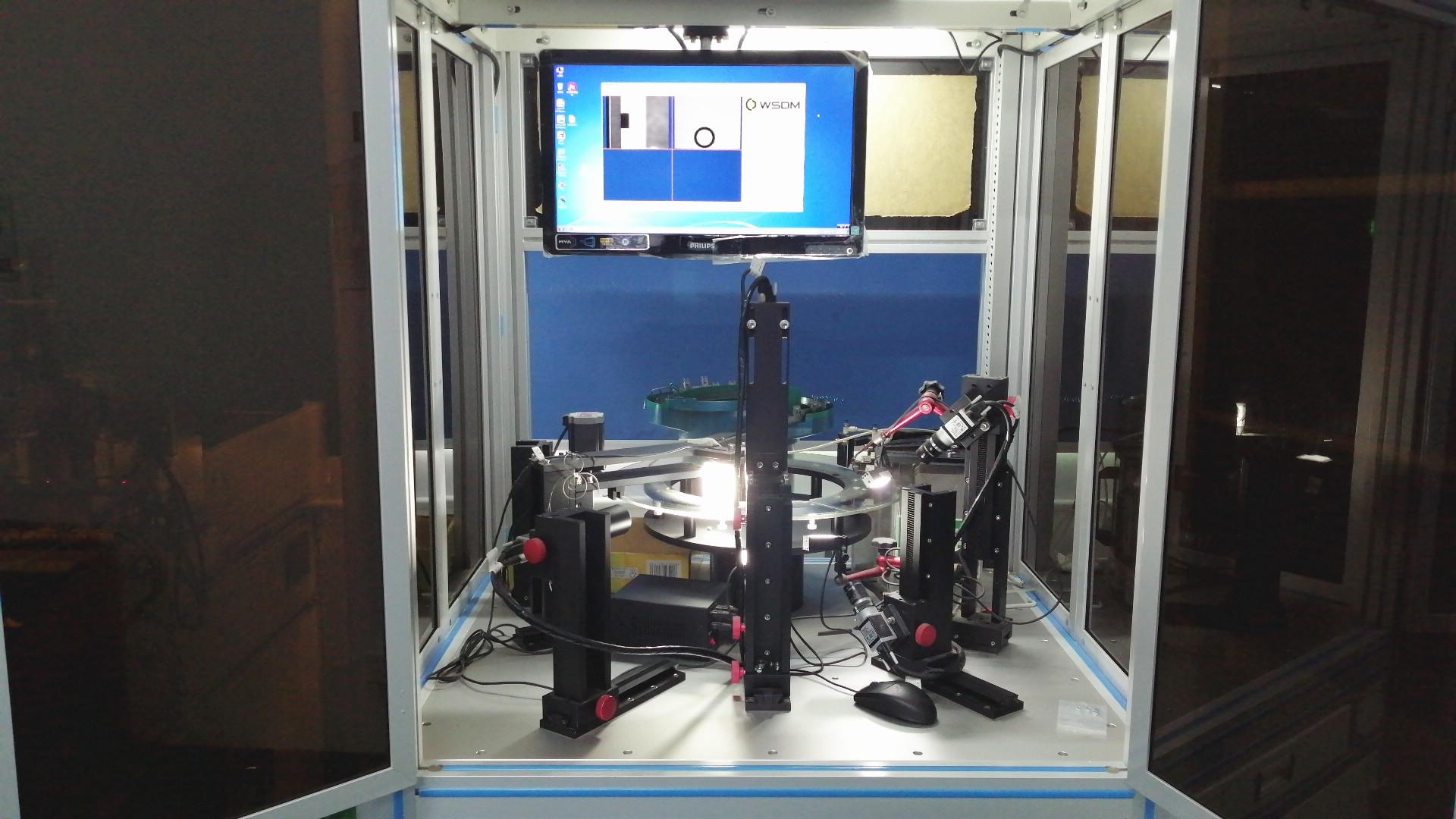
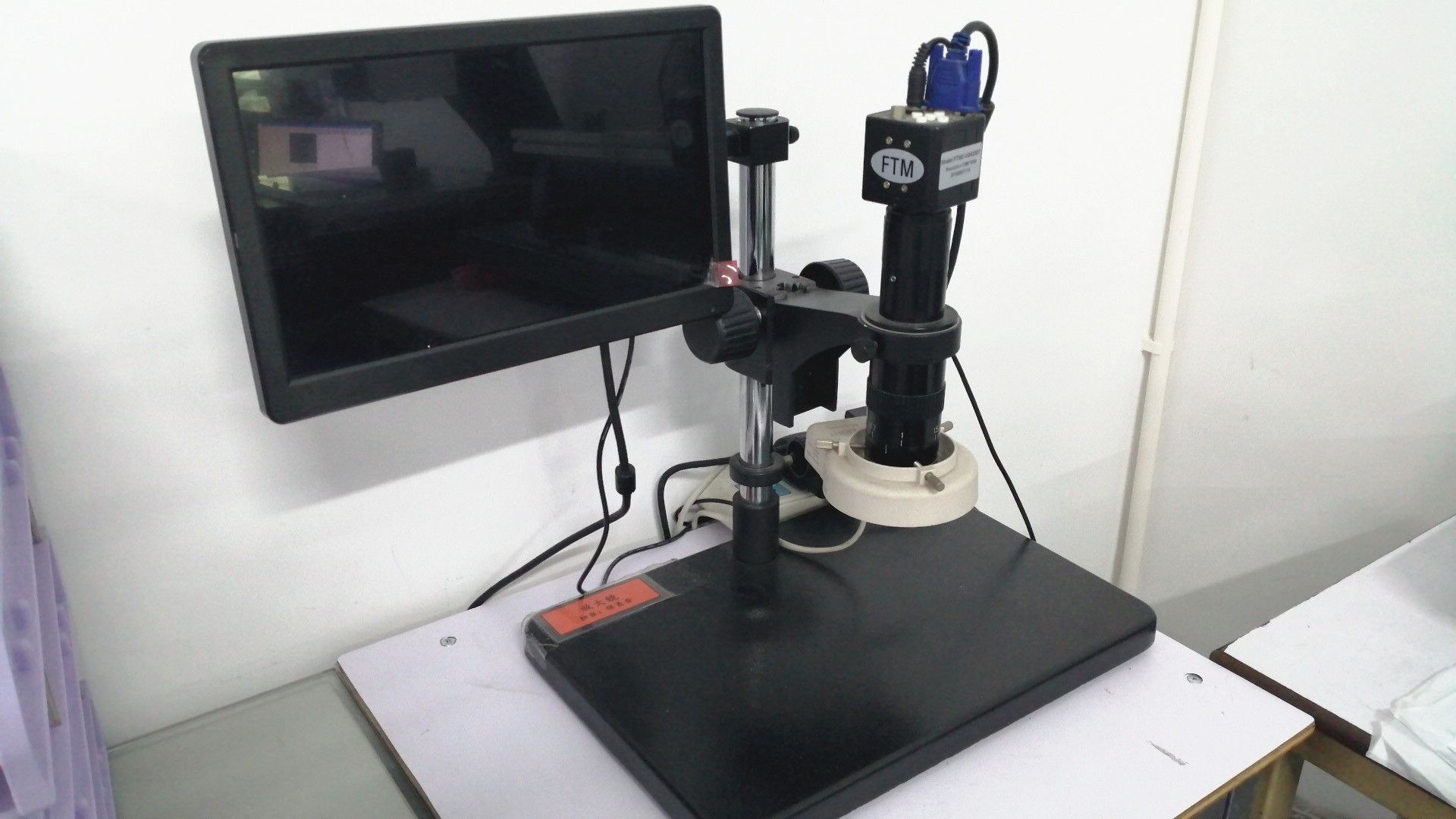
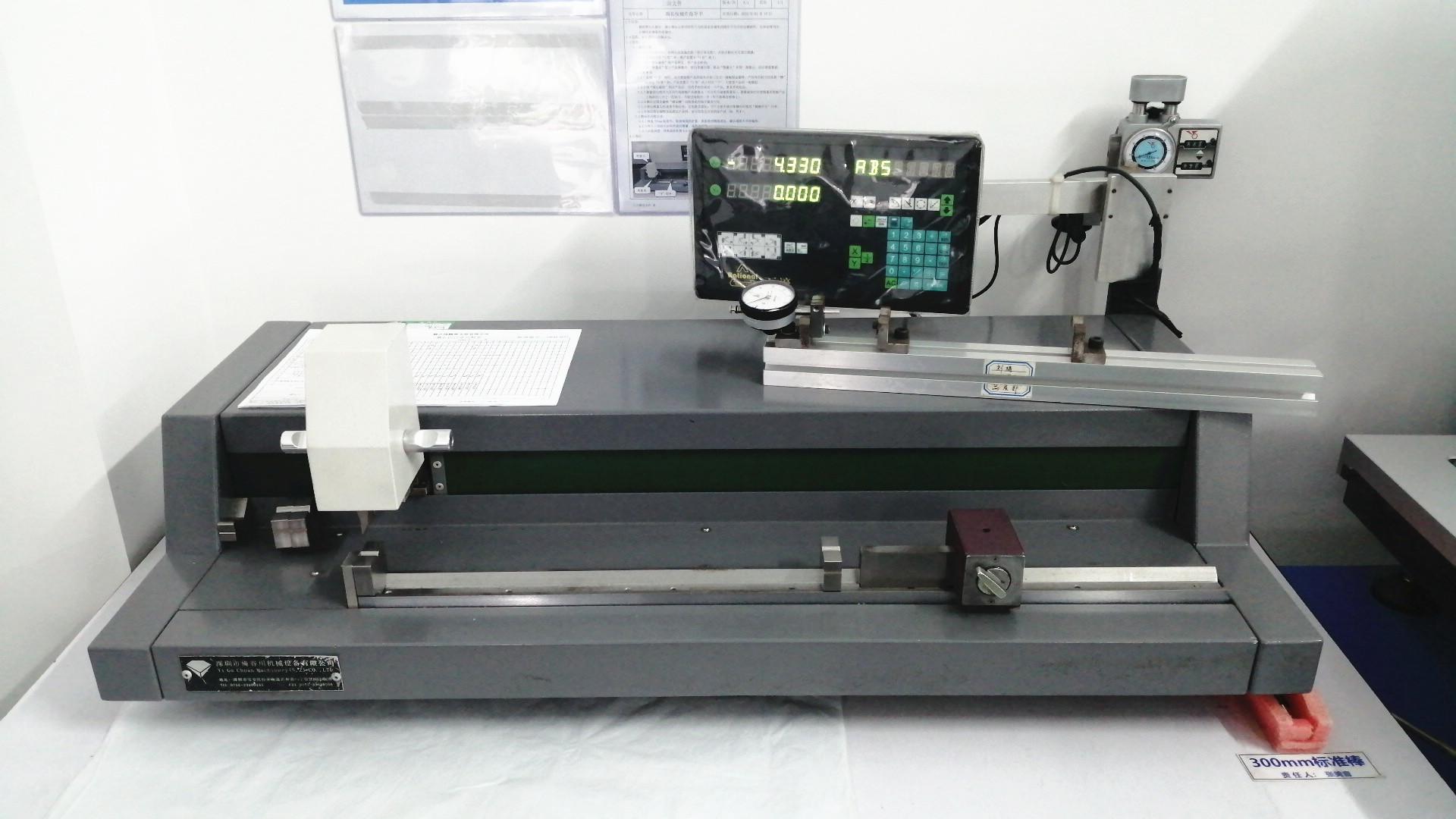
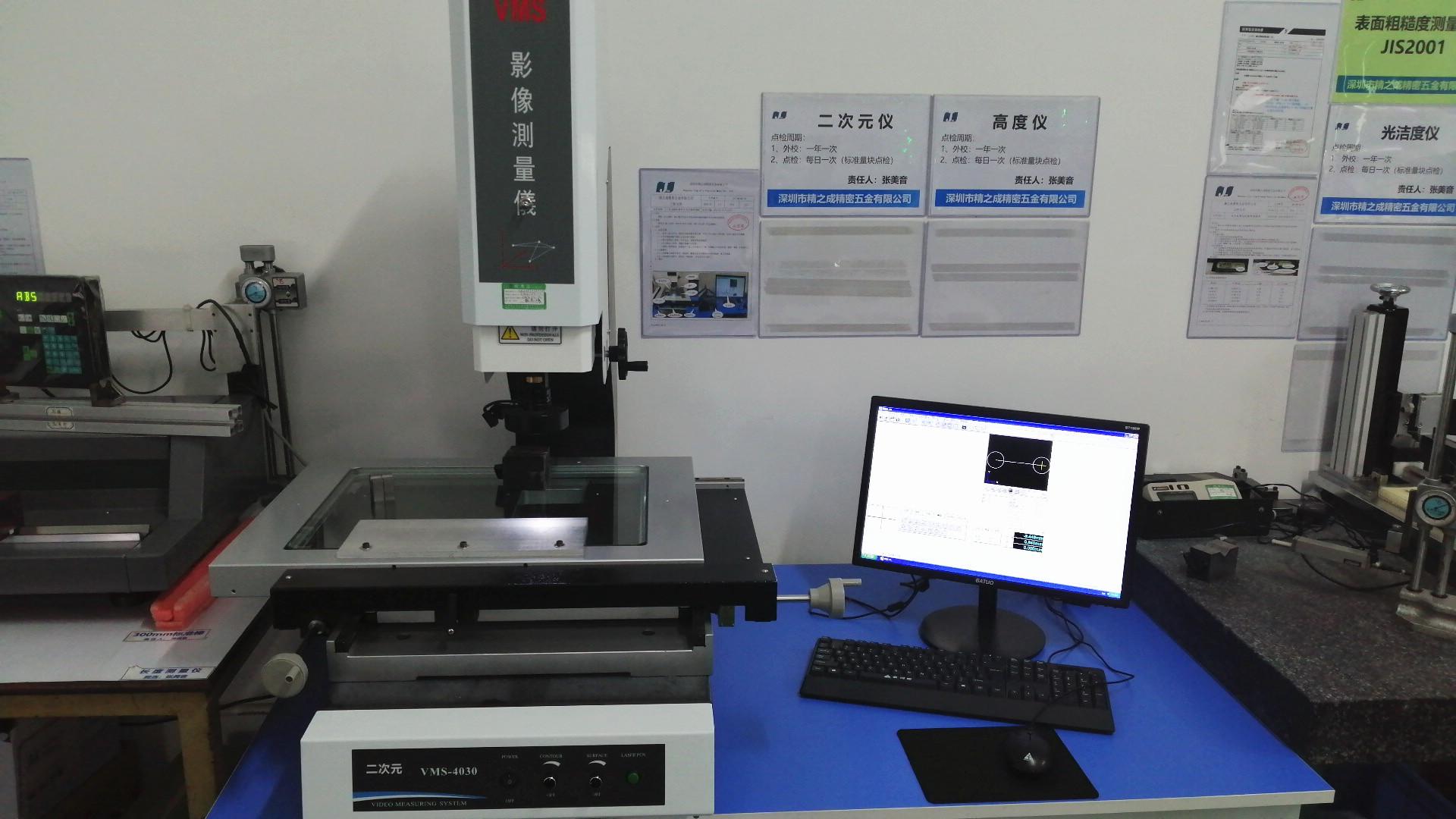
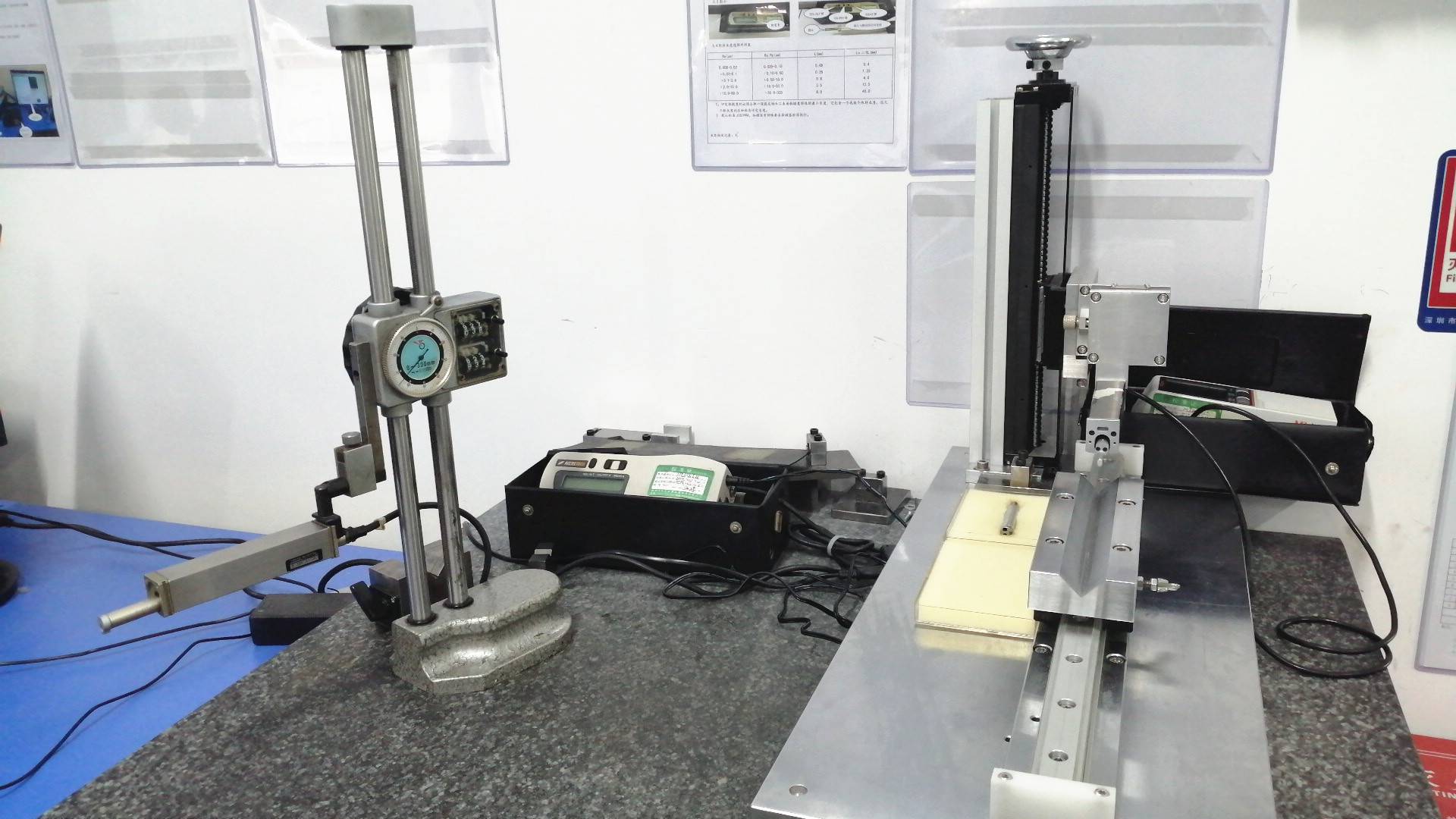
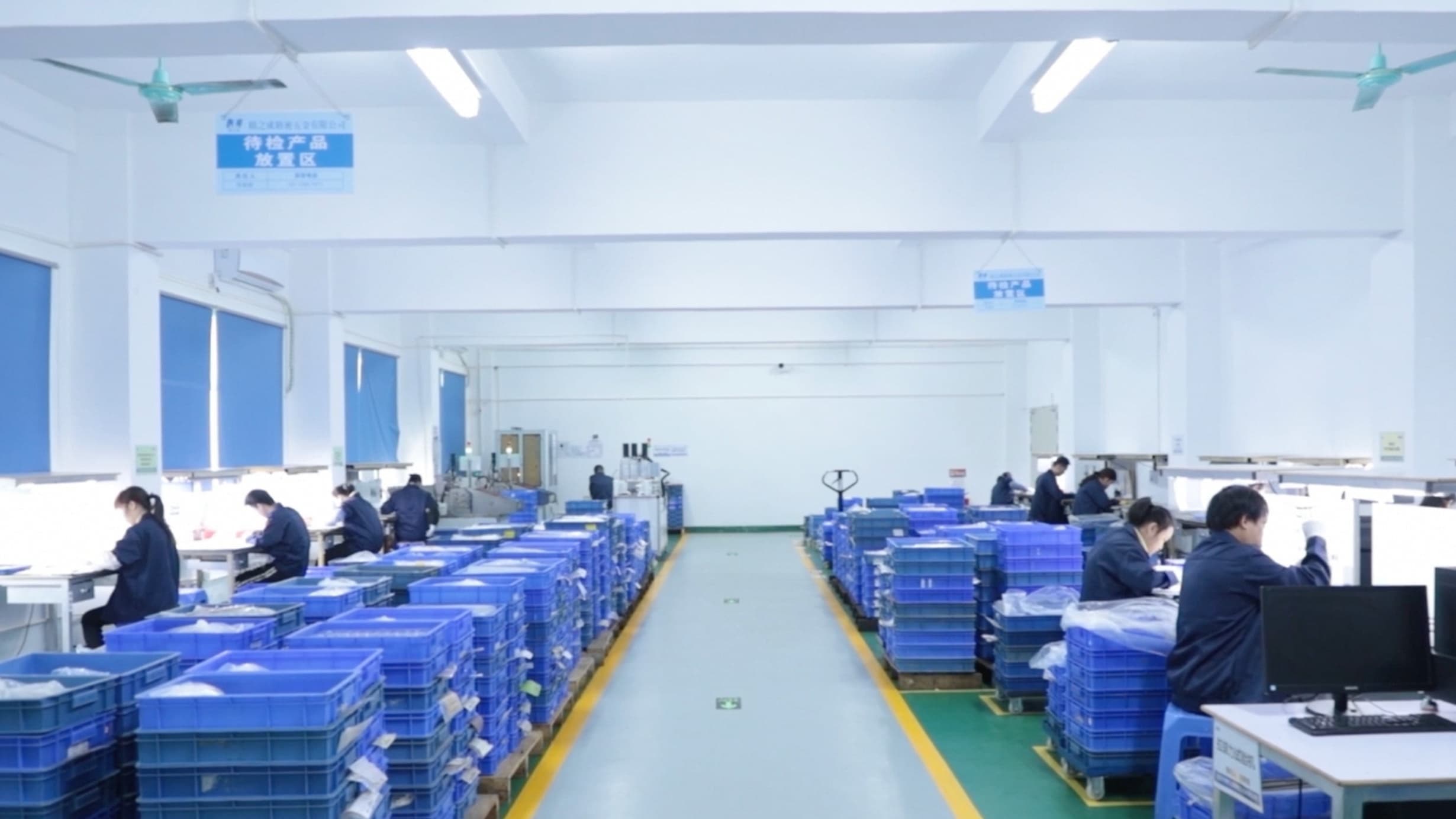
Every tissue expander, locking plate, and cannulated screw undergoes 100% rigorous inspection across multi-axis dynamic and dimensional testing devices.
The company's technical department collaborates with hospital experts, university professors, frontline surgeons, and medical device engineers to solve complex clinical challenges. Below is our internal inspection center equipped with high-precision metrology and testing apparatus.
Empowering global medical brands with customized tissue expander shapes, rapid prototyping, and international regulatory support.
Our manufacturing facilities adhere strictly to ISO 13485 quality management system standards. We maintain full Technical Documentation Files (TDF) to assist international partners in acquiring regional registrations including EU MDR (2017/745), US FDA 510(k), and NMPA Class III medical device approvals.
Every surgical requirement is unique. We offer custom tissue expander engineering—ranging from specific shell base curves (concave, anatomical, flat) to customized remote port tubing lengths, specialized magnetic locator strength, and private-label sterile blister packaging.
All expanders are ethylene oxide (EtO) or gamma-radiation sterilized in ISO Class 7 cleanrooms. Each unit is embedded with Unique Device Identification (UDI) barcoding, ensuring 100% traceability from raw silicone polymer batching to hospital operating room consumption.
Expert insights into tissue expanders procurement, technical specifications, and surgical application safety.
Explore our extended range of bioabsorbable, spinal, dynamic fixations, and total joint replacements.
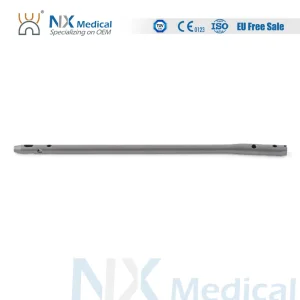
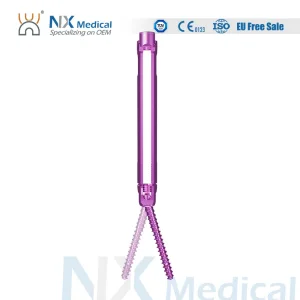
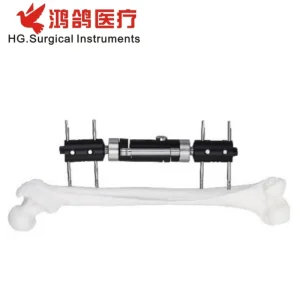
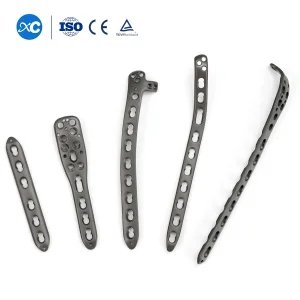
 Weed Orthopedic Implants