Explore our foundational range of medical devices, dynamic fixators, and orthopedic instrument sets engineered for superior clinical precision.
The global spinal stabilization landscape is undergoing a massive paradigm shift driven by demographic transitions, rising incidences of degenerative spinal disorders, and a clinical preference for Minimally Invasive Spine Surgery (MISS). In modern spine care, stabilization systems—comprising pedicle screws, rods, crosslinks, and interbody cages—serve as the biomechanical foundation for arthrodesis, posterior lumbar interbody fusion (PLIF), transforaminal lumbar interbody fusion (TLIF), and multi-segmental correction of complex deformities like adult degenerative scoliosis.
As healthcare systems worldwide focus heavily on objective patient outcomes, reduced surgical revision rates, and shortened hospitalizations, the demand for high-tier implant mechanics has grown exponentially. Standard titanium fabrications are giving way to advanced surface modifications, such as nano-textured titanium coatings on PEEK (polyetheretherketone) or ultra-precise bioactive silicon nitride interfaces. This creates a strong need for OEM/ODM contract manufacturers who can bridge the gap between biomaterial engineering and industrial scalability.

China has transitioned from a high-volume component producer to a core hub of advanced biomedical manufacturing. The unique synergy between Shenzhen's technology and logistics ecosystems and Sichuan's clinical research networks represents a highly optimized medical device value chain. Shenzhen Weed Medical Apparatus Co., Ltd., built on this robust structure, integrates cutting-edge CNC machining, surface treatment technologies, and advanced logistics to deliver class-leading OEM/ODM spinal stabilization systems.
This localized industrial cluster allows for rapid prototyping, rapid design adjustments, and strict control of raw materials. Using Swiss-type longitudinal turning lathes, high-precision multi-axis machining centers, and automated wire EDM, China's advanced manufacturing platforms can maintain tolerance thresholds within ±0.005mm. These tight tolerances are critical for ensuring perfect lock-mating between screw heads, locking caps, and rods, eliminating the risk of intraoperative cross-threading or post-operative hardware loosening.
Furthermore, integration with domestic clinical centers allows manufacturers to gather direct surgeon feedback, moving designs from the bench to the bedside in record time. This feedback loop ensures that implants are not only mechanically sound but also optimized for the ergonomic realities of the operating room.


Understanding the mechanical, material, and surface technologies that dictate the long-term success of spinal fusion devices.
We manufacture using medical-grade Titanium Alloy (Ti-6Al-4V ELI) conforming to ASTM F136 and pure PEEK polymers. These materials offer the perfect balance of high tensile strength, fatigue resistance, and biocompatibility, matching the natural elastic modulus of cortical bone.
Our pedicle screws feature dual-lead threads and cortical-cancellous transition zones. These specialized configurations maximize initial pull-out strength, minimize insertion torque, and optimize load distribution along the vertebral body.
Type II anodized surfaces form a dense protective oxide layer that resists wear and limits ion release. For PEEK interbody fusion cages, we offer plasma-sprayed titanium coatings that promote rapid, direct bone-to-implant contact (osseointegration).
Our ISO 13485 certified facilities utilize advanced testing instruments to verify dimensional accuracy, mechanical limits, and surface finishes.
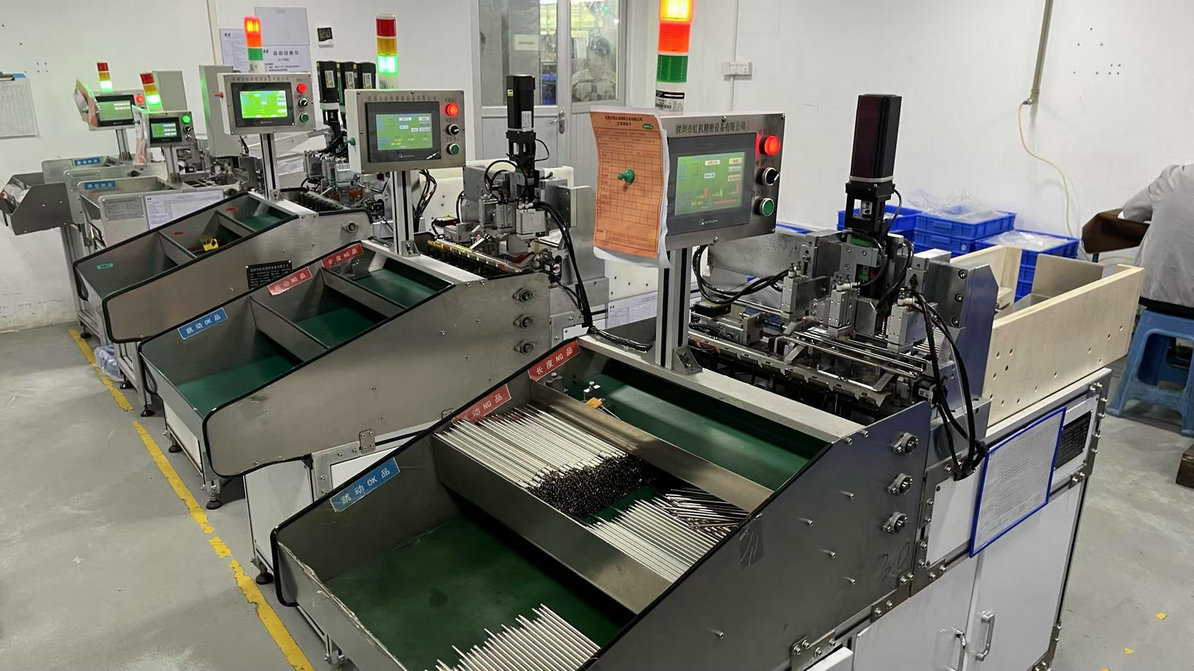
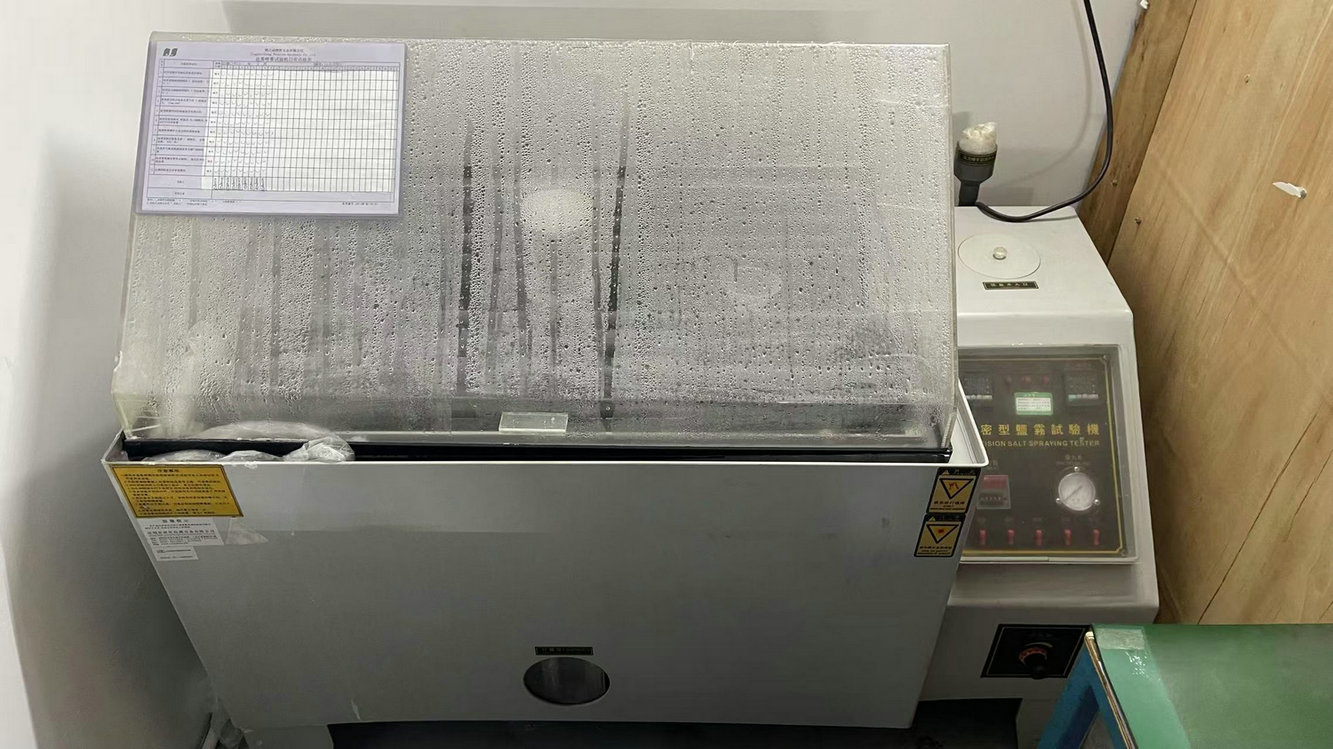
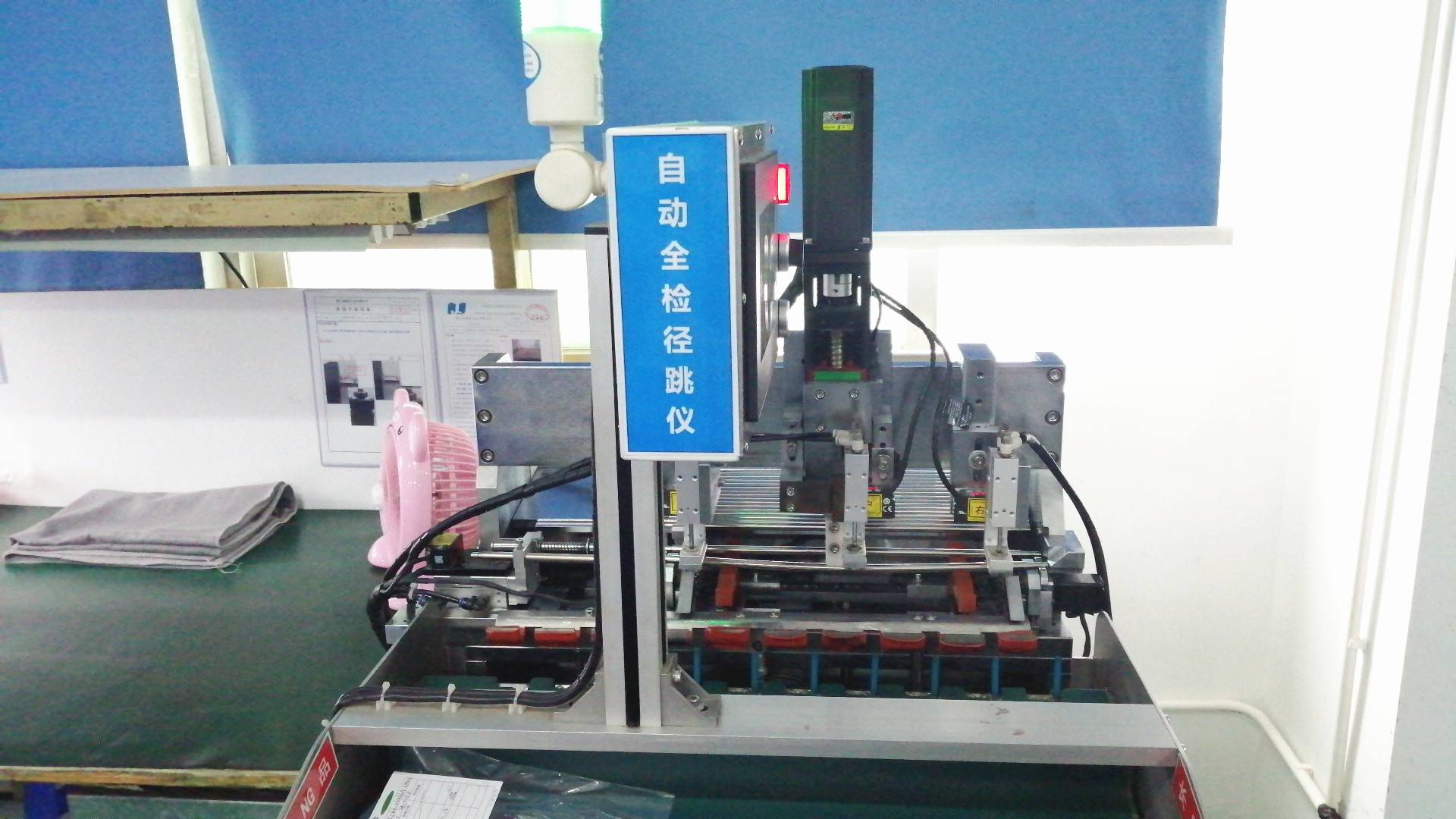
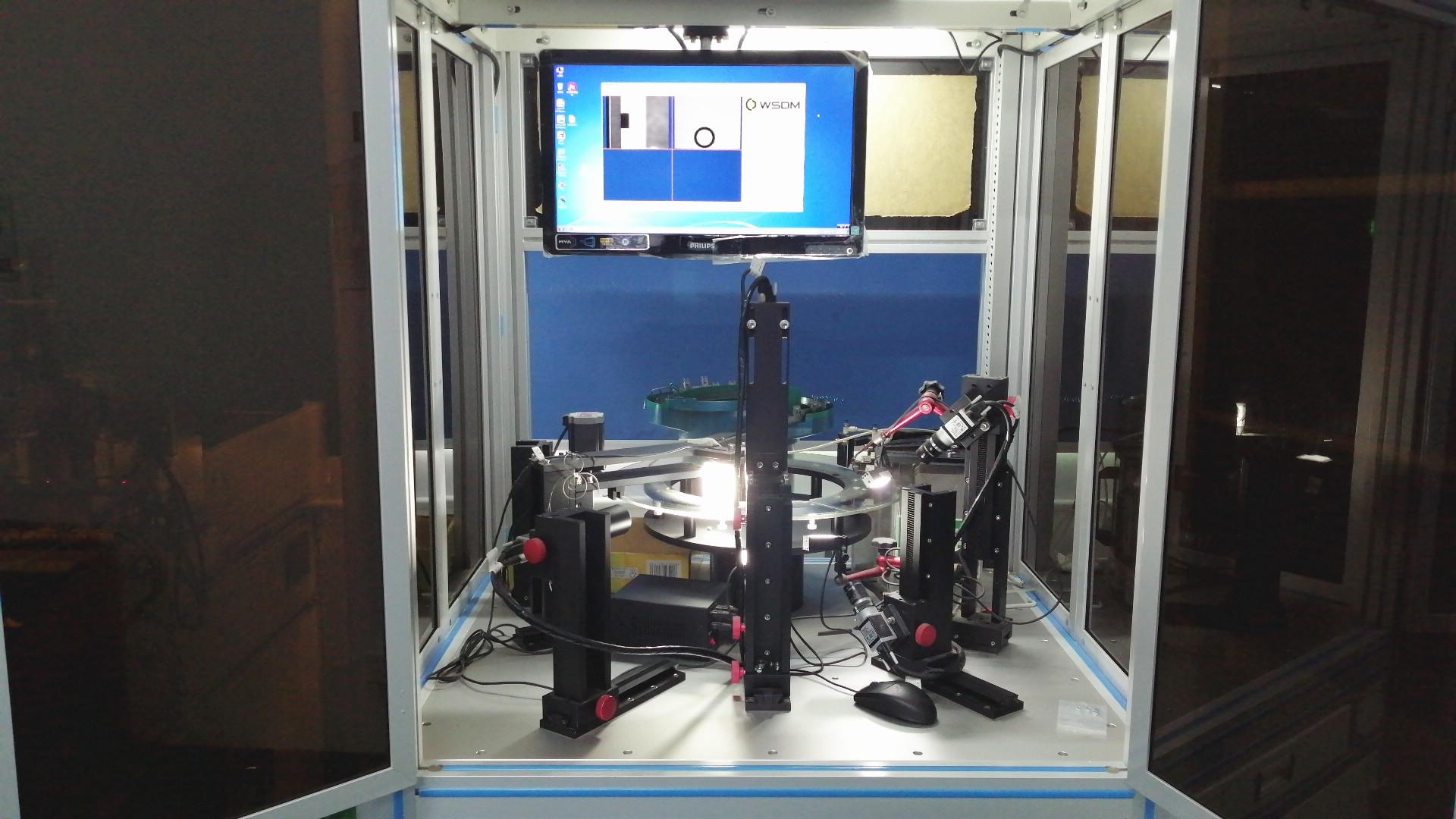
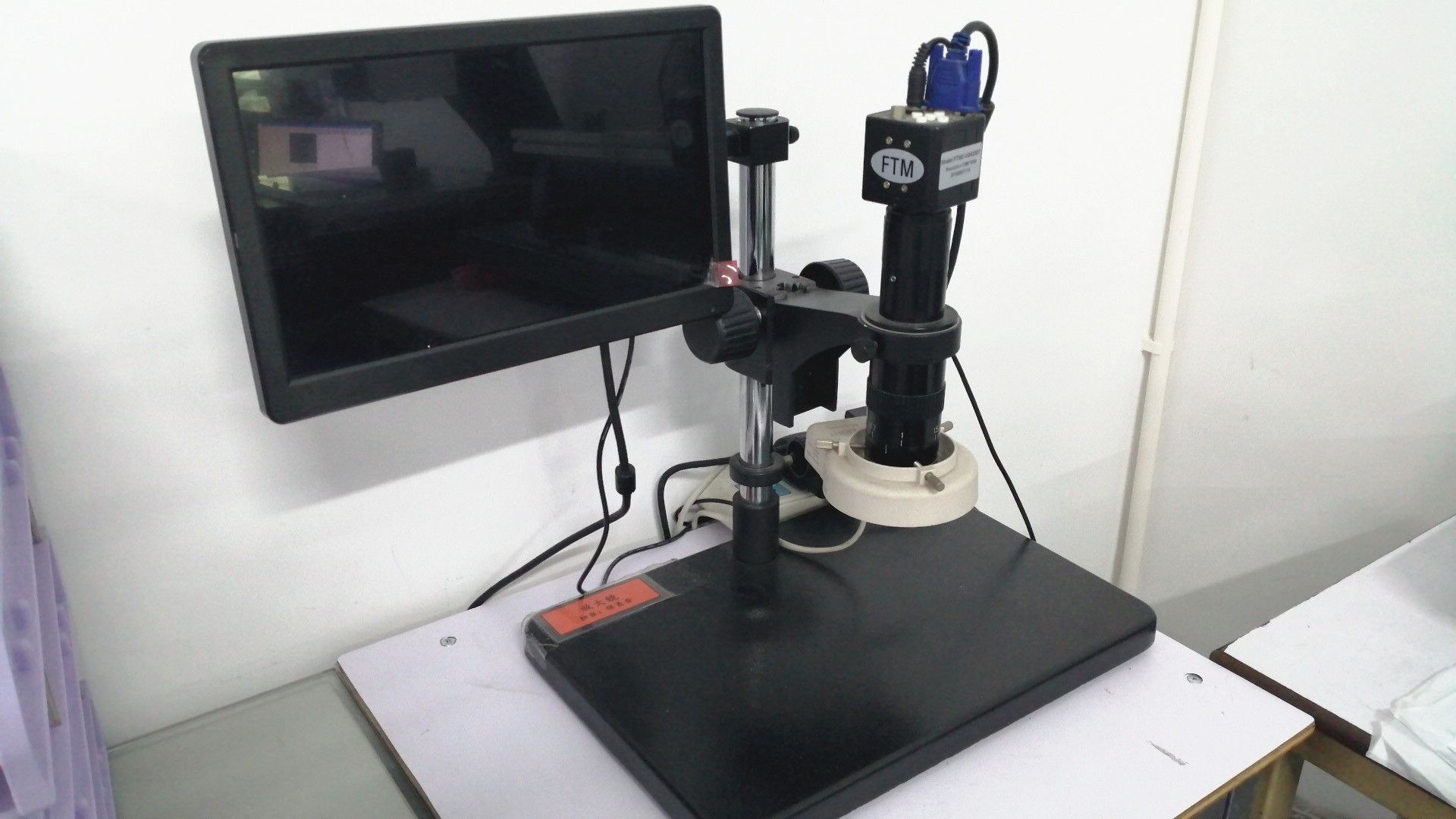
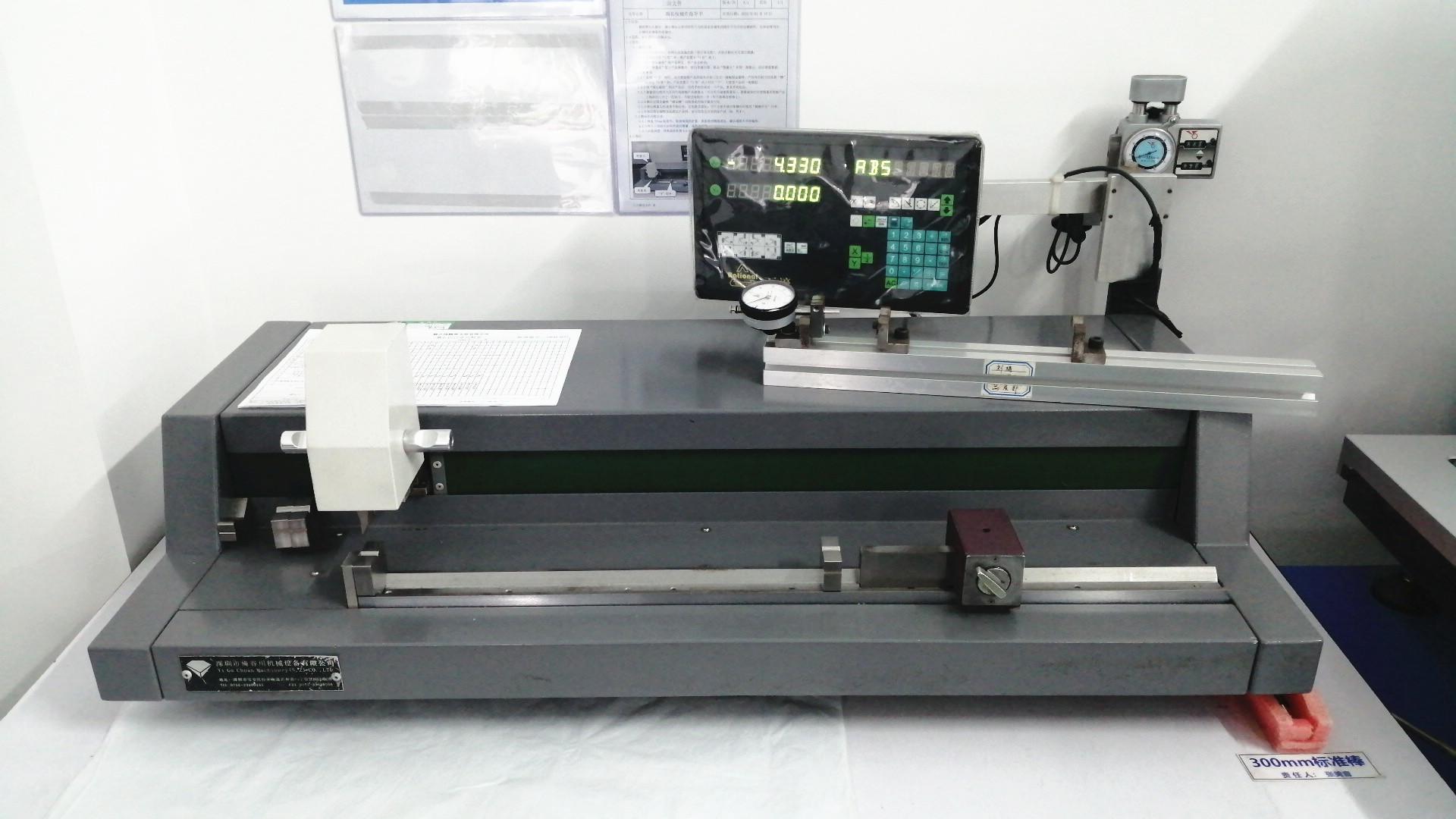
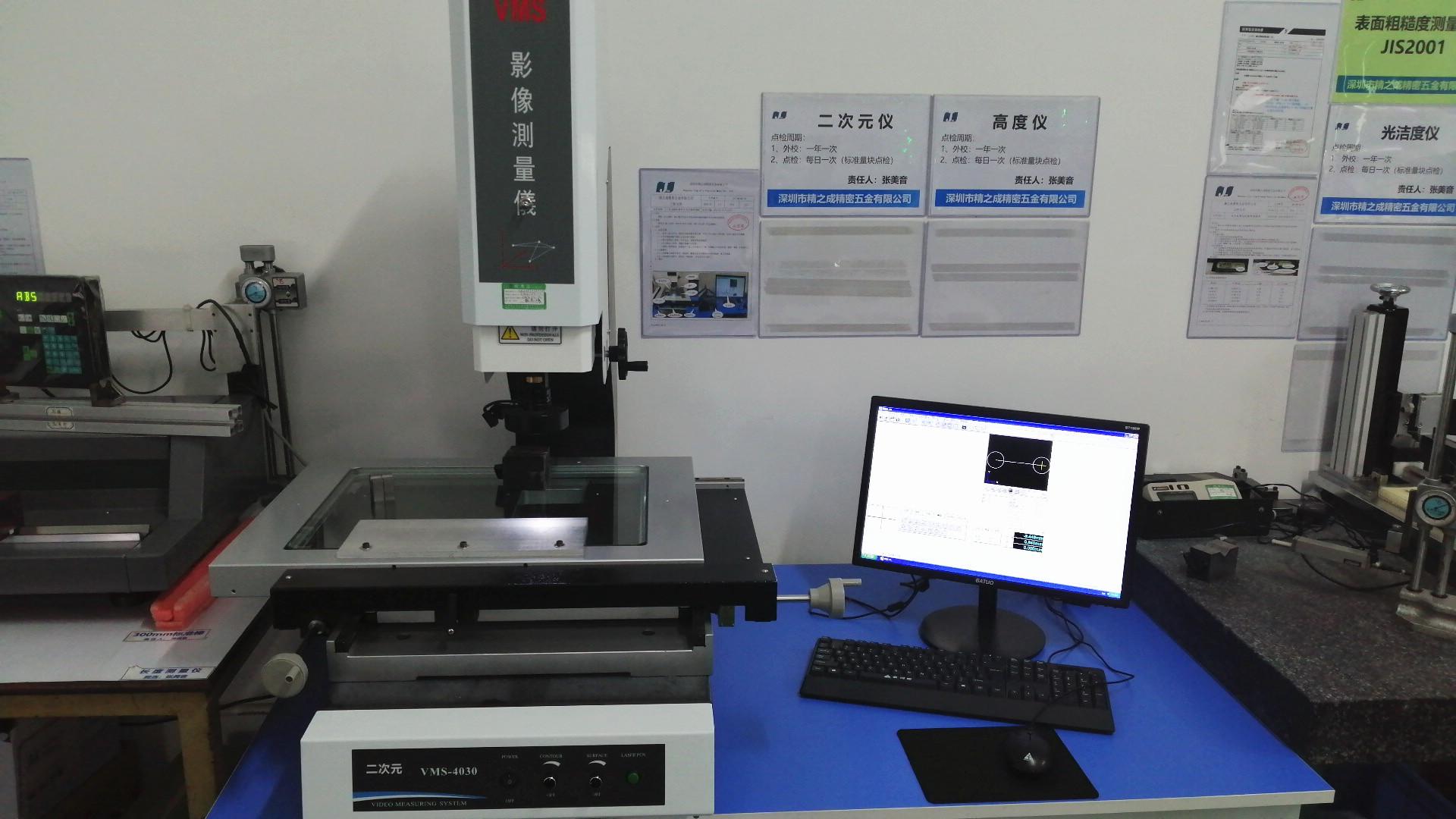
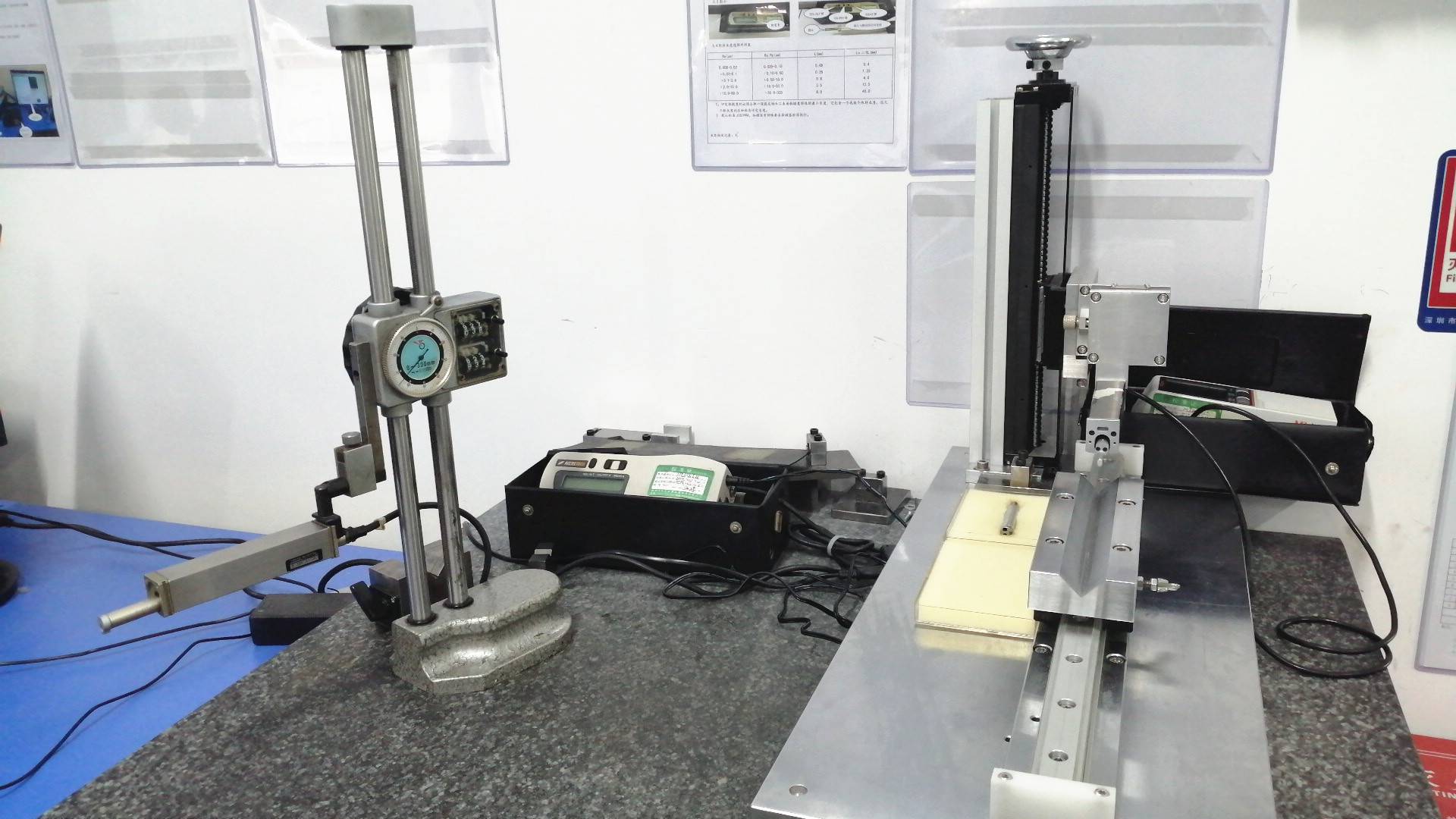
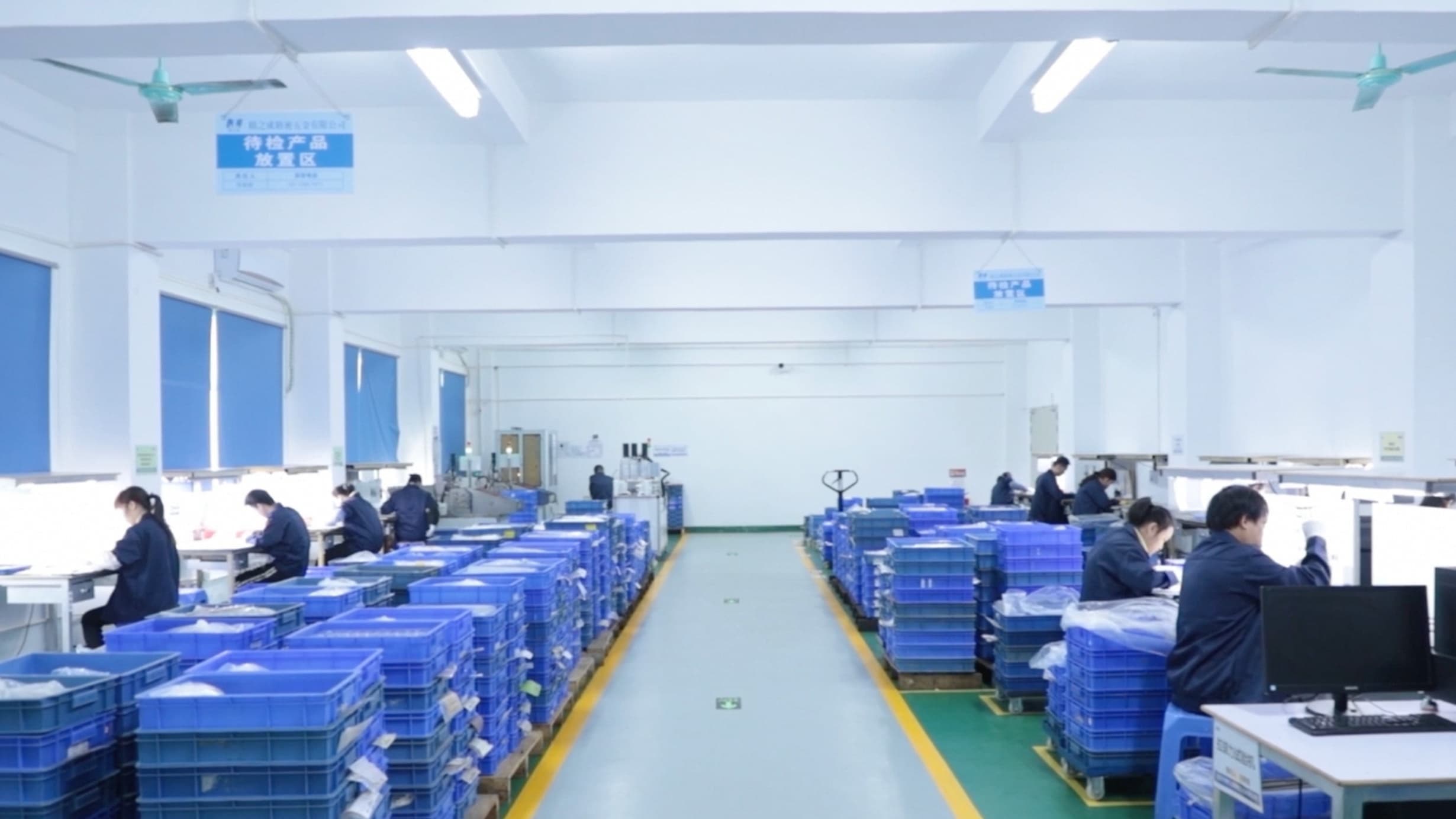
Every step of our production workflow—from raw bar stock inspection to final packaging—is monitored and logged. We use two-dimensional projectors to verify thread pitch profiles, salt spray testing to check chemical passivity, and CCD detectors to scan for microscopic surface flaws.
This rigorous quality control process guarantees that our spinal fixation systems can withstand millions of cycles of dynamic loading in the human body, meeting or exceeding ASTM F1717 fatigue limits.
Established in 2015, we are a leading medical device supplier, partnering with top clinical institutions to deliver high-performance surgical consumables globally.
Shenzhen Weed Medical Apparatus Co., Ltd. operates a dual direct-sales and distribution model. Our portfolio includes absorbable biomaterials, shape memory alloys, 3D-printed orthopedic consumables, external fixators, and major surgical consumables. We collaborate closely with frontline clinicians, university research labs, and manufacturing experts to address complex surgical challenges, transforming real-world clinical feedback into patented medical technologies.
Our spinal stabilization implants are designed to adapt to diverse clinical demands, from degenerative pathologies to complex structural reconstructions.
For patients presenting with chronic spinal instability, lumbar canal stenosis, or grade I/II spondylolisthesis, our pedicle screw systems provide immediate mechanical stabilization. They assist in restoring segment height and anatomical lordosis when paired with interbody spacers.
In cases of idiopathic or degenerative scoliosis, kyphosis, and multi-level spinal imbalances, our high-yield rods and laminar crosslink hooks allow surgeons to apply gradual corrective forces, maintaining structural alignment across long fusion segments.
For unstable burst fractures or fracture-dislocations, our stabilization systems provide rigid internal splinting. This protects the spinal cord, facilitates neurological recovery, and supports early mobilization.
For international distributors, hospital groups, and OEM brand owners, sourcing spinal stabilization systems requires more than just cost comparison. Procurement departments must evaluate manufacturing capacity, regulatory compliance, material traceability, and quality control systems.
We address these key operational requirements by providing full raw material melt certifications, chemical passivation validation, and dynamic testing documentation for all implant batches. By standardizing our processes under ISO 13485:2016 and MDR frameworks, we help global buyers reduce compliance risks, streamline product registration, and accelerate time-to-market.
The spine surgery industry is shifting toward individualized care and dynamic stabilization. Key industry trends that we are integrating into our R&D roadmap include:
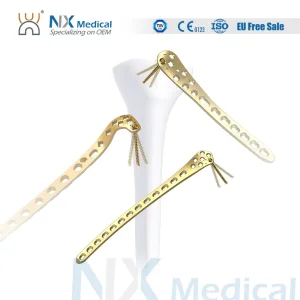
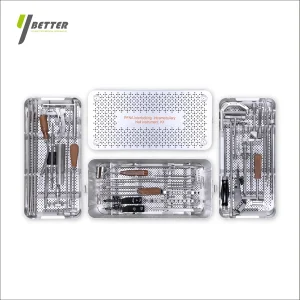
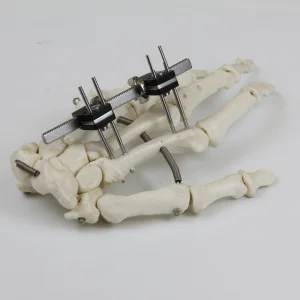
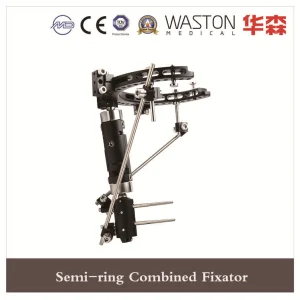
A comprehensive selection of trauma plates, external fixators, ligament anchors, and intramedullary nail systems designed for specialized surgical procedures.
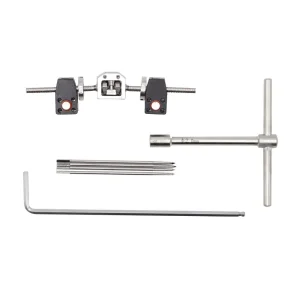
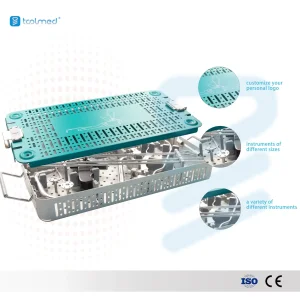
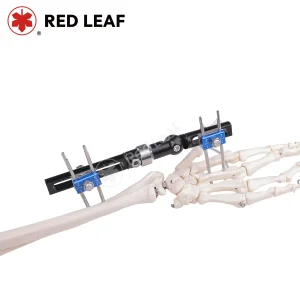
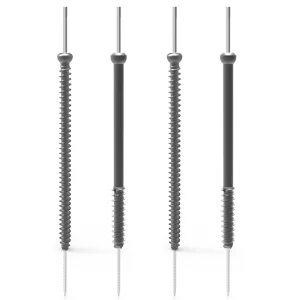
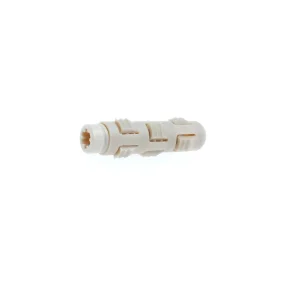
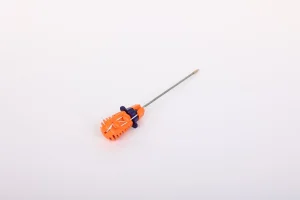
Get detailed technical and operational answers regarding materials, manufacturing limits, certifications, and customization workflows.
 Weed Orthopedic Implants