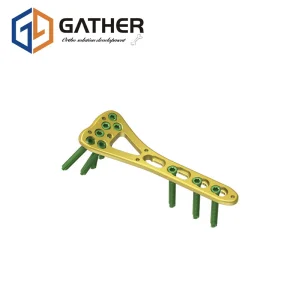
The global orthopedic industry is undergoing a paradigm shift. With an aging global population, rising incidences of degenerative disc disease (DDD), spondylolisthesis, and complex spinal trauma, the demand for high-performance Spinal Fusion Devices is accelerating. Historically, medical institutions and B2B distributors in North America, Europe, and Latin America relied heavily on high-overhead Western medical brands. Today, advanced manufacturers from China—such as Shenzhen Weed Medical Apparatus Co., Ltd.—have closed the technological gap by integrating aerospace-grade titanium coatings, implantable PEEK (Polyetheretherketone), shape memory alloys, and 3D printing technologies into their mainstream production lines.
As healthcare systems face increasing pressure to optimize clinical outcomes while managing budgetary constraints, wholesale procurement from China has transitioned from a cost-saving measure to a strategic partnership. B2B importers, hospital procurement officers, and OEM brand owners now prioritize manufacturers who can offer regulatory compliance (CE, FDA, ISO 13485), state-of-the-art material properties, and highly precise instrumentation systems. By eliminating unnecessary markups, China-based exporters deliver direct OEM/ODM options that maintain clinical excellence at a fraction of standard commercial costs.
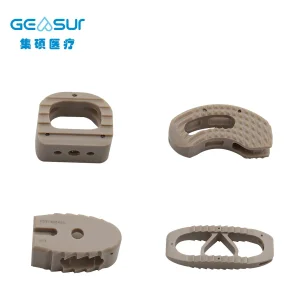
Standard implants often suffer from poor bone-to-implant interface adhesion, leading to implant migration or pseudarthrosis. By applying advanced titanium spray coating onto PEEK interbody fusion cages, our devices leverage the elastic modulus of PEEK (similar to human cortical bone) combined with the rapid bone-ingrowth properties of rough titanium.
Modern clinical practices favor smaller incisions to shorten recovery times. Our low-profile pedicle screw systems, customizable rods, and specialized MIS retractors allow surgeons to perform posterior lumbar interbody fusion (PLIF) and transforaminal lumbar interbody fusion (TLIF) with minimal soft tissue disruption.
The human lumbar and cervical spine endure massive daily loads. Our implants undergo exhaustive mechanical stress-testing under simulated physiological conditions, verifying fatigue life limits and anti-loosening designs to prevent mechanical breakdown over millions of flexion-extension cycles.
Established in 2015, Shenzhen Weed Medical Apparatus Co., Ltd. (formerly operating in strategic regions including Sichuan and Guangdong) primarily engages in the development, manufacturing, and distribution of high-end orthopedic medical devices. Through deep business, material science, and clinical cooperation with leading domestic and international consumable manufacturers, we ensure that our products utilize technologies and materials superior to standard industry baselines.

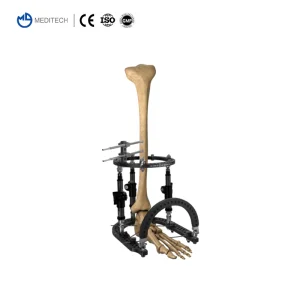
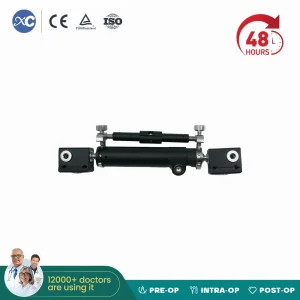
Our core business model is built on dual pillars: direct clinical sales and strategic distributor partnerships. Our comprehensive product portfolio covers absorbable materials, shape memory alloys, 3D-printed custom orthopedic consumables, external fixation devices, and other critical surgical consumables. Today, our products are deployed across more than 200 high-grade hospitals in Sichuan Province alone, earning a stellar reputation among clinical directors, purchasing managers, and orthopedic surgeons.
At Shenzhen Weed Medical, we believe clinical feedback drives technological evolution. Our product development cycle is closely synchronized with leading professors, research universities, and frontline surgical staff. During the sales and post-market surveillance process, we document clinical feedback, technical challenges, and surgeon recommendations. This collaborative feedback loop allows our engineering and technical departments to design practical, real-world solutions to complex surgical problems.
Implantable materials dictate the success rate of spinal fusion. Our technical roadmap focuses heavily on two core materials: Medical-Grade PEEK (Polyetheretherketone) and Ti-6Al-4V ELI (Grade 5 Titanium Alloy).
PEEK is widely recognized for its excellent biomechanical properties. It features an elastic modulus (approx. 3.6 GPa) that sits comfortably between cortical and cancellous bone, significantly reducing the "stress shielding" effect commonly associated with solid metal implants. Stress shielding occurs when a rigid implant bears all the load, causing the surrounding bone to resorb due to lack of stimulation. PEEK ensures natural mechanical load transfer, stimulating bone remodelation. Furthermore, PEEK is radiolucent, enabling surgeons to easily track the progress of bone fusion using standard X-ray or CT imaging without metallic artifacts.
Despite PEEK’s mechanical benefits, its bio-inert surface can slow down initial osteoblast adhesion. To solve this, our technical department has developed a hybrid solution: Titanium-Coated PEEK. Using vacuum plasma spraying (VPS) technology, a micro-porous layer of titanium is deposited onto the PEEK substrate. This maintains the elastomeric benefits of the PEEK core while providing a rough, bioactive titanium surface that accelerates immediate post-operative mechanical stability and promotes rapid osteointegration.
Weed Medical is pioneering the commercialization of Nitinol (Nickel-Titanium) shape memory alloys for dynamic stabilization systems. Simultaneously, our 3D-printing (Selective Laser Melting) division designs custom, patient-specific cages featuring a biomimetic trabecular structure. This structure features an open-pore porosity of 60–80%, mimicking natural bone marrow channels to guide osteogenic cell migration.
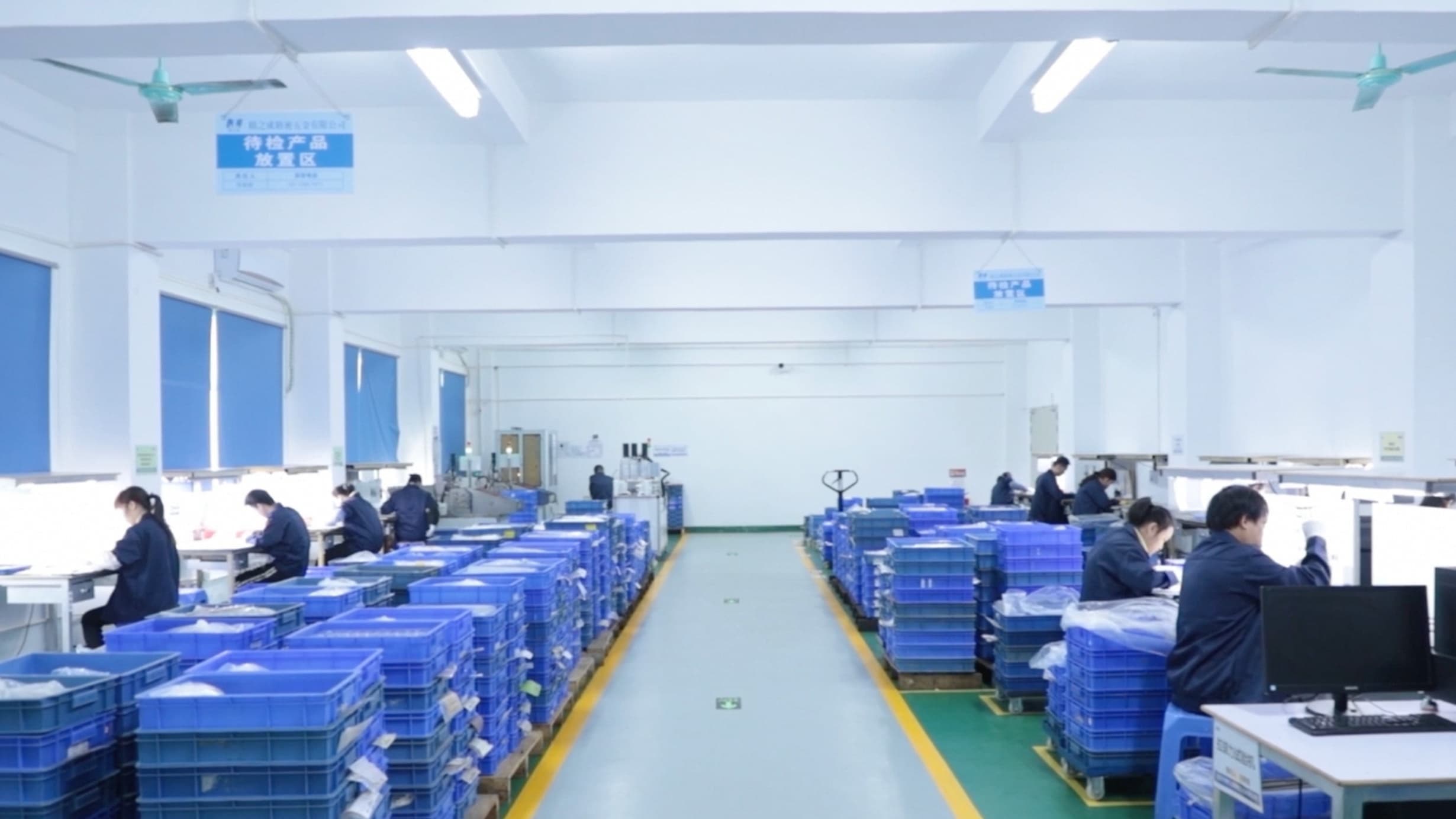
Every spinal fusion screw, cage, and orthopedic plate manufactured by Shenzhen Weed Medical undergoes an exhaustive quality validation protocol inside our ISO-certified inspection workshops. Below are our core diagnostic and measurement systems that guarantee micro-level precision.
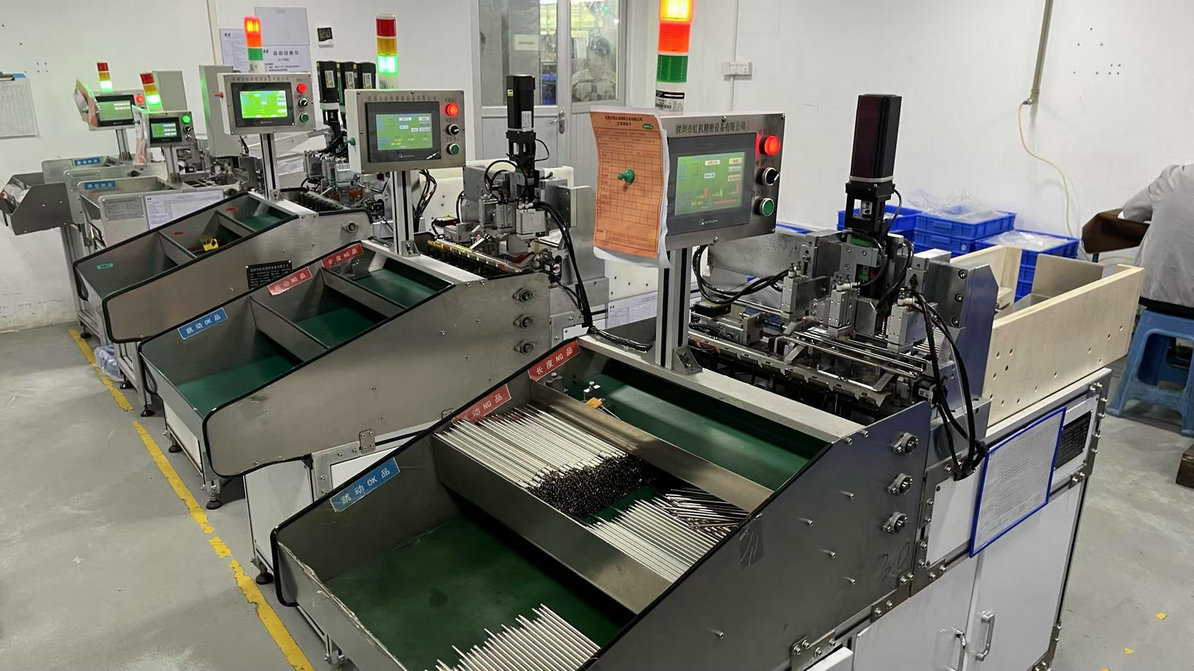
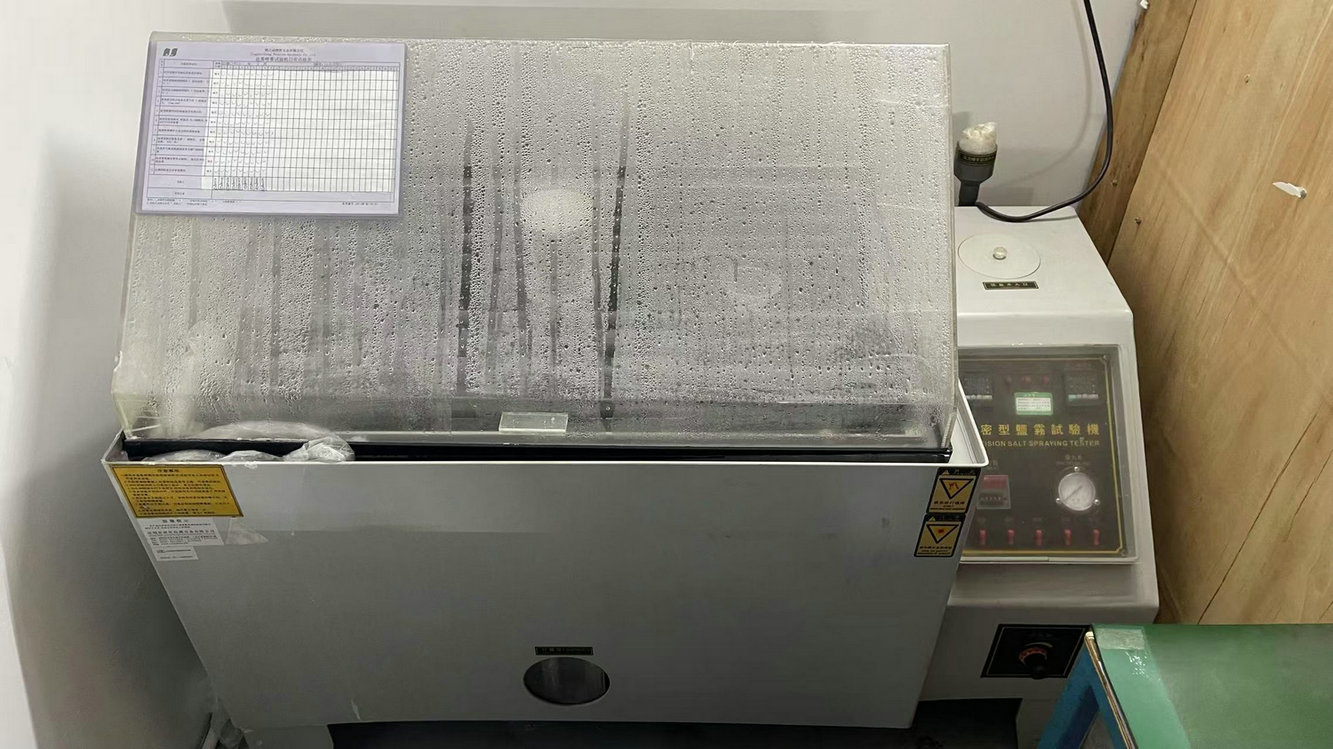
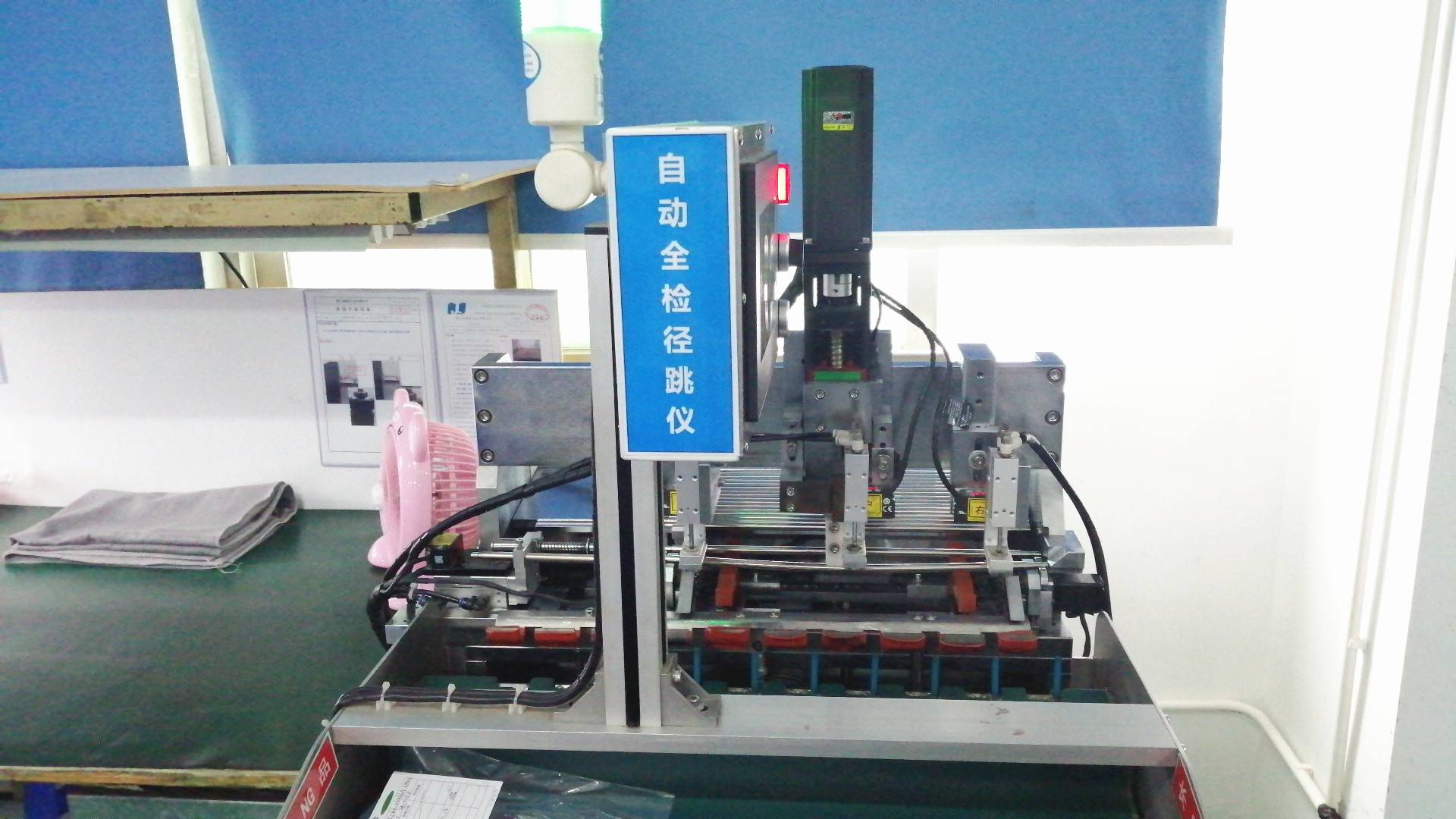
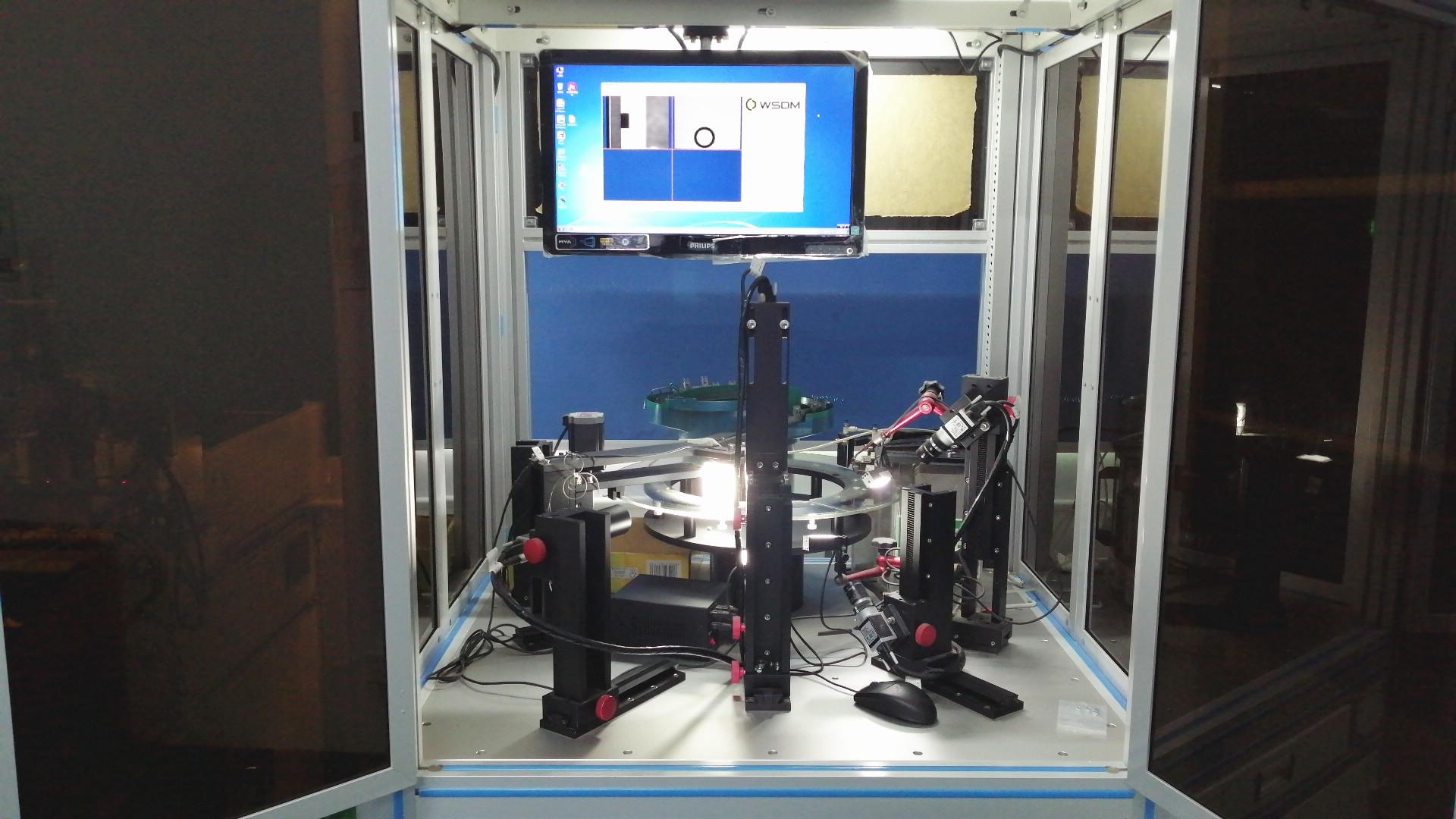
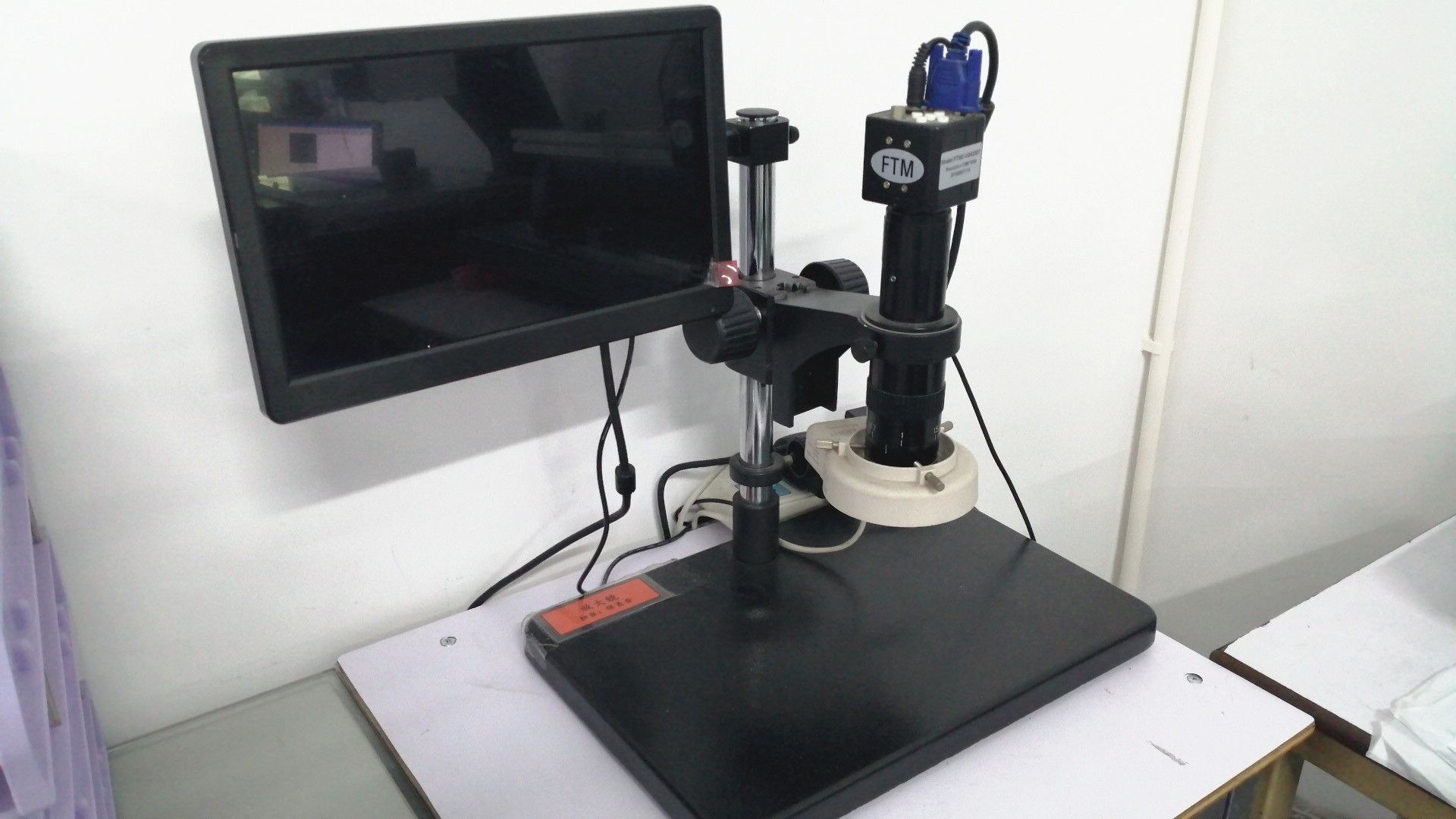
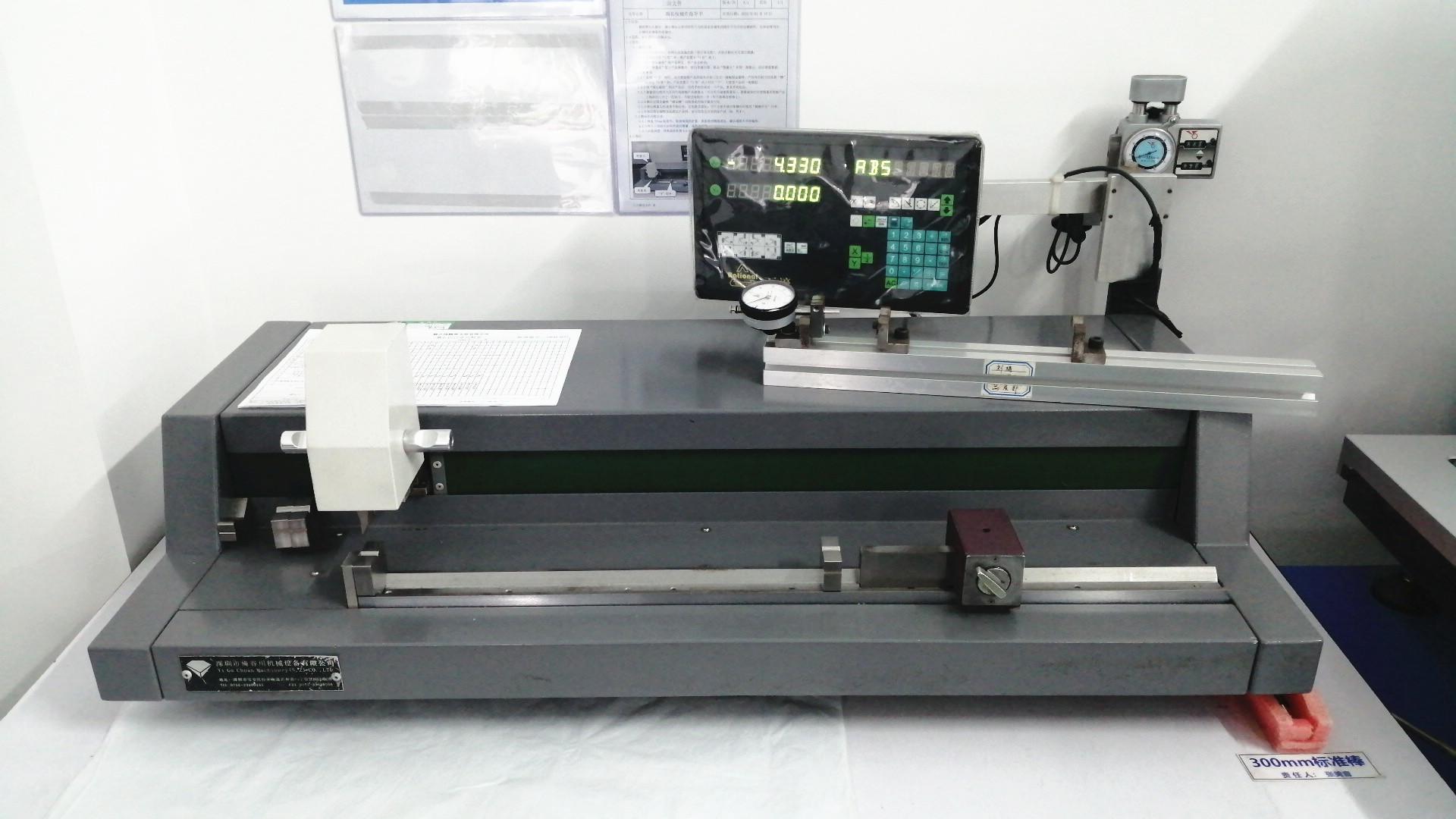
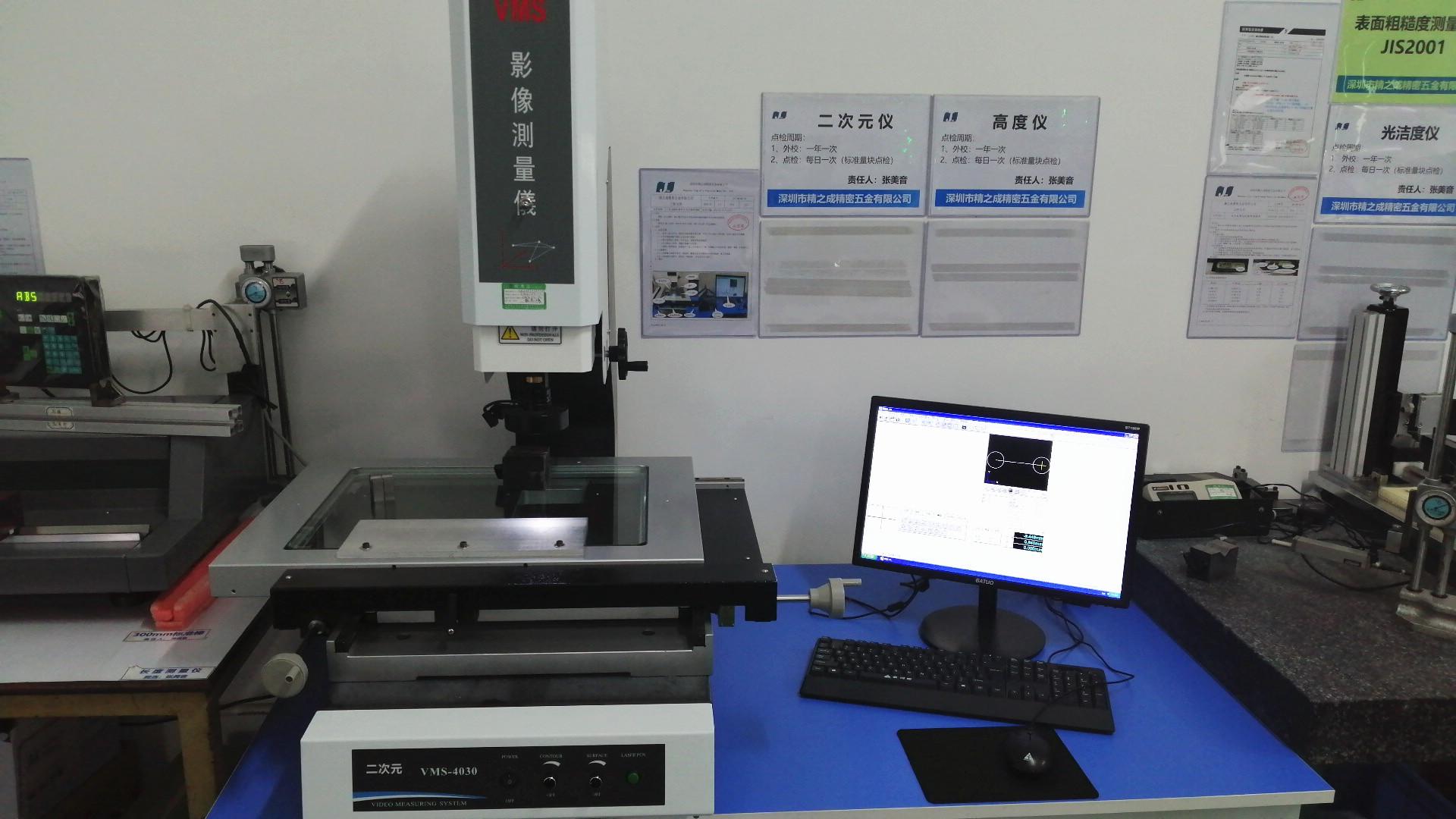
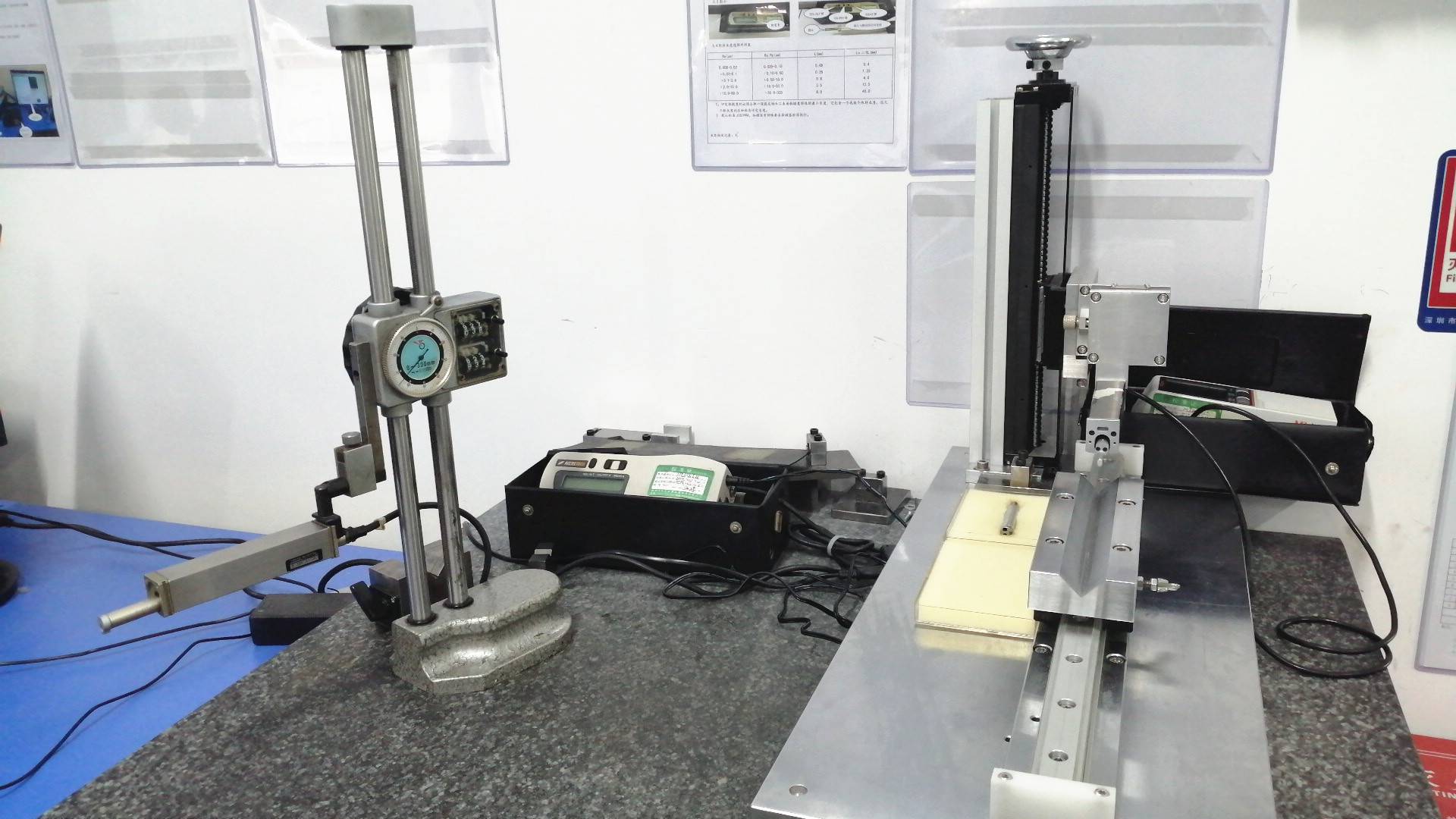
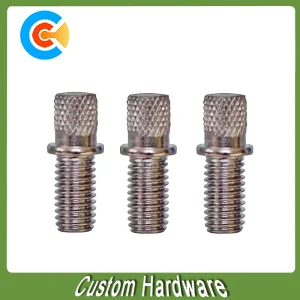
Our quality assurance protocol includes 100% mechanical screening of all implantable threads, surface roughness checks via our Surface Finish Measuring Instrument, and dynamic corrosion testing in our Precision Salt Spraying Tester. By utilizing two-dimensional projectors and high-definition CCD devices, we control manufacturing tolerances within a range of ±3 microns. Below is a glance inside our cleanroom inspection and packaging workshops, where sterilized items are processed under Class 10,000 (ISO Class 7) conditions.
For international medical device distributors, sourcing orthopedic consumables involves complex regulatory pathways. To facilitate smooth custom clearance and regional registrations, Shenzhen Weed Medical provides comprehensive regulatory dossiers including CE declarations, ISO 13485 quality system certificates, and FDA-standard biocompatibility test reports.
We support three primary B2B partnership pathways:
Our experienced international logistics department handles cold-chain, sterilized, or standard bulk shipping protocols. Every product is securely packed in double-layered Tyvek heat-sealed pouches, ensuring sterilization maintains its integrity over transit times of up to 5 years.
Addressing technical, material, and regulatory inquiries from international clinical directors, procurement specialists, and B2B buyers.
As digital health and surgery converge, Shenzhen Weed Medical is investing heavily in the integration of smart sensors into spinal implants to track real-time osteointegration and mechanical strain. This diagnostic feedback can inform clinicians of early fusion failure or instrumentation loosening prior to radiographic manifestation. Additionally, we are scaling our biomimetic 3D-printing division to offer cost-efficient, patient-specific implants globally, reducing operating times and improving patient comfort. By focusing on engineering excellence, regulatory compliance, and clinically proven materials, we continue to serve as a reliable, high-tier supplier for orthopedic distribution networks worldwide.
 Weed Orthopedic Implants