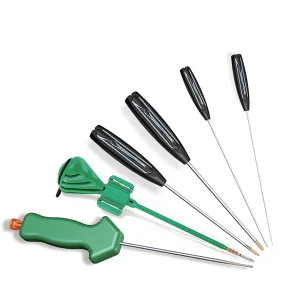
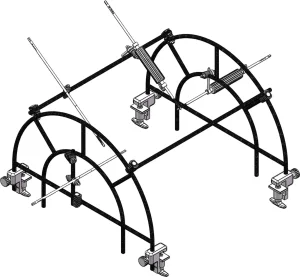
Explore our industry-leading surgical instrument sets, spinal systems, and trauma fixation innovations manufactured under strict international regulatory compliance.
A deep dive into supply chain optimization, semiconductor-grade precision in medical manufacturing, and emerging semantic trends in global healthcare procurement.
The global orthopedic and surgical restoration implants market has experienced paradigm shifts driven by technological convergence, stringent regulatory compliance, and increased demand for personalized patient care. As procurement officers, clinical directors, and hospital administrators search for reliable Top 10 Restoration Implants Factory & Suppliers, the emphasis has shifted from mere cost-efficiency to absolute supply chain transparency, biosecurity compliance, and clinical evidence-based efficacy.
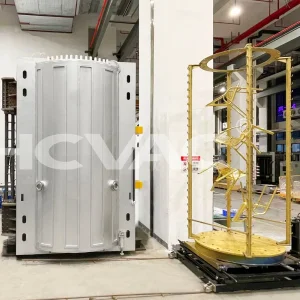
China has firmly established itself as the epicenter of advanced medical device manufacturing, supported by robust governmental backing, high-tech industrial parks, and integrated supply ecosystems. Leading enterprises like Shenzhen Weed Medical Apparatus Co., Ltd. bridge the gap between frontline clinical practice and advanced fabrication. By leveraging state-of-the-art CNC machining, vacuum plating PVD coating systems, and meticulous quality validation protocols, Chinese manufacturers deliver CE and ISO certified restoration implants that rival legacy Western brands while offering superior cost-to-performance ratios.
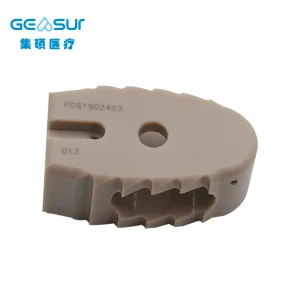
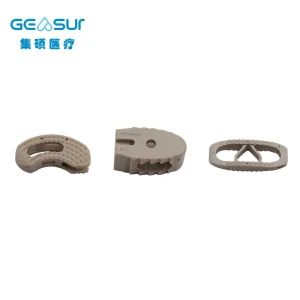
Modern restoration implants depend heavily on advanced material science. Titanium alloys (Ti-6Al-4V), high-performance PEEK (Polyetheretherketone), and bio-absorbable polymers form the trinity of contemporary implant design. PEEK cages with titanium plasma coatings offer optimal modulus of elasticity matching human cortical bone, reducing stress shielding while promoting accelerated osteointegration.
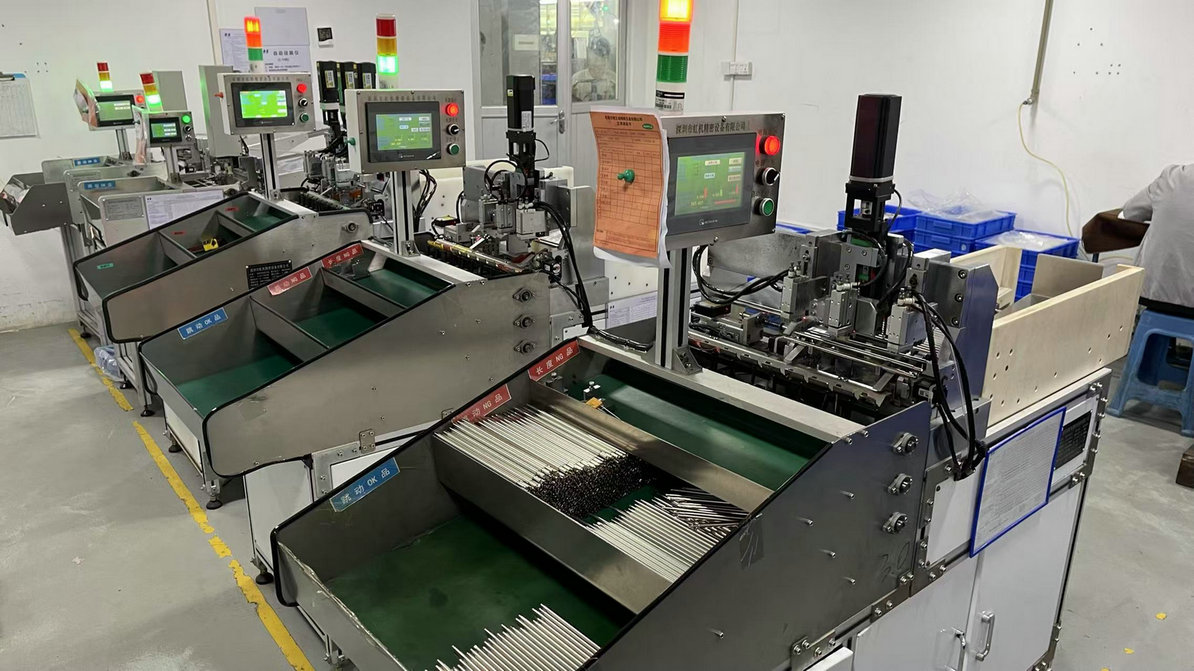
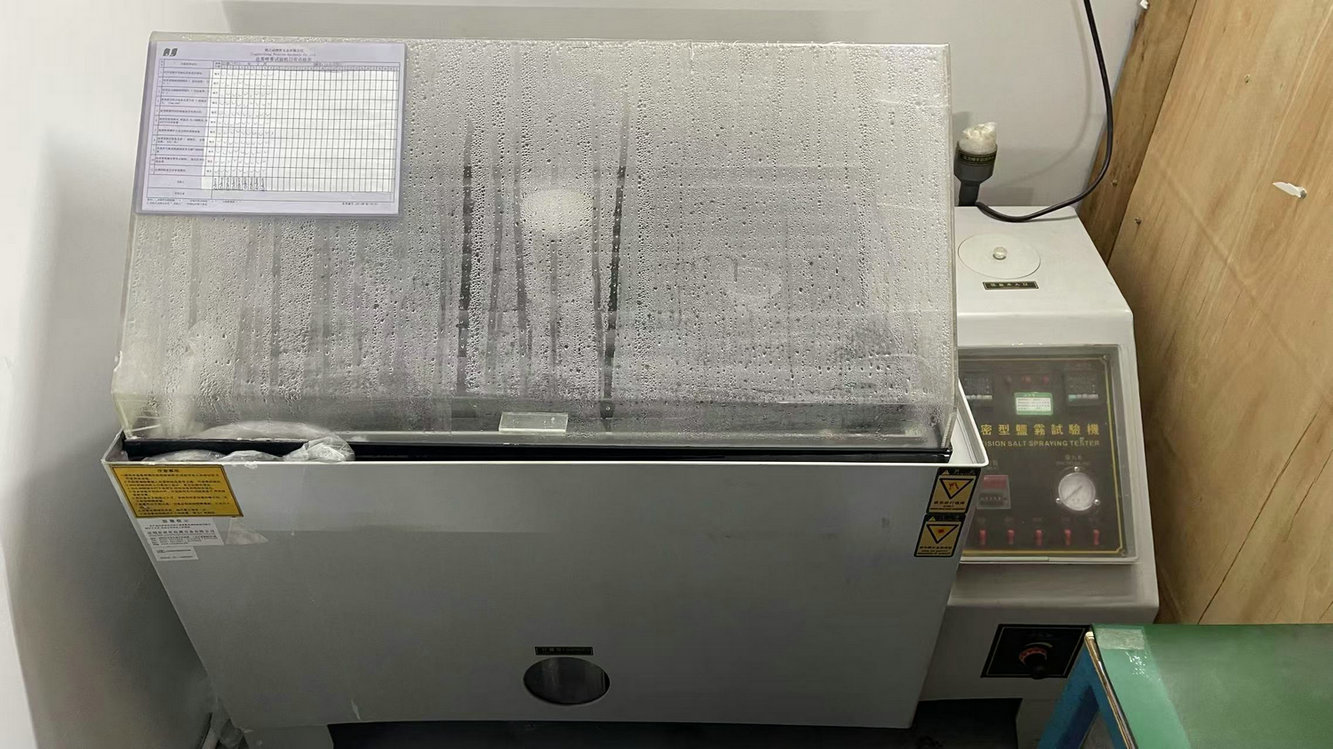
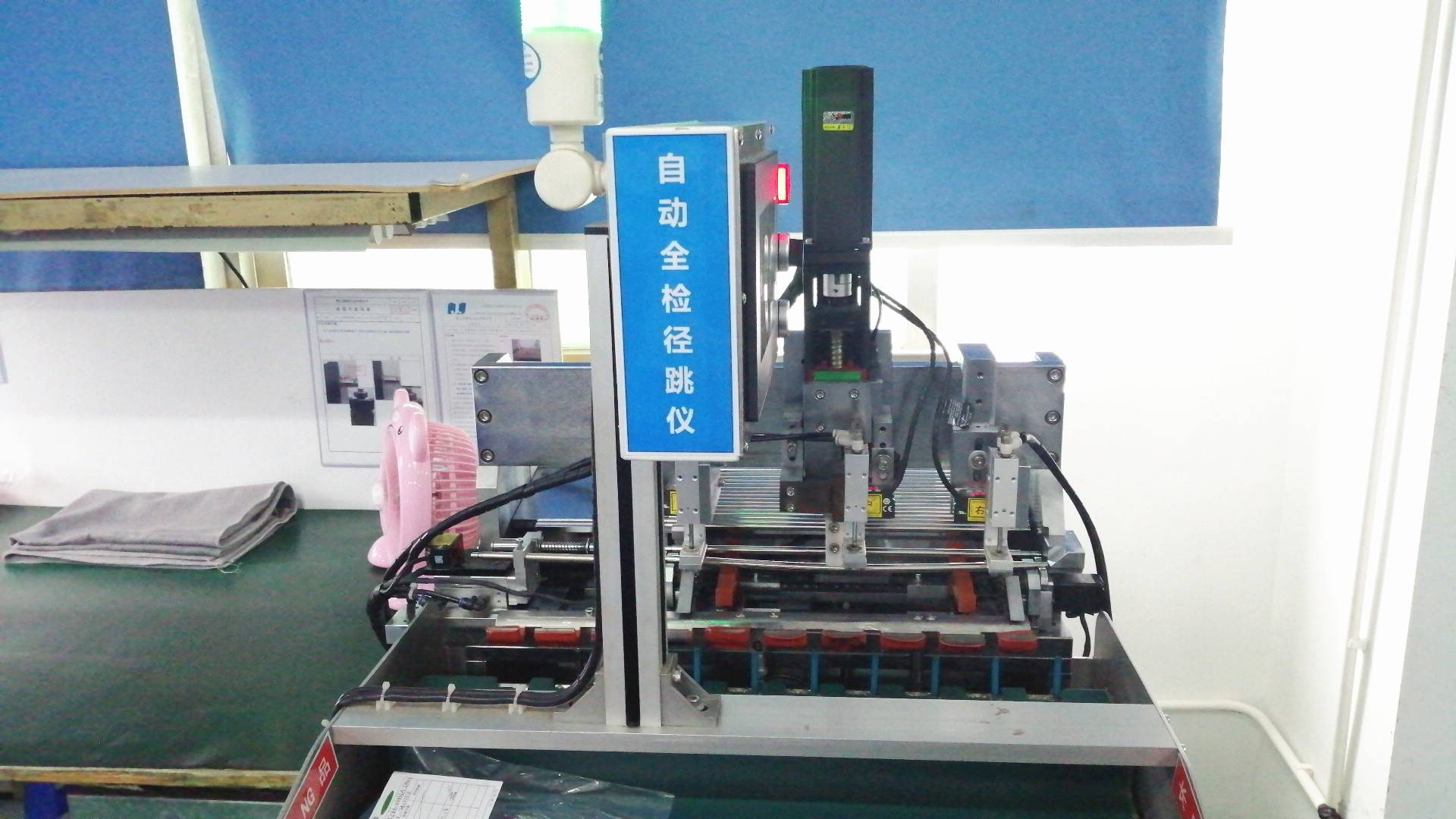
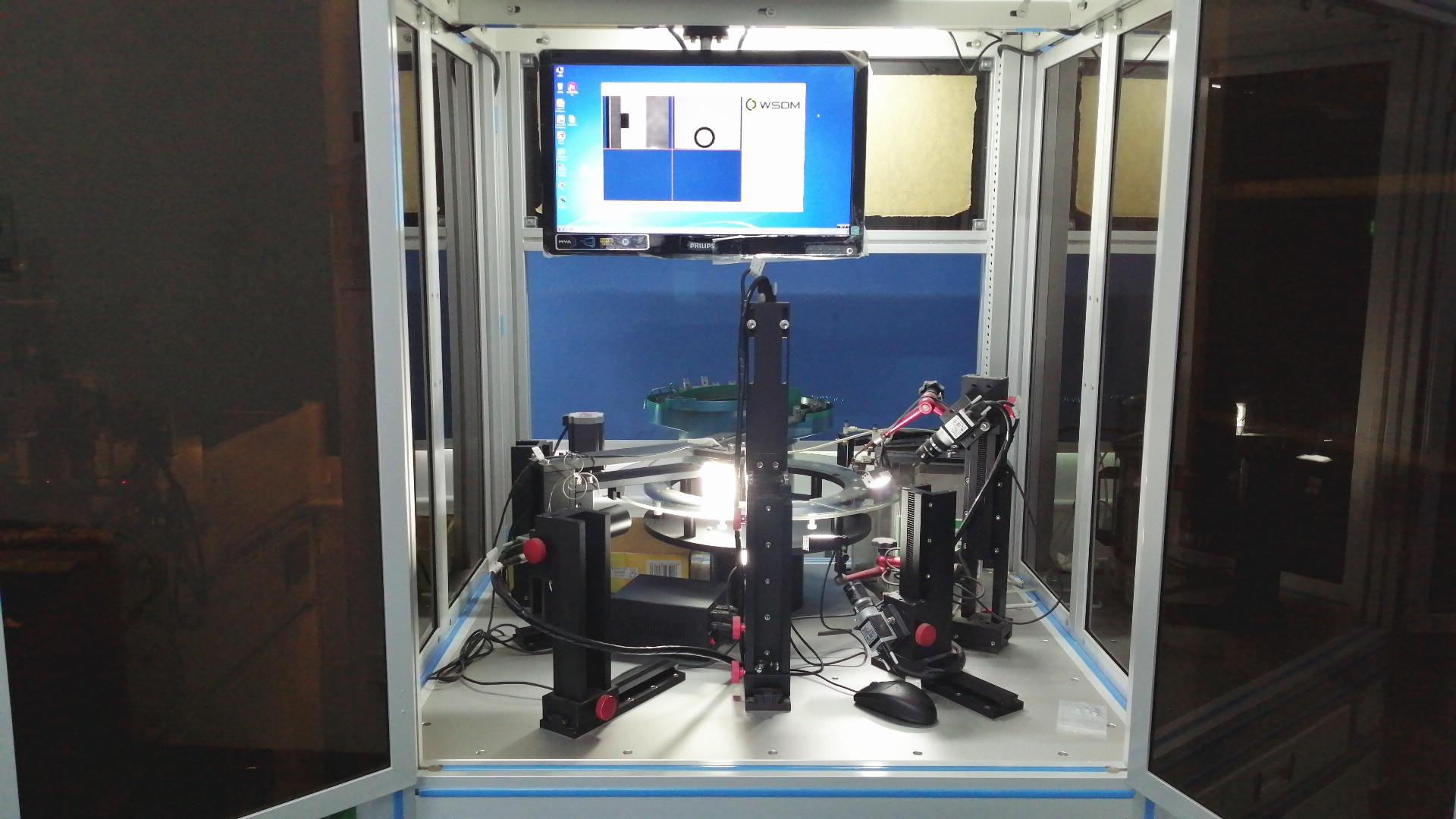
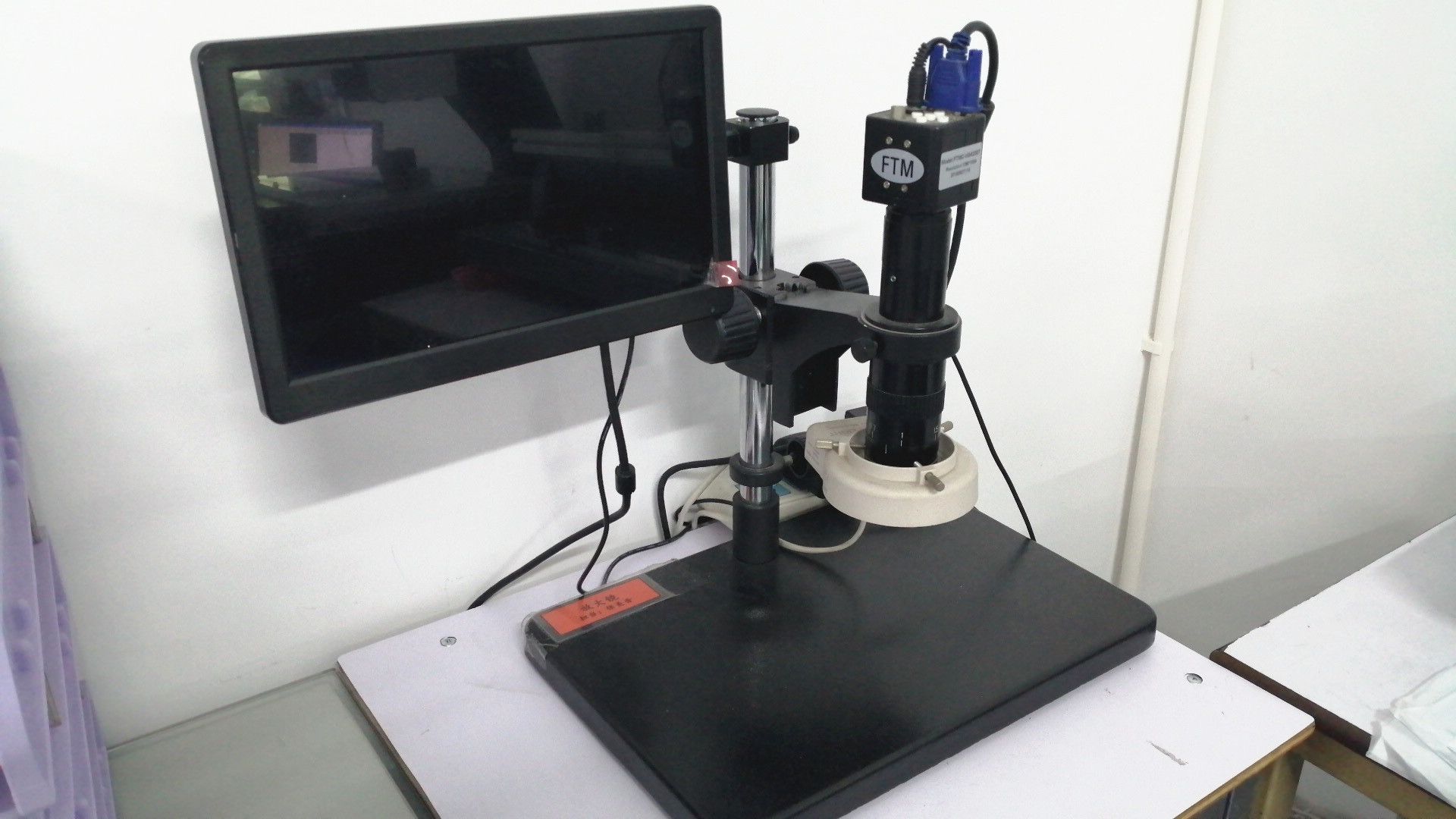
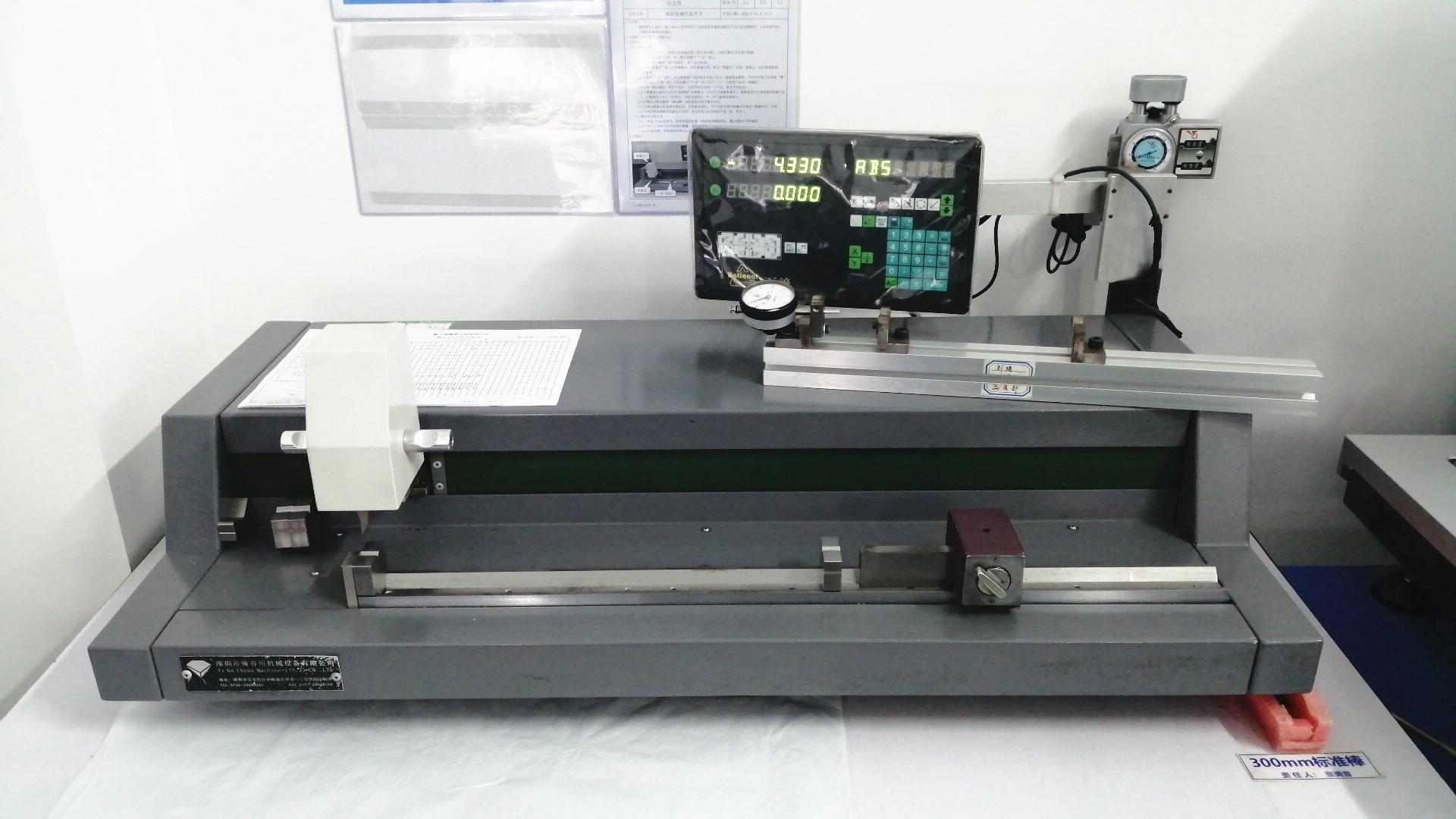
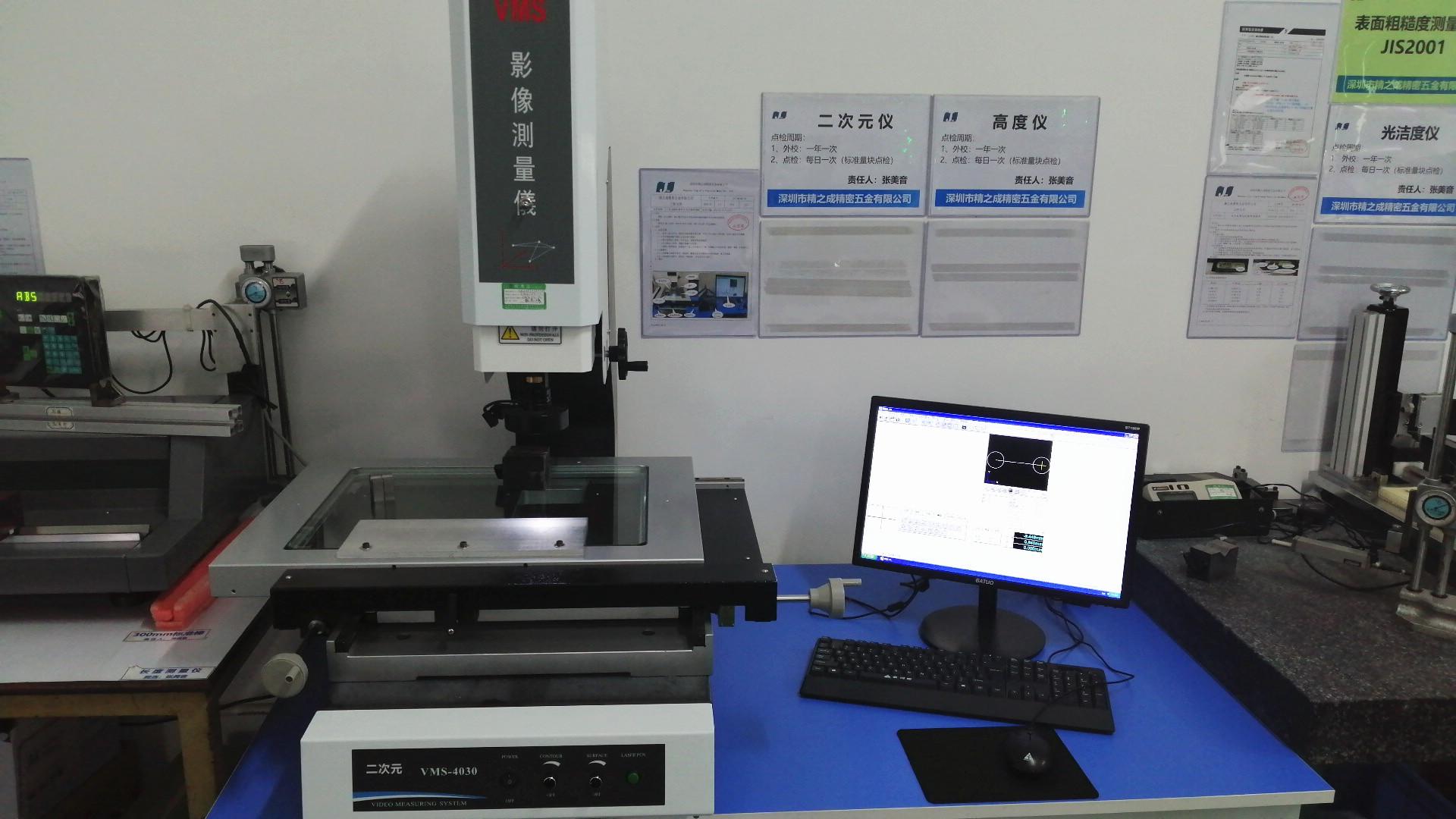
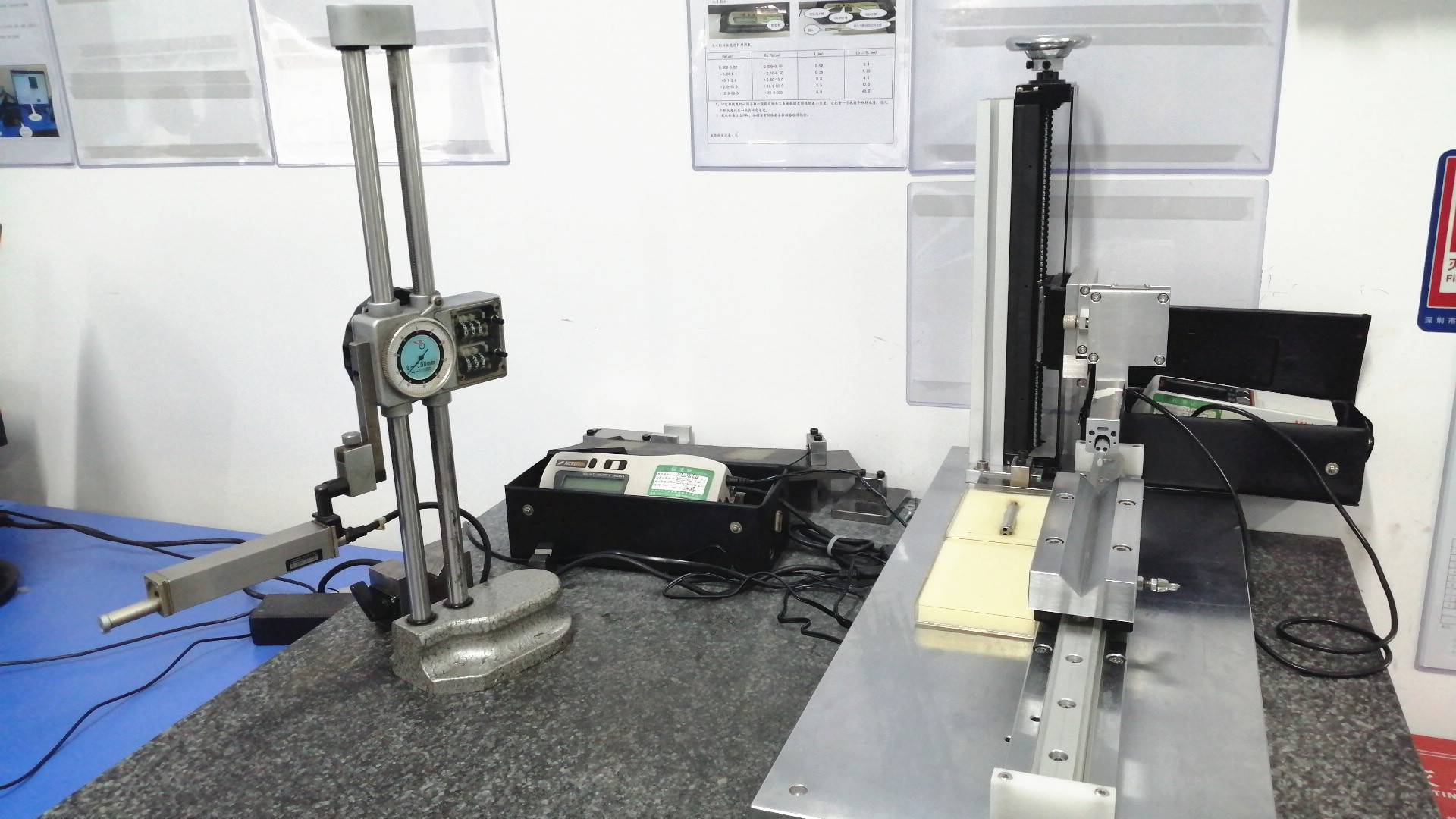
Furthermore, surface treatment technologies—such as vacuum plating and micro-arc oxidation—enhance corrosion resistance and bio-activity. Maintaining zero-defect manufacturing requires exhaustive multi-stage quality control mechanisms, utilizing high-tech measuring equipment from automatic detectors to precision salt spraying testers and two-dimensional projectors.
Established in 2015, delivering excellence in medical device distribution, collaborative clinical R&D, and global export infrastructure.

Shenzhen Weed Medical Apparatus Co., Ltd. primarily engages in the sales of advanced medical devices, maintaining in-depth business and technical cooperation with leading domestic and international consumable manufacturers. Most of its products boast technology and materials superior to industry standards.
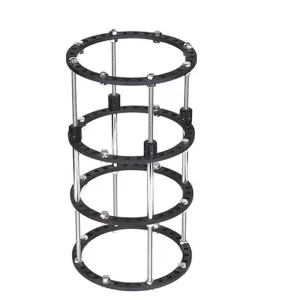
The company's operational model is strategically divided into direct sales and global distribution. Its comprehensive portfolio includes absorbable materials, shape memory alloys, 3D-printed orthopedic consumables, and external fixators utilized across over 200 hospitals in Sichuan Province alone. By fostering close partnerships with university professors, clinical surgeons, and hospital experts, Weed Medical systematically identifies clinical pain points to co-develop superior next-generation surgical solutions.
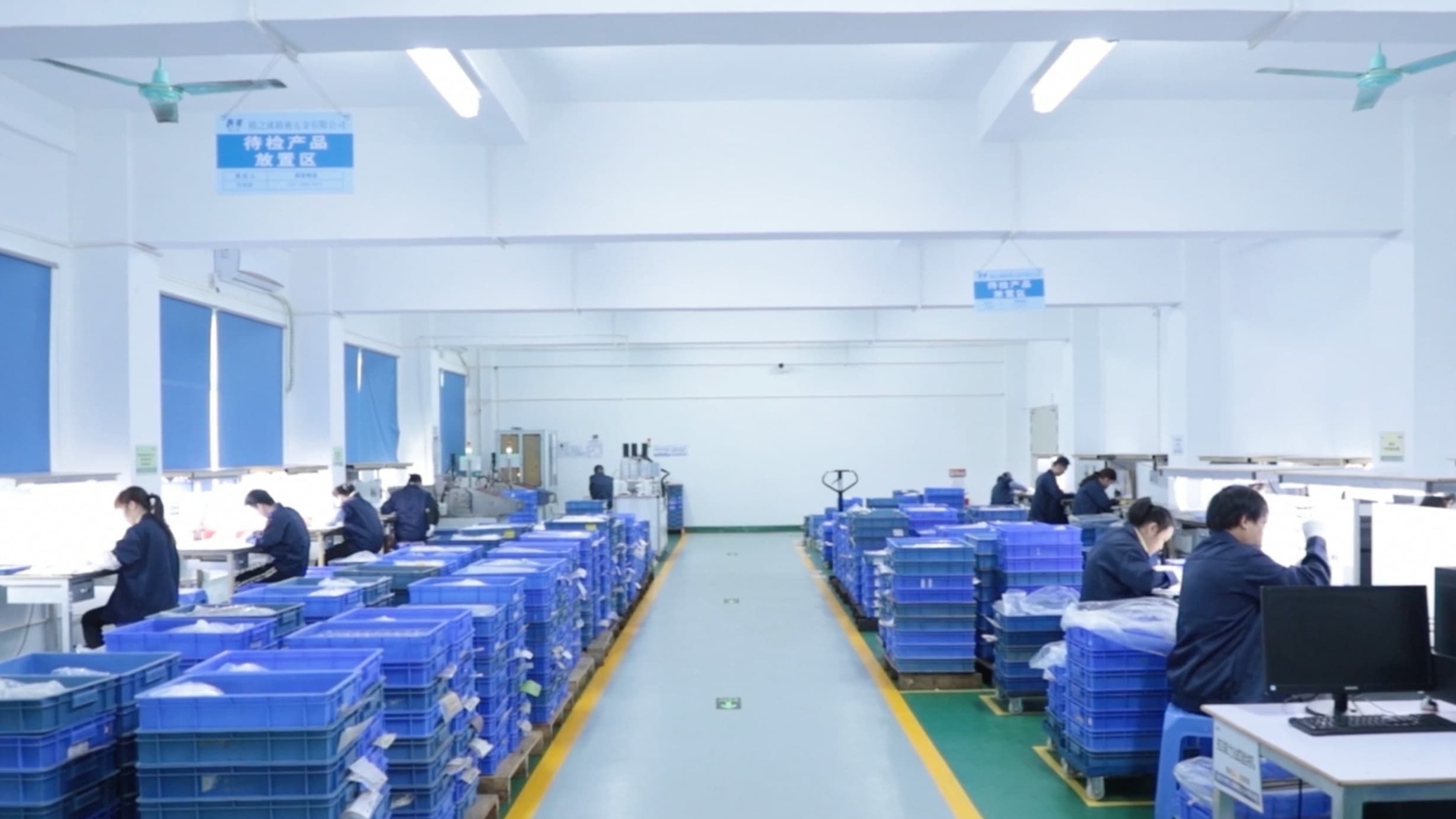
Zero tolerance for defects. Our state-of-the-art inspection workshop ensures every restoration implant meets stringent international medical standards.

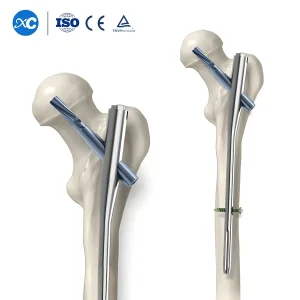
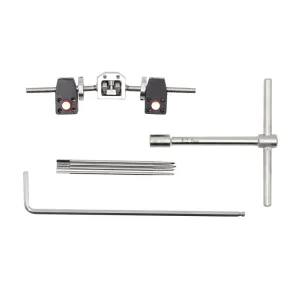
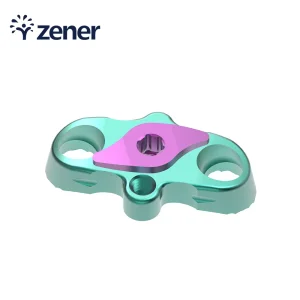
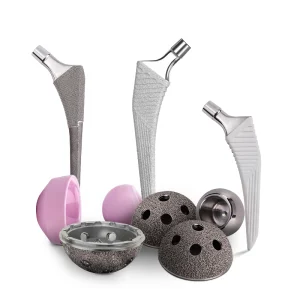
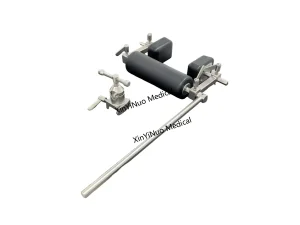
Browse our complete catalogue of titanium-coated lumbar cages, total joint replacements, suture anchors, and specialized external fixators.
Expert answers regarding global sourcing, regulatory compliance, customization, and logistical support for restoration implants.
Top-tier suppliers must maintain ISO 13485 (medical devices quality management systems), CE marks for European market entry, and rigorous FDA compliance or local regulatory approvals. Shenzhen Weed Medical operates under stringent audit guidelines to ensure complete traceability from raw material procurement to final sterile packaging.
Utilizing premium medical-grade raw materials such as ASTM-compliant titanium alloys and medical PEEK, manufacturers employ advanced surface treatments (like titanium plasma coating and PVD vacuum plating) combined with precision testing (such as salt spray corrosion testing and radial jump measurements) to guarantee superior biocompatibility and longevity.
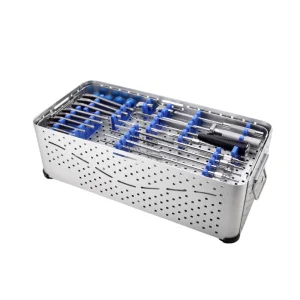
Yes. Leveraging in-depth collaboration with university professors, frontline clinical surgeons, and 3D-printing technologies, leading factories routinely support OEM/ODM customization for patient-specific anatomical requirements and specialized surgical instrument trays.
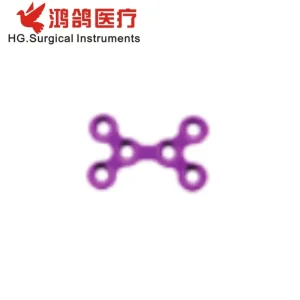
Standard catalog items (such as PEEK fusion cages, locking bone plates, and trauma nails) typically require 2 to 4 weeks for production and sterilization testing. Custom or OEM development projects generally range from 6 to 10 weeks depending on regulatory documentation and prototyping phases.
 Weed Orthopedic Implants