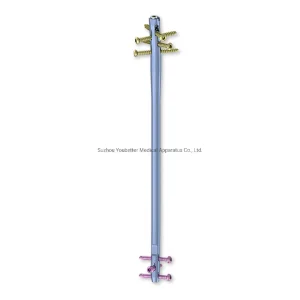
Explore our top-tier surgical instruments, external fixators, and high-tensile orthopedic implants manufactured for elite clinical accuracy.
Osteotomy—the surgical cutting, reshaping, or lengthening of bone—demands surgical instruments of exceptional mechanical integrity, metallurgical purity, and geometric accuracy. Whether correcting congenital deformities, managing osteoarthritis through joint preservation techniques (such as high tibial osteotomy), or reconstructing complex skeletal structures following high-energy trauma, the margins of error are virtually non-existent. A deviation of a single millimeter or degree can jeopardize structural alignment, impair bone consolidation, and compromise long-term clinical outcomes.
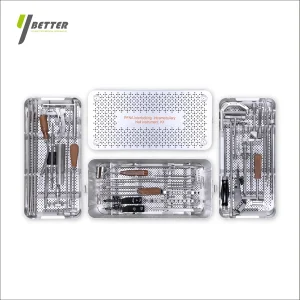
To mitigate these risks, modern healthcare systems, surgery centers, and global distributors rely heavily on specialized osteotomy instruments factories. Leading manufacturers combine state-of-the-art computer numerical control (CNC) machining with rigorous metallurgical selection to produce osteotomes, bone chisels, surgical saws, and internal/external fixation devices that perform reliably under high mechanical loads. Modern osteotomy protocols demand specialized tools optimized for specific skeletal sites, including pelvis, femur, tibia, and cranio-maxillofacial frameworks.

Deep technical partnership, shape-memory material innovations, and robust academic collaborations define our market authority.
Established in 2015, Shenzhen Weed Medical Apparatus Co., Ltd. engages in high-precision medical device sales, maintaining close technical and business cooperation with elite domestic and international consumable manufacturers. The products we distribute feature advanced technology and premium materials that exceed industry baselines.
With a solid commercial distribution network, our major surgical consumables—spanning absorbable materials, shape memory alloys, 3D-printed orthopedic consumables, and external fixators—are actively utilized across more than 200 hospitals in Sichuan Province, cultivating an excellent reputation among medical institutions.
Our R&D and engineering teams work directly with university professors, medical experts, and frontline clinical surgeons. By gathering feedback on products during clinical use, our technical department collaborates with manufacturers and experts to develop practical solutions for common surgical challenges.
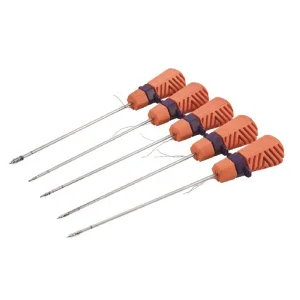
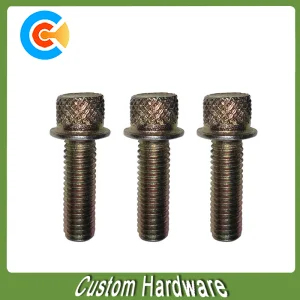
E-E-A-T Demonstration: Our engineering philosophy is based on real-world clinical experience. We analyze feedback loop cycles from more than 200 medical centers in China, translating surgeon suggestions into tangible optimizations—such as modified screw threads and optimized instrument handle textures—to improve clinical outcomes.
How localized technological integration, advanced material clusters, and specialized machining drive quality and cost efficiency.
China's medical-grade alloy manufacturing infrastructure is highly advanced. Operating near raw material processing centers for Titanium Alloy (Ti-6Al-4V ELI) and Cobalt-Chromium-Molybdenum (Co-Cr-Mo) allows factories to secure certified biomaterials with lower lead times and reduced transport overheads.
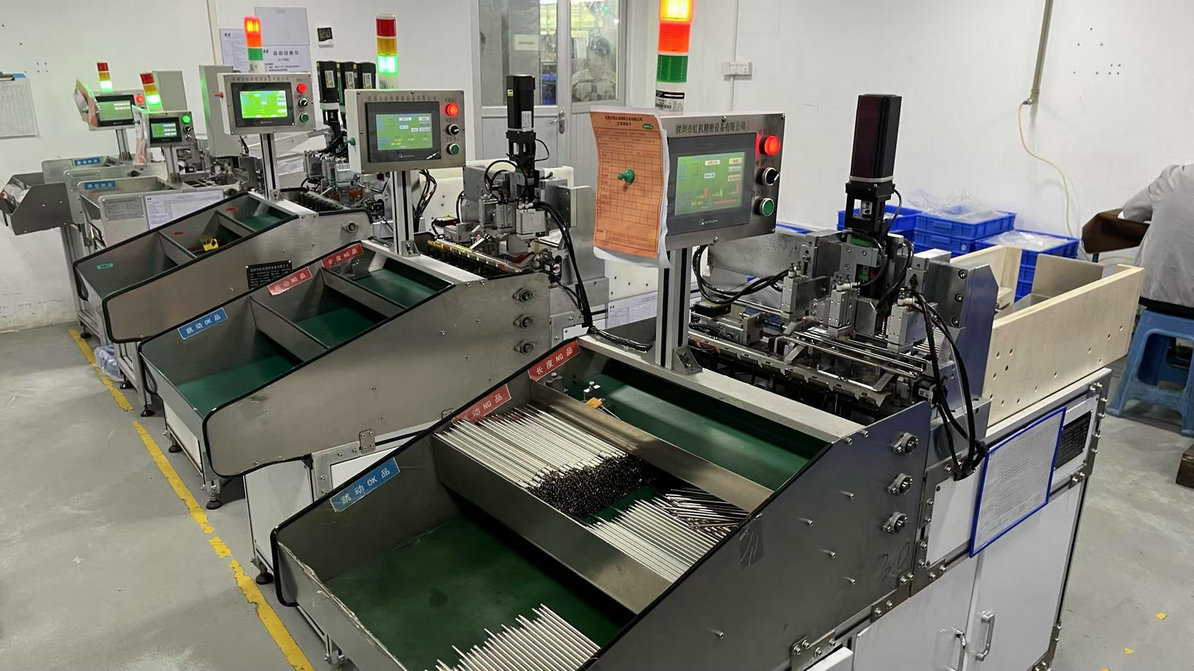
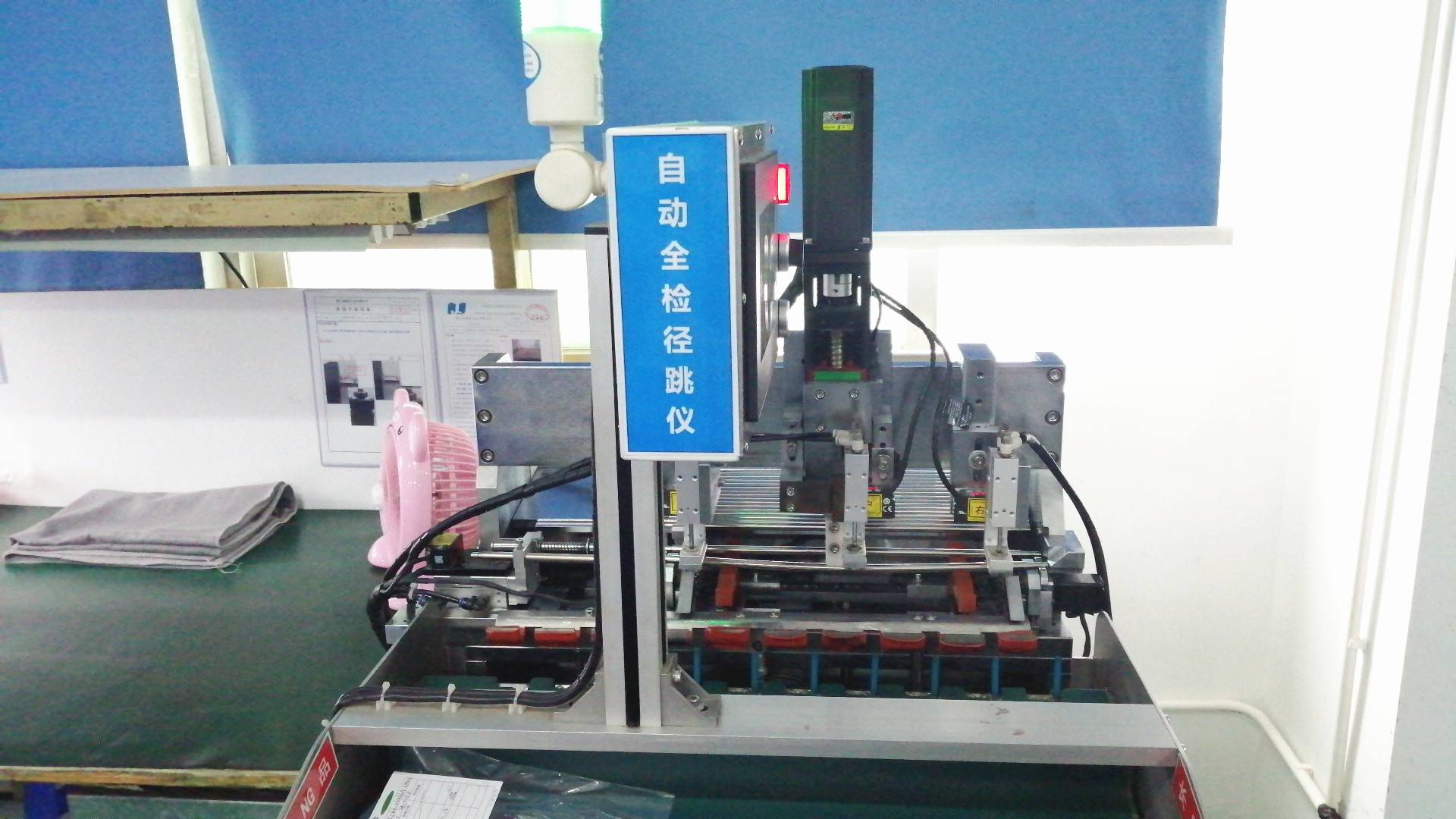
Modern osteotomy tools require multi-axis high-speed CNC milling and Swiss-type lathes to achieve micron-level tolerances. High-volume production capability in China allows factories to amortize setup costs across large runs, delivering precision components at competitive rates.
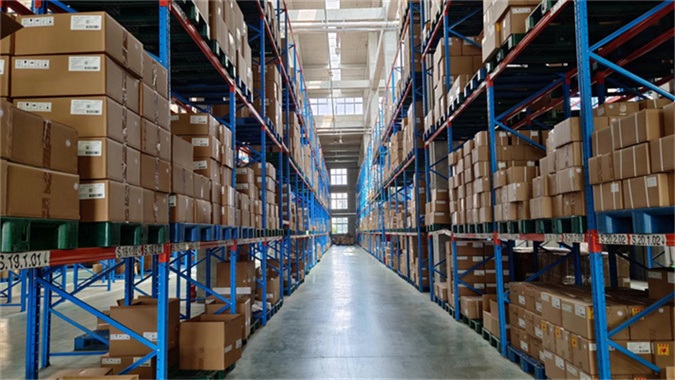
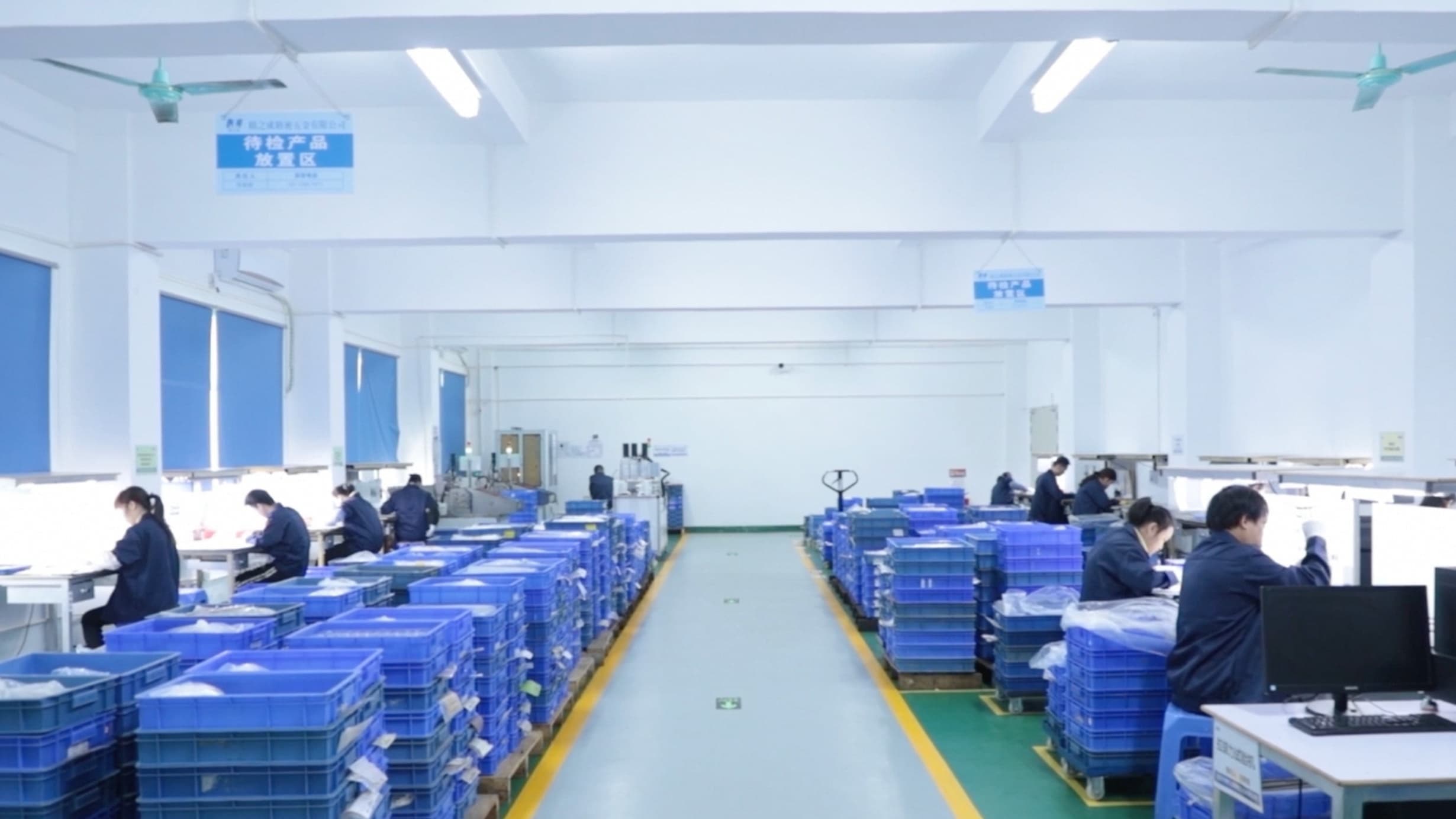
From surface treatment (anodization, electropolishing, and passivation) to cleanroom assembly (Class 100,000 / ISO 8 standard cleanrooms) and sterile packaging, China's supply chains offer complete solutions under one roof, reducing contamination risks during mid-process logistics.
Chinese export manufacturers offer flexible OEM and ODM services. Rapid prototyping with 3D metal printing (Direct Metal Laser Sintering - DMLS) and custom tooling adjustment allows global buyers to customize instruments to match regional surgical practices.
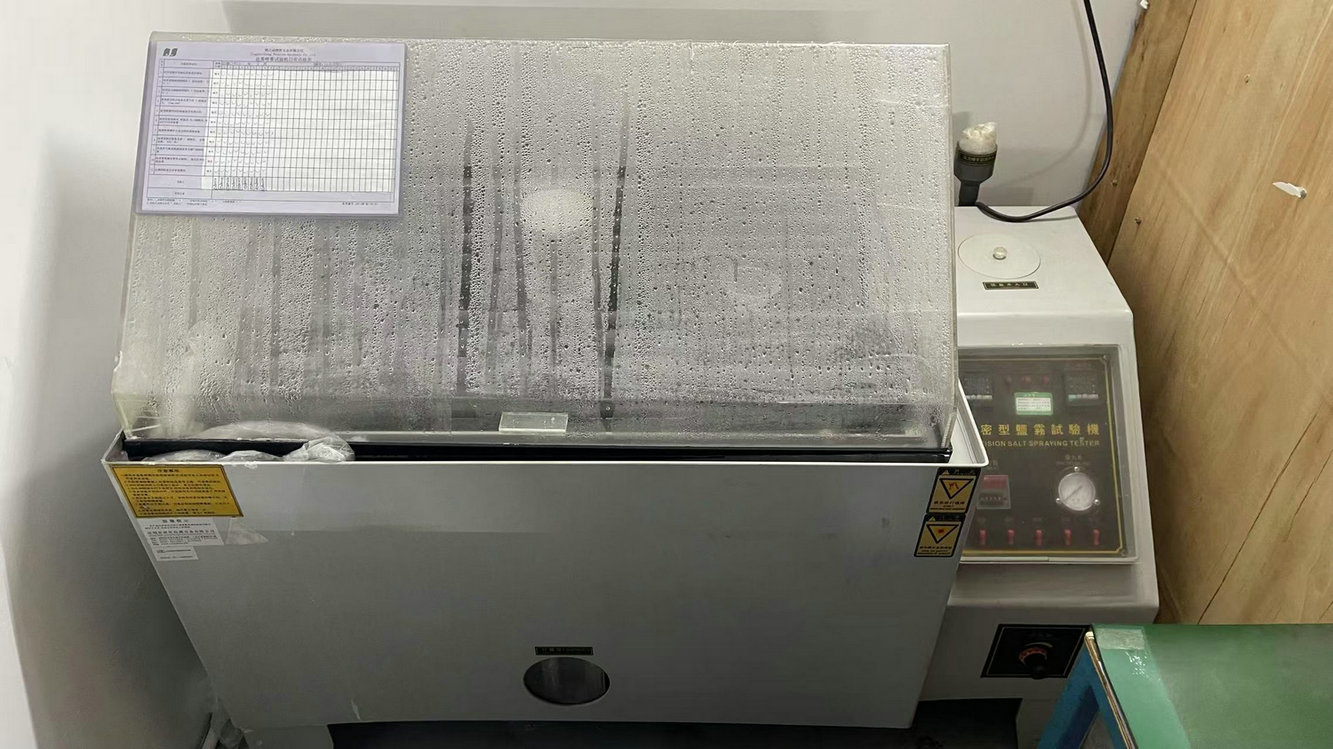
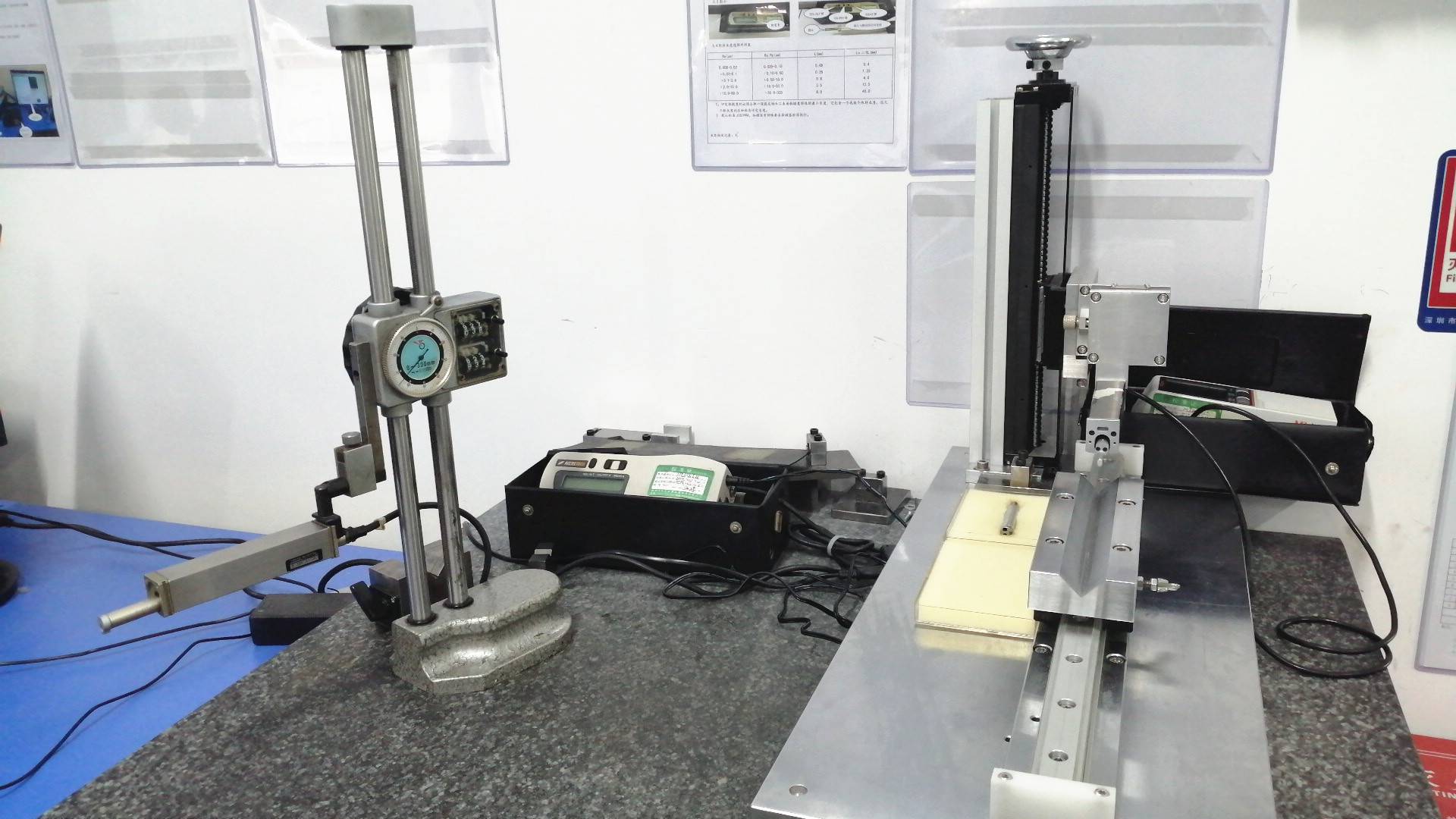
Verifying mechanical tolerances and chemical stability via state-of-the-art testing equipment before clinical deployment.
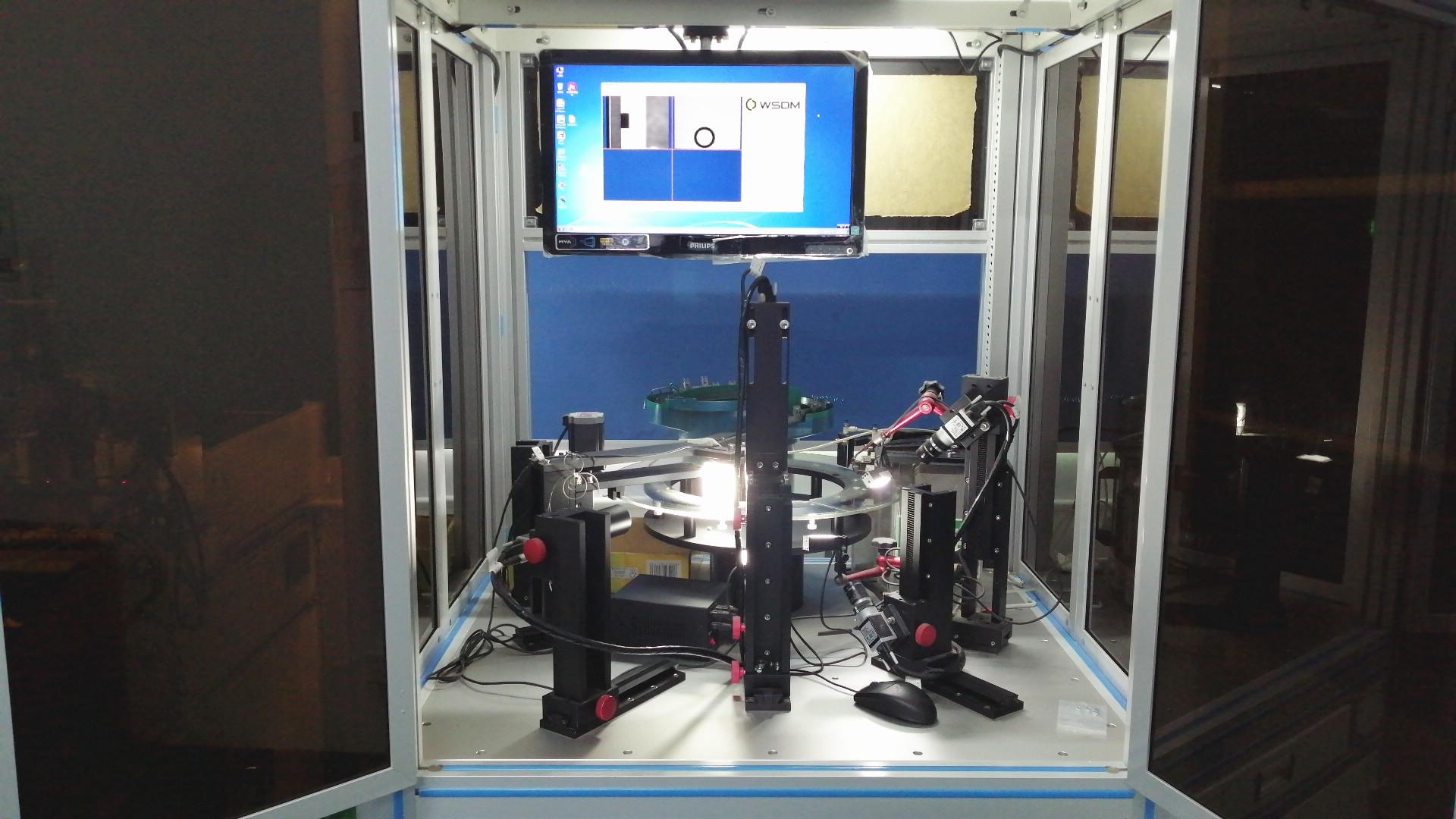
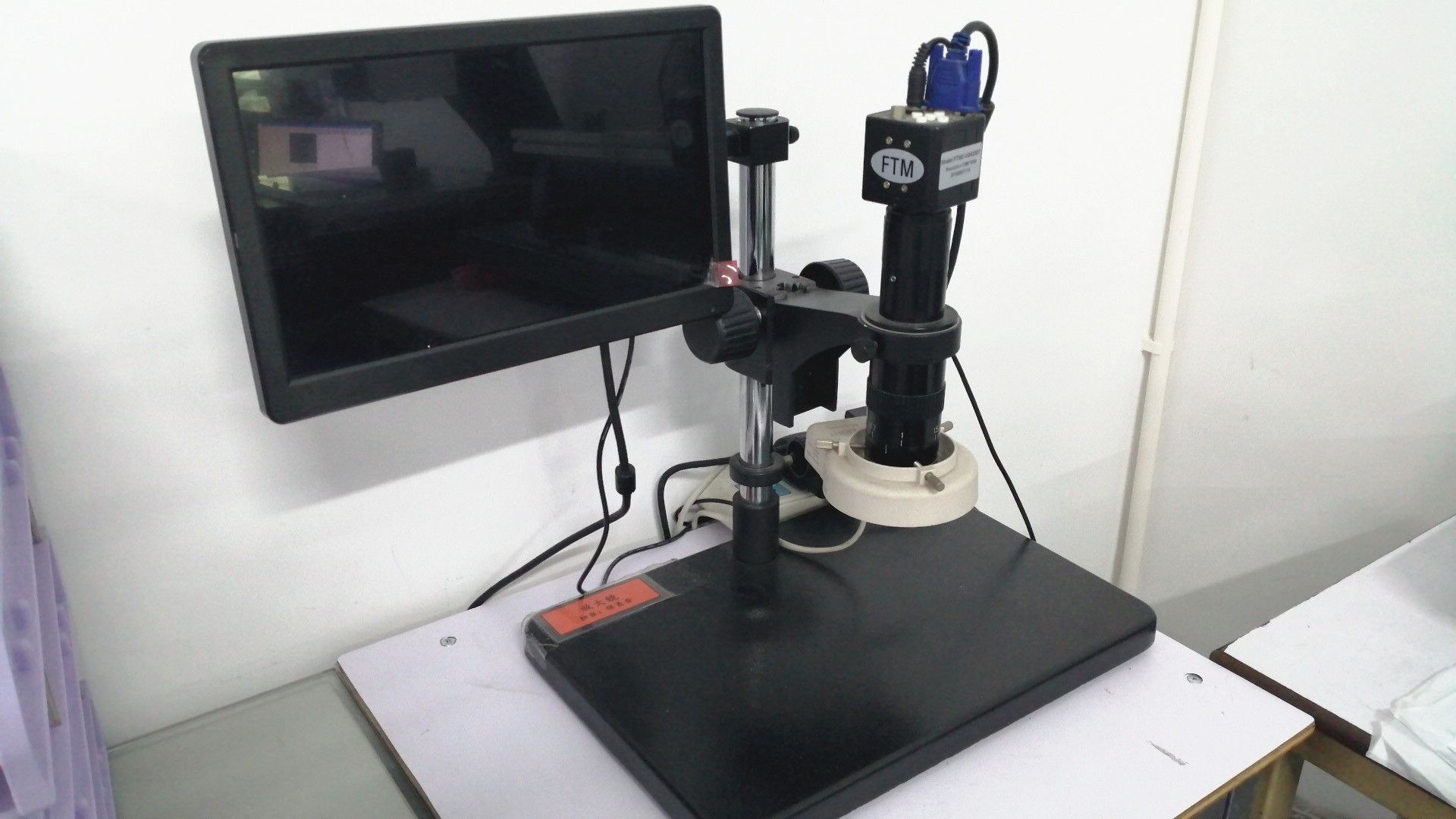
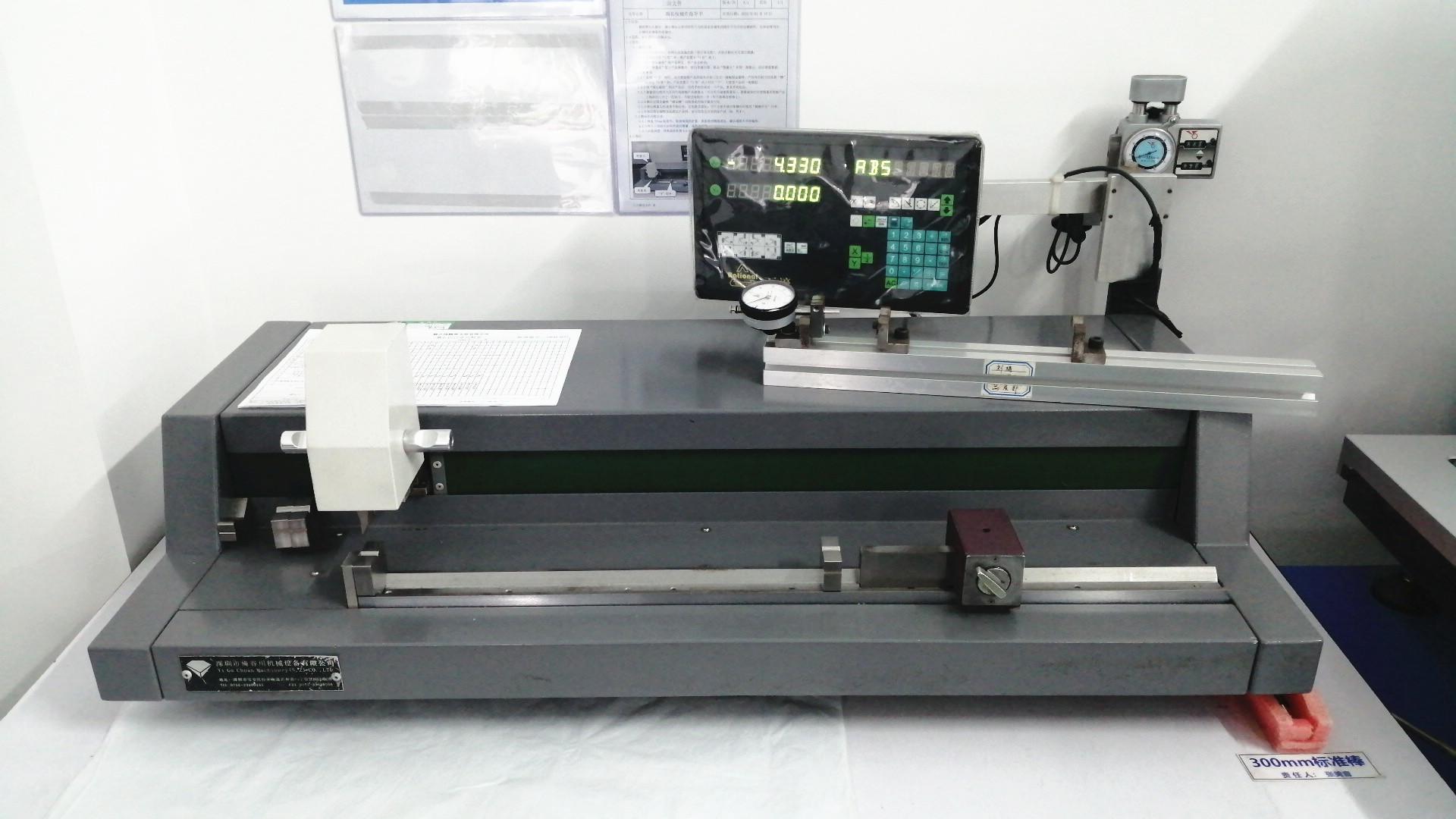
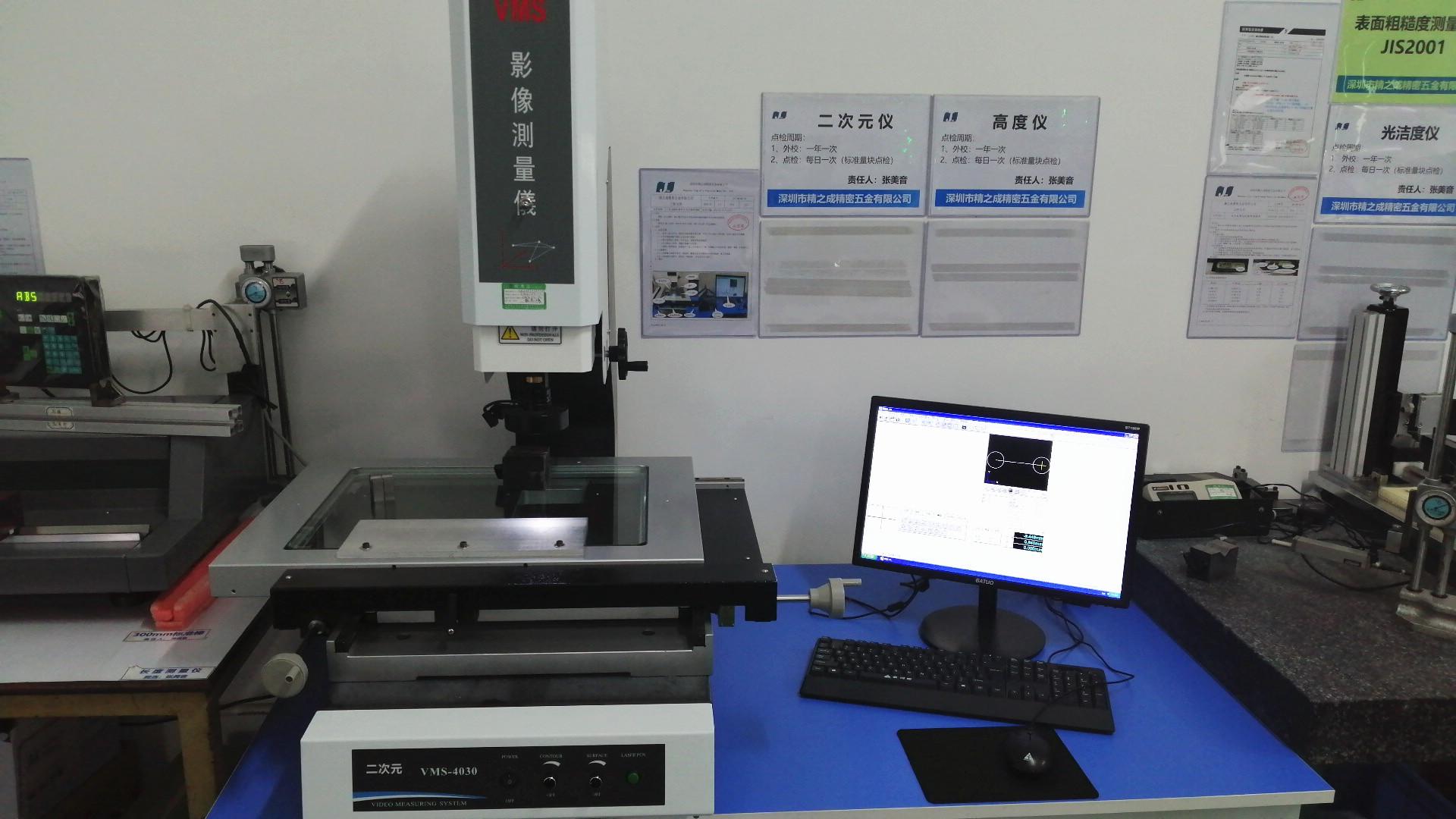
Navigating complex international medical device regulations to ensure seamless distribution and clinical clearance.
Our products are manufactured under strict ISO 13485 quality systems. Implants and core surgical instrumentation are designed to comply with CE MDR (Medical Device Regulation) standards and FDA guidelines, simplifying validation processes for international partners.
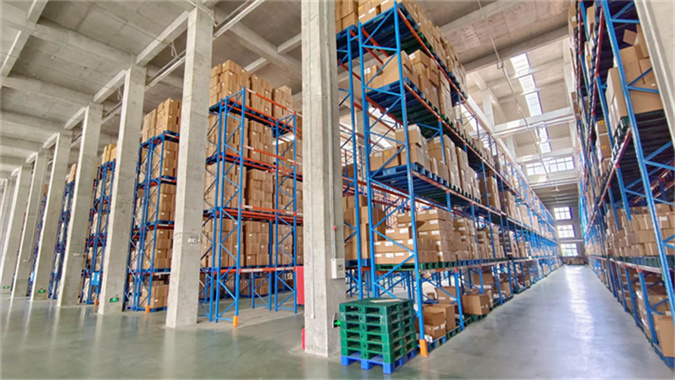
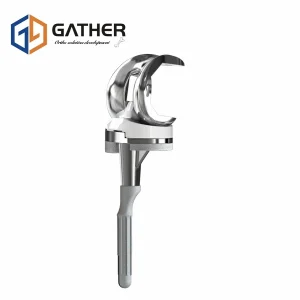
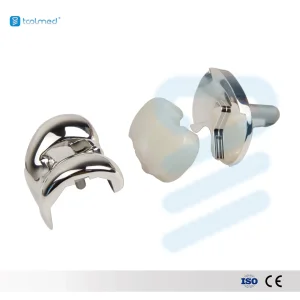
We optimize localized distribution networks to ensure secure transport. For sterile implants—such as Class III knee prostheses and bio-absorbable rotator cuff suture anchors—we implement protective barriers and climate tracking systems to ensure sterility upon hospital delivery.
In critical regions, including Sichuan Province, we maintain technical support structures. Medical representatives assist clinical staff, ensuring that complex assemblies like the Ilizarov Ring External Fixator are sterilized, calibrated, and applied correctly.
Understanding practical environments, force mechanics, and specific structural applications.
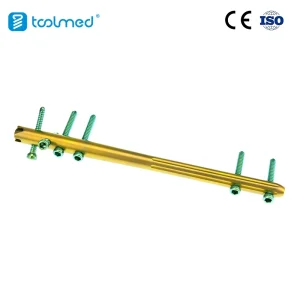
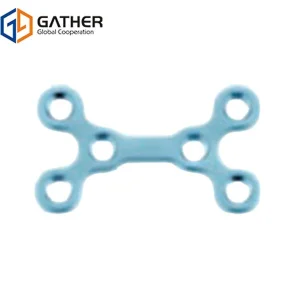
High Tibial Osteotomy (HTO) and Distal Femoral Osteotomy (DFO) call for precise cut execution. Utilizing our specialized guide plates, anatomical plates, and rigid external fixation systems, surgeons can correct varus or valgus deformities. This preserves the native knee joint and delays or avoids the need for arthroplasty.
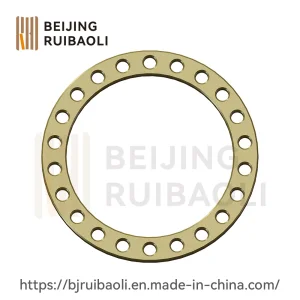
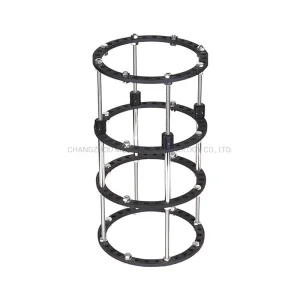
For segmental bone loss, non-unions, and limb length discrepancies, the Ilizarov External Fixator-Aluminum Alloy Full Ring system provides stable multi-planar fixation. Ring components maintain structural stability while enabling incremental distraction osteogenesis, allowing new bone to form under tension.
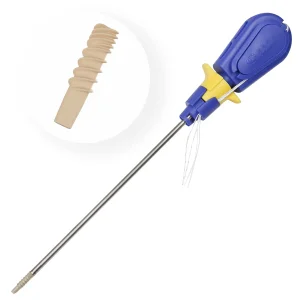
In arthroscopic shoulder reconstructions, stability and precise anchoring are critical. Our specialized PEEK Suture Anchors and Titanium Suture Anchor Systems allow surgeons to secure soft tissue to bone, facilitating biological healing in rotator cuff and labral repairs.
How digital integration and advanced biomaterials are shaping the next generation of osteotomy systems.
Patient-Specific Instruments (PSI) created via 3D metal printing allow surgeons to design custom cutting jigs tailored to a patient's CT scans. This technique reduces intraoperative step adjustments and shortens overall surgical times.
Biodegradable fixation devices reduce the need for secondary implant removal procedures. Developing mag-alloys and advanced PLA/PGA polymers allows implants to temporarily support bone healing before safely degrading in the body.
Integrating micro-strain sensors into external fixators enables real-world telemetry of bone healing. This allows clinical teams to monitor distraction callus formation and optimize weight-bearing guidelines remotely.
Expert technical insights regarding material grades, quality control methods, and regulatory processes.
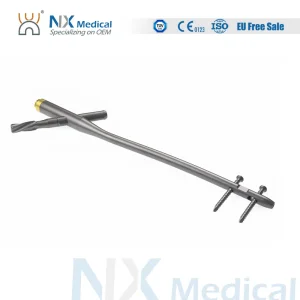
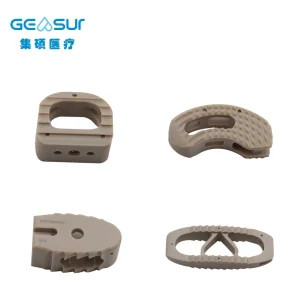
Explore our specialized intramedullary systems, joint replacement components, and reconstruction solutions.
 Weed Orthopedic Implants