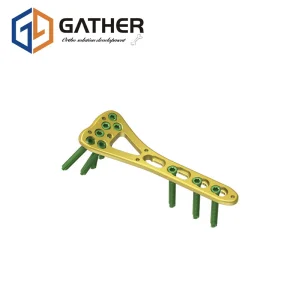
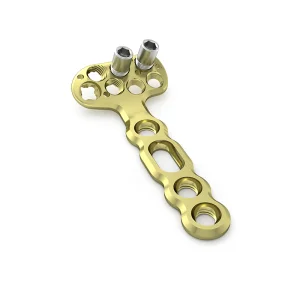
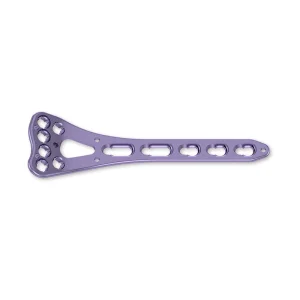
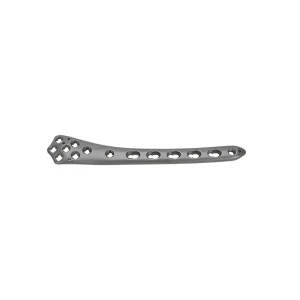
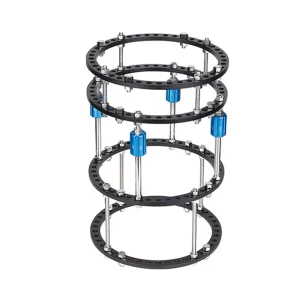
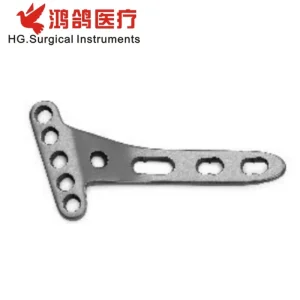
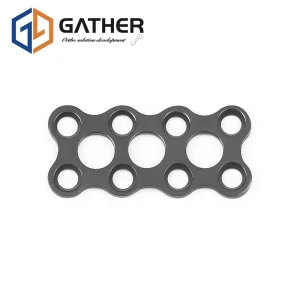
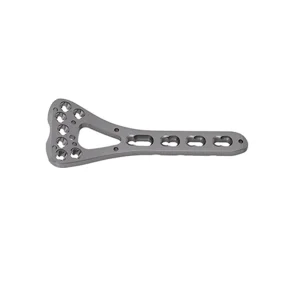
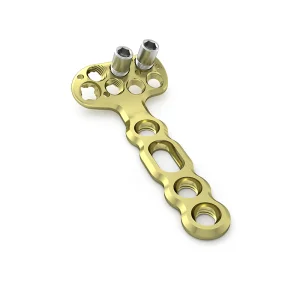
The global market for Distal Tibia Locking Plates has witnessed significant expansion over the last decade. As one of the most critical components in orthopedic trauma surgery, these plates are essential for treating complex pilon fractures and distal tibial shaft fractures. The surge in demand is primarily driven by the increasing incidence of road traffic accidents, sports-related injuries, and the aging global population, which is more prone to osteoporosis-related fractures.
Technologically, the industry has transitioned from traditional dynamic compression plates to sophisticated locking compression systems. This shift has revolutionized clinical outcomes, especially in comminuted fractures where traditional fixation often fails. Current industrial trends emphasize anatomical pre-contouring, allowing surgeons to achieve better reduction without extensive intraoperative bending, thereby reducing surgical time and improving patient recovery rates.

The orthopedic industry is currently being reshaped by several key technological trends:
Featured Product:
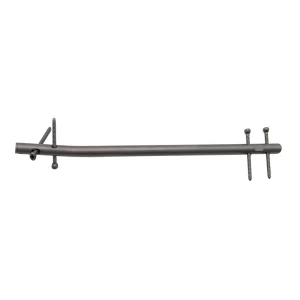
Our Intramedullary Nail systems provide the perfect balance between stability and biological healing.
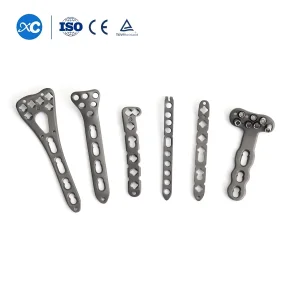
International distributors and hospital procurement departments are increasingly looking for reliable OEM/ODM Distal Tibia Locking Plate factories in China. The primary requirements include ISO 13485 certification, CE marking, and the ability to produce high-precision implants at scale. We address these needs by combining cost-efficient manufacturing with world-class engineering.
Featured Product:
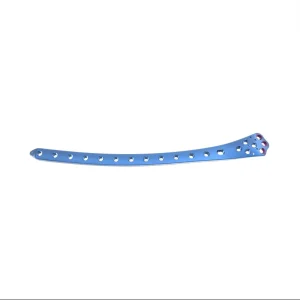
Variable Angle LCP Distal Femoral Locking Plate - Engineering for complex distal fractures.
Shenzhen Weed Medical Apparatus Co., Ltd. is not just a manufacturer; we are your strategic partner in orthopedic innovation. Established in 2015, we have integrated R&D with frontline clinical insights from over 200 hospitals. Our OEM and ODM services are characterized by:
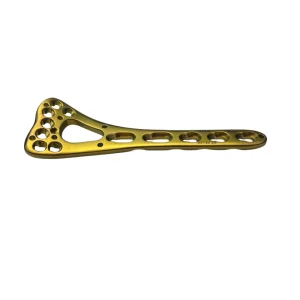
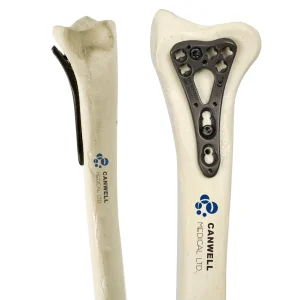
The Distal Tibia Locking Plate is designed specifically to address the unique anatomy of the lower leg. The medial side of the distal tibia has minimal soft tissue coverage, making plate profile and surface finish critical for patient comfort and skin viability. Our plates feature a low-profile design with rounded edges and a highly polished or anodized surface to minimize soft tissue irritation.
One of our core innovations lies in the Locking Compression Plate (LCP) technology. This system combines the advantages of traditional compression with the stability of an internal fixator. For osteoporotic bone, the locking screws provide a "fixed-angle" construct that does not rely on plate-to-bone friction, significantly reducing the risk of primary and secondary loss of reduction. Furthermore, our Variable Angle (VA) technology allows for a 30-degree cone of screw angulation, giving surgeons the flexibility to target specific bone fragments while maintaining the benefits of a locking construct.
Our factory utilizes high-precision anodization processes, creating a bio-inert surface that prevents cold welding of screws and improves the overall biocompatibility of the implant. Whether it is for a complex intra-articular pilon fracture or a simple distal shaft break, our plates provide the rigid stability required for early mobilization, which is the cornerstone of modern orthopedic recovery protocols.
In regions like Sichuan Province, China, where we have a dominant market presence in over 200 hospitals, our products are used daily in diverse clinical settings. From high-altitude trauma centers to specialized sports medicine clinics, our Distal Tibia Locking Plates have proven their durability and ease of use.
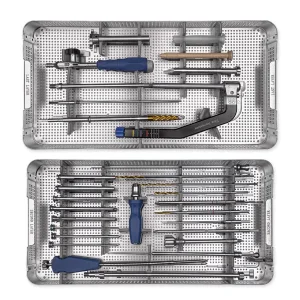
Clinicians favor our systems because of the expert instrumentation provided alongside the implants. A locking plate is only as good as the tools used to install it. Our kits include high-torque drivers, precision drill guides, and specialized reduction forceps that simplify the surgical workflow. By collaborating closely with frontline clinical staff, we have optimized the "feel" of our instruments, ensuring that every screw engagement is tactile and secure.
This "frontline-first" approach has led to our 14 patents, focusing on improvements that actually matter in the operating room—such as improved screw-head engagement to prevent stripping and optimized plate geometry for the Asian anatomy, which often requires smaller, more contoured designs compared to Western counterparts.
"The reliability of Weed Medical's distal plates has significantly reduced our re-operation rates for distal tibial fractures. Their commitment to material quality and anatomical fit is evident in the postoperative X-rays."
 Weed Orthopedic Implants