Explore our initial suite of clinical-grade implants and instrumentation. Developed in collaboration with top medical faculties, these components leverage shape-memory alloys, ultra-clean titanium, and advanced biocompatible PEEK polymers to guarantee exceptional surgical outcomes.
The global joint replacement industry is undergoing a structural paradigm shift driven by demographic aging, the rise of minimally invasive surgery (MIS), and the urgent demand for affordable, high-quality medical device alternatives. Today, hospital procurement units and tier-1 distributors look beyond simple price metrics to focus on biological compatibility, long-term implant survival, and modular sterilization packaging.
According to recent clinical white papers, the incorporation of 3D-printed porous titanium and PEEK (Polyetheretherketone) biomaterials has revolutionized bone ingrowth properties. Traditional chrome-cobalt materials are rapidly being supplemented by custom-configured shape-memory alloys and advanced polymer constraint liners. These innovations allow surgeons to minimize bone removal, execute highly stable press-fit integrations, and substantially reduce patient recovery times.
"Smart orthopedics and predictive engineering are changing the sourcing landscapes. Digital tracking of surgical kits, paired with custom-designed biomechanical structures, ensures that medical supplies meet strict patient-specific criteria."

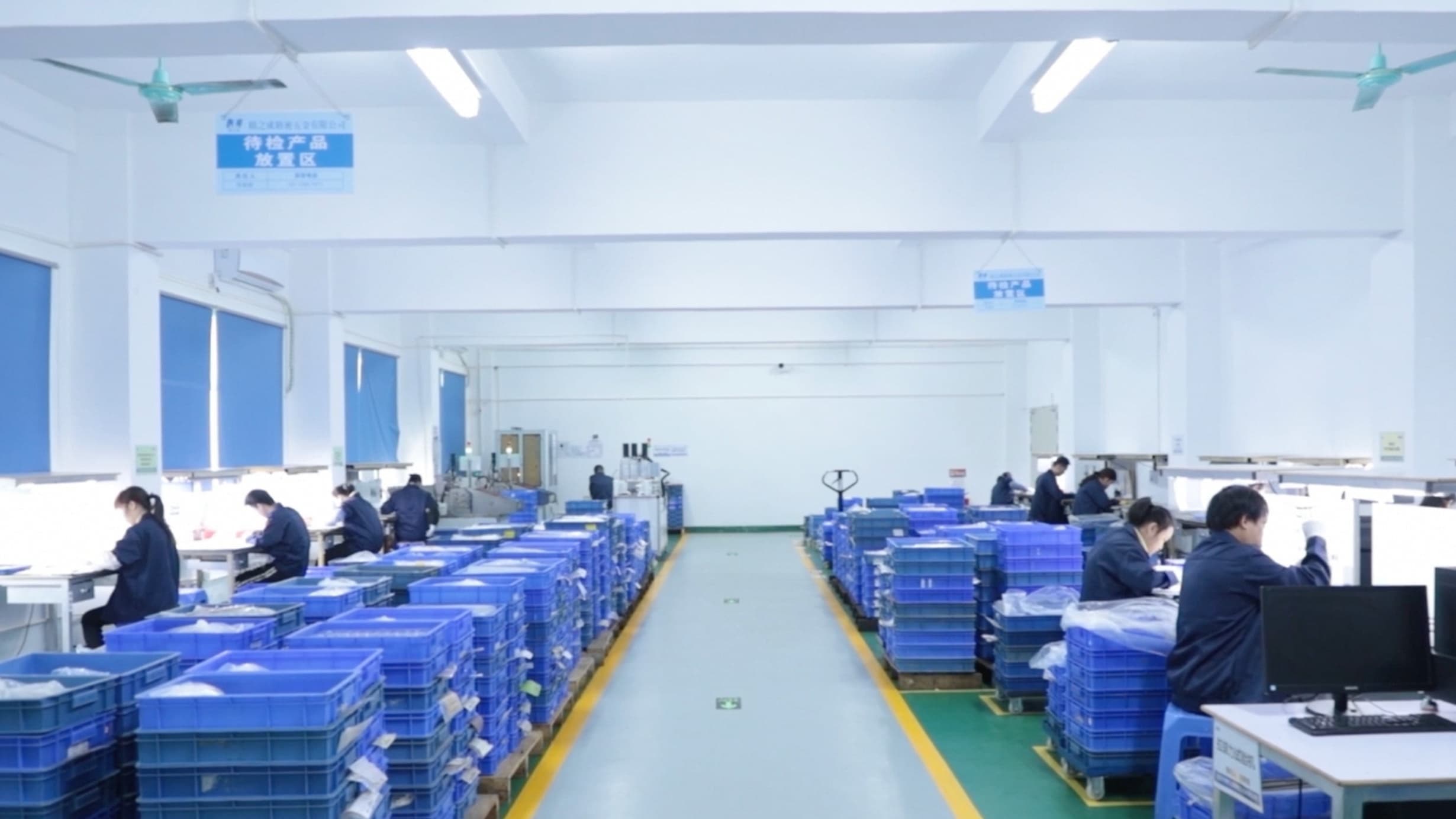
For international medical OEMs and regional healthcare providers, partnering with advanced Chinese manufacturers offers unparalleled efficiency and regulatory compliance. Modern Chinese medical manufacturing has evolved from basic assembly to high-precision, automated cleanrooms designed under ISO 13485 guidelines. By leveraging localized supply chains and end-to-end metallurgical capabilities, these factories provide rapid scaling without sacrificing quality.
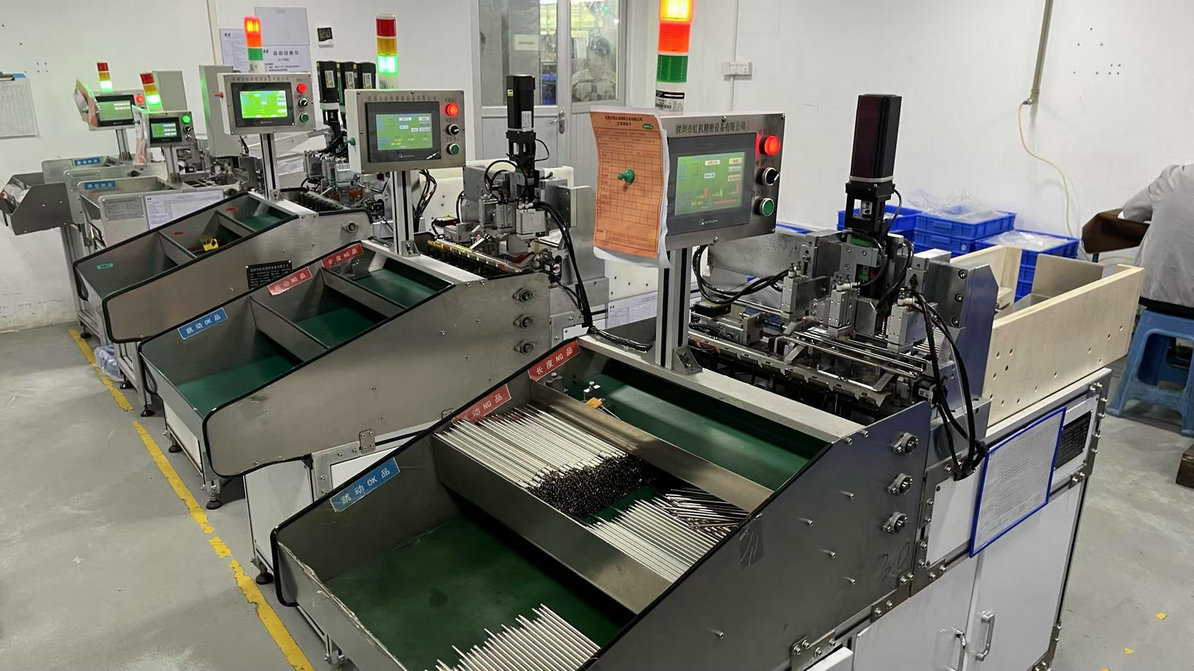
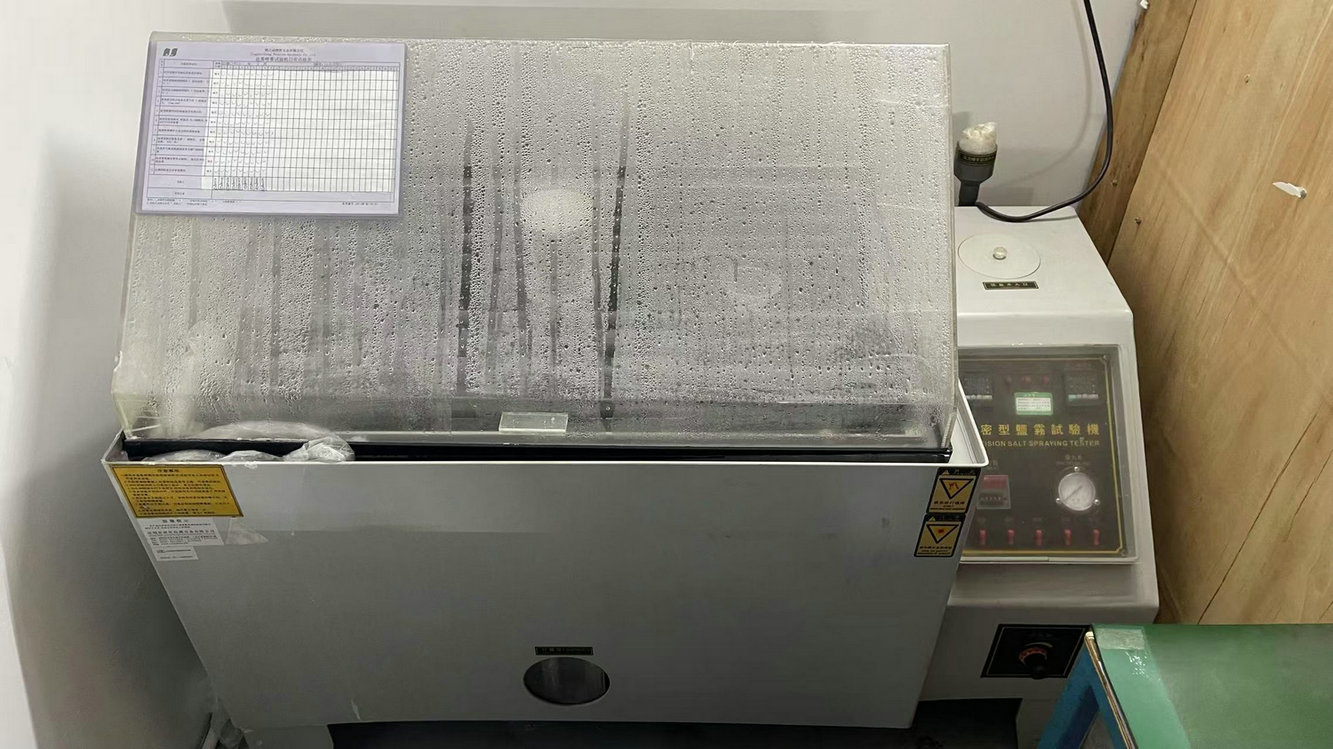
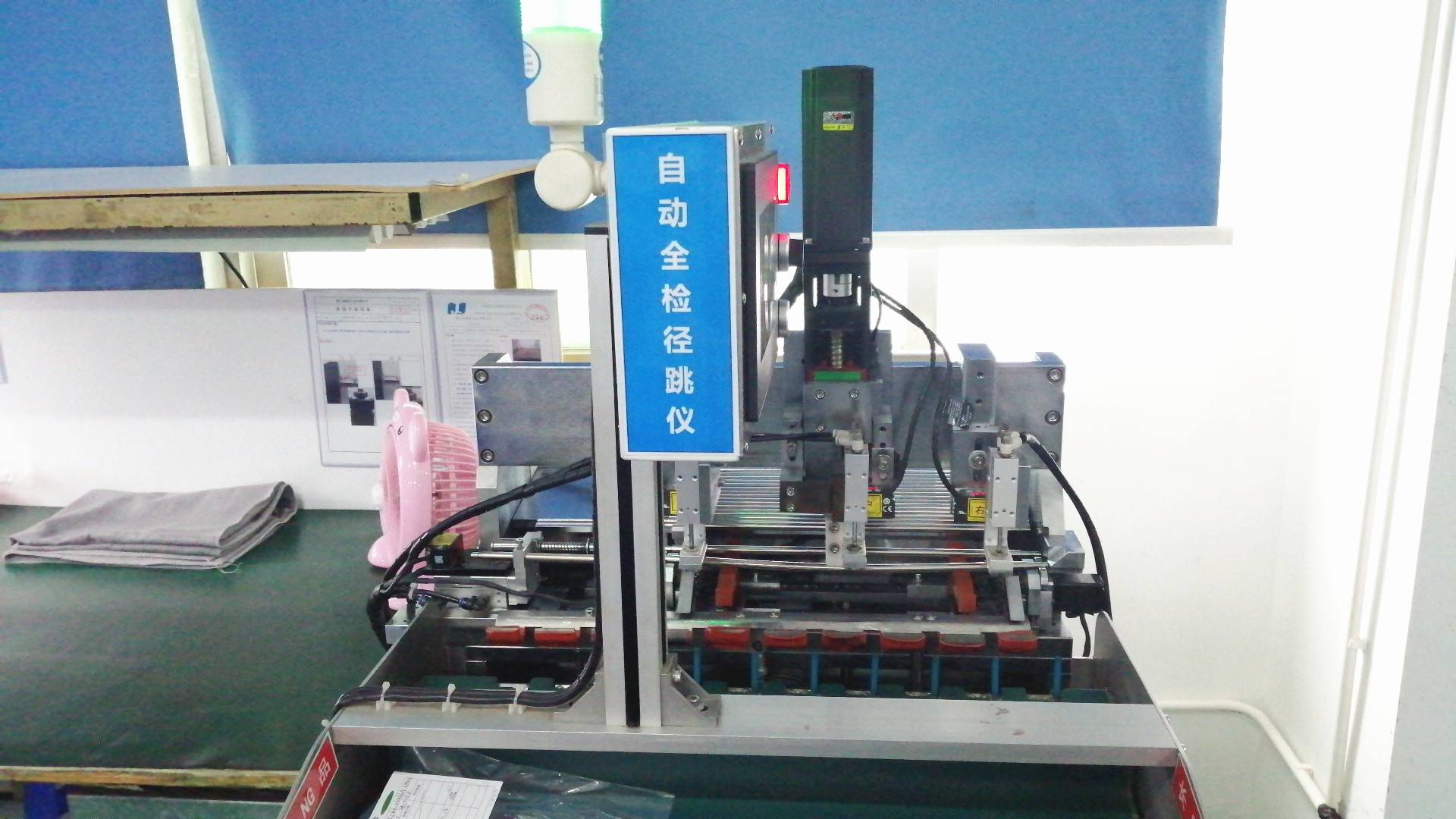
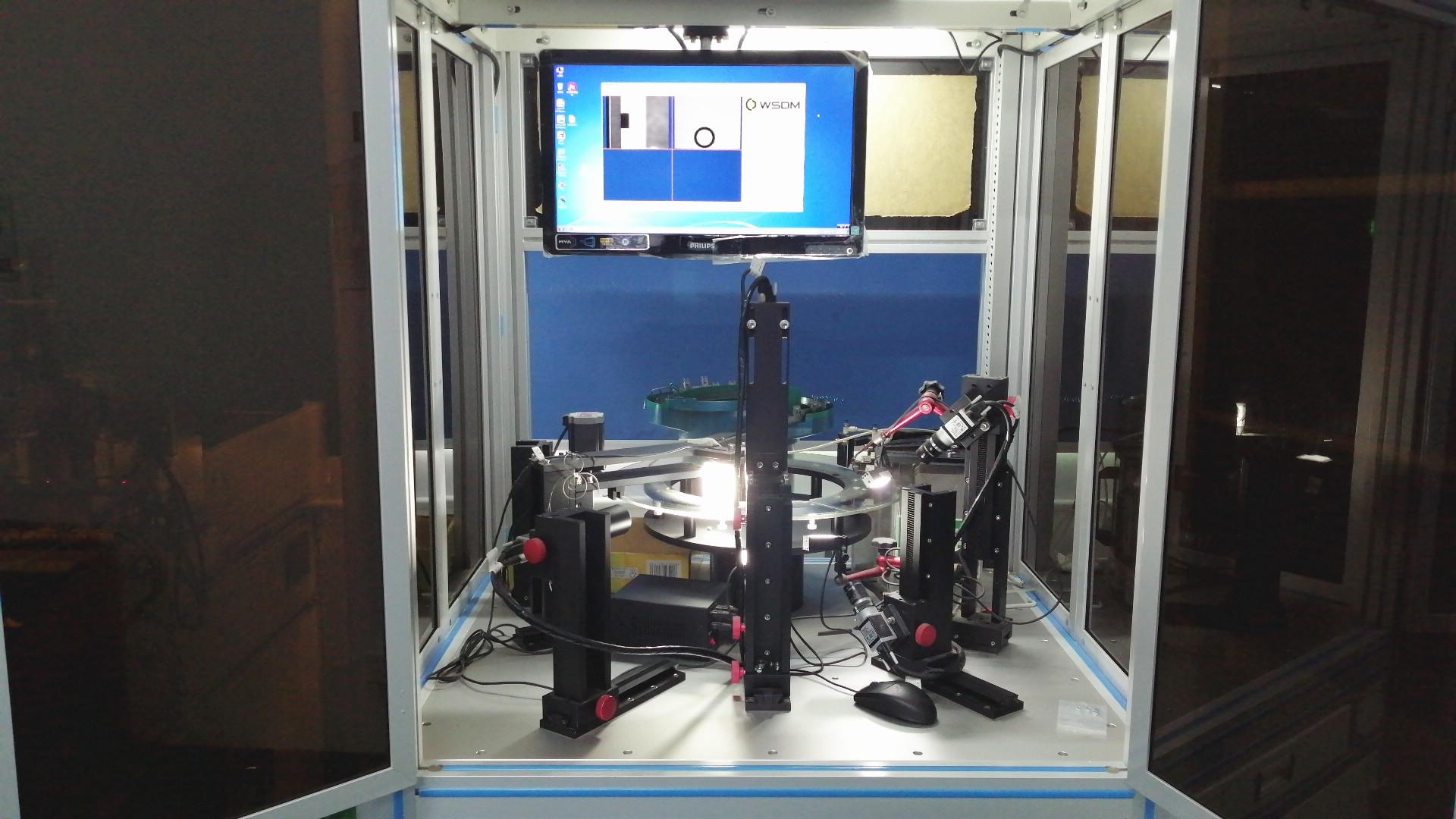
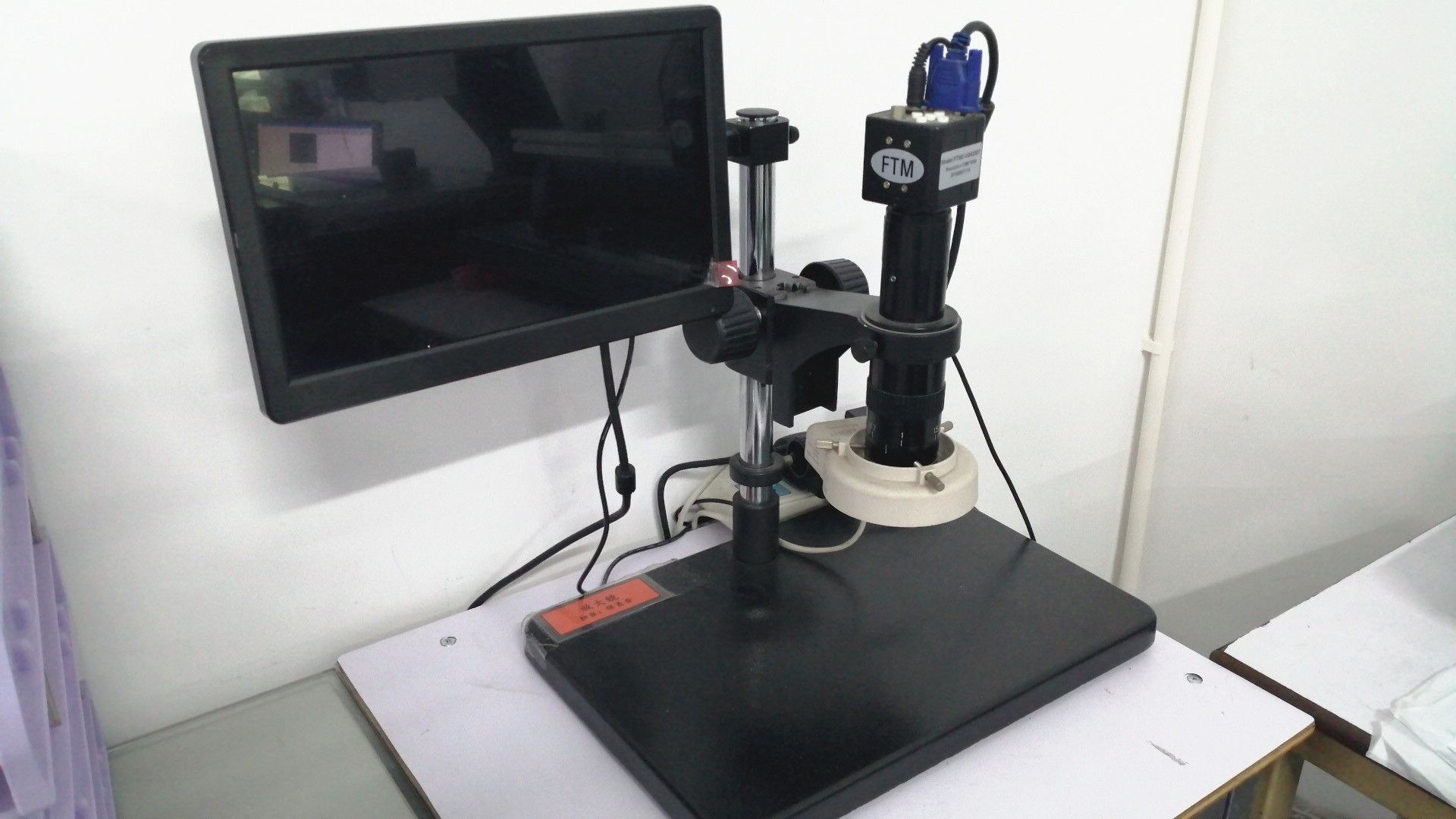
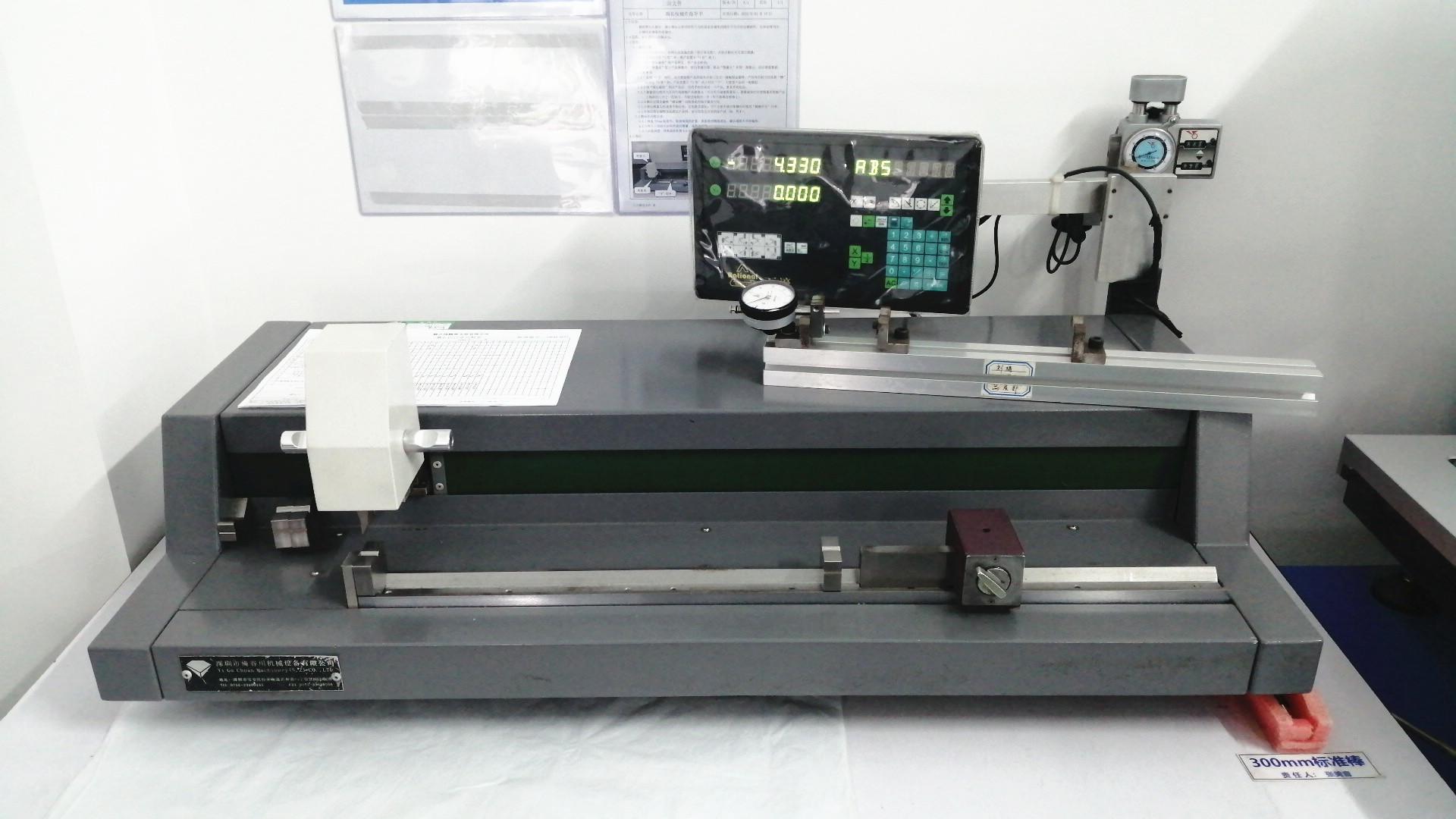
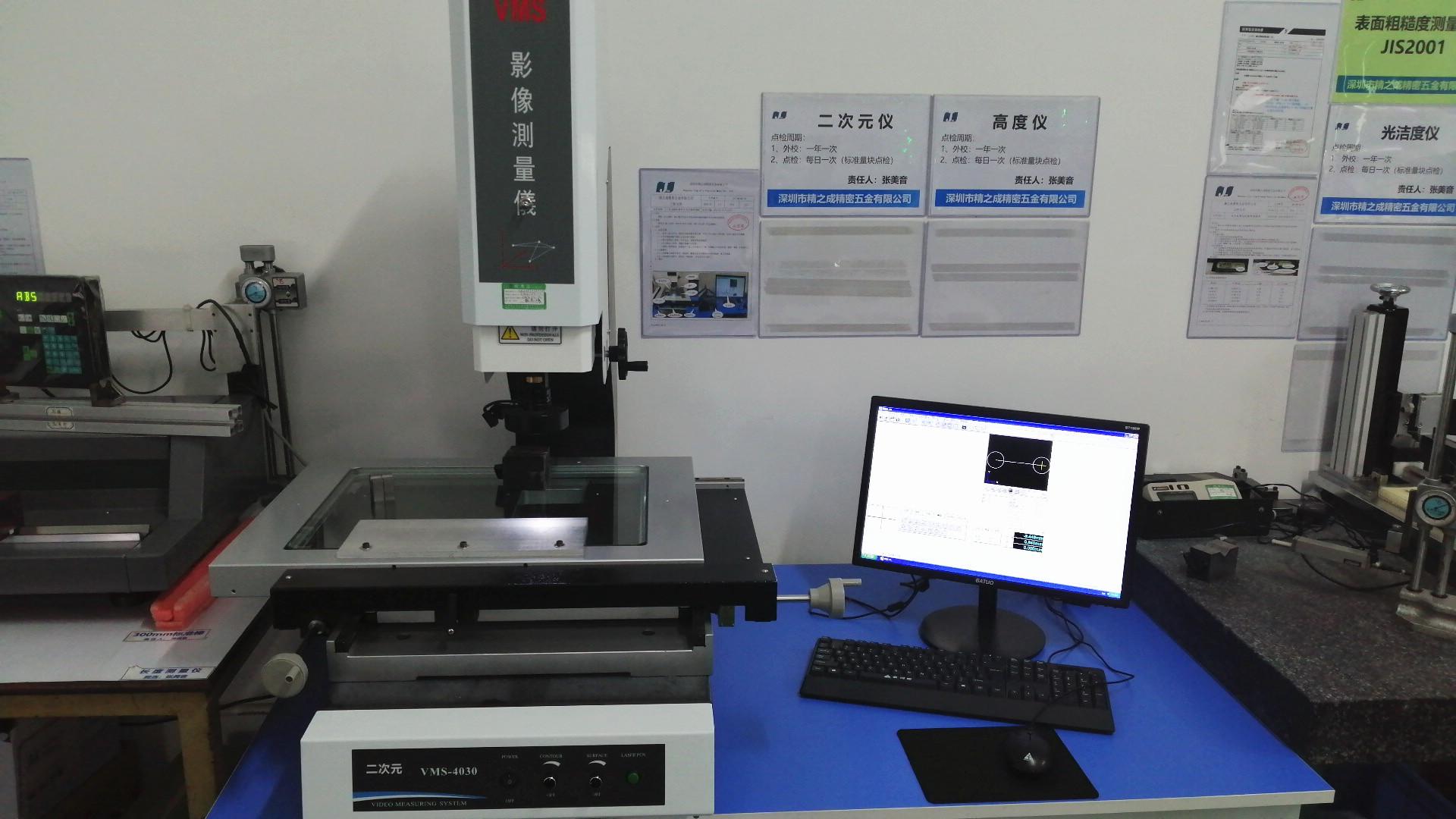
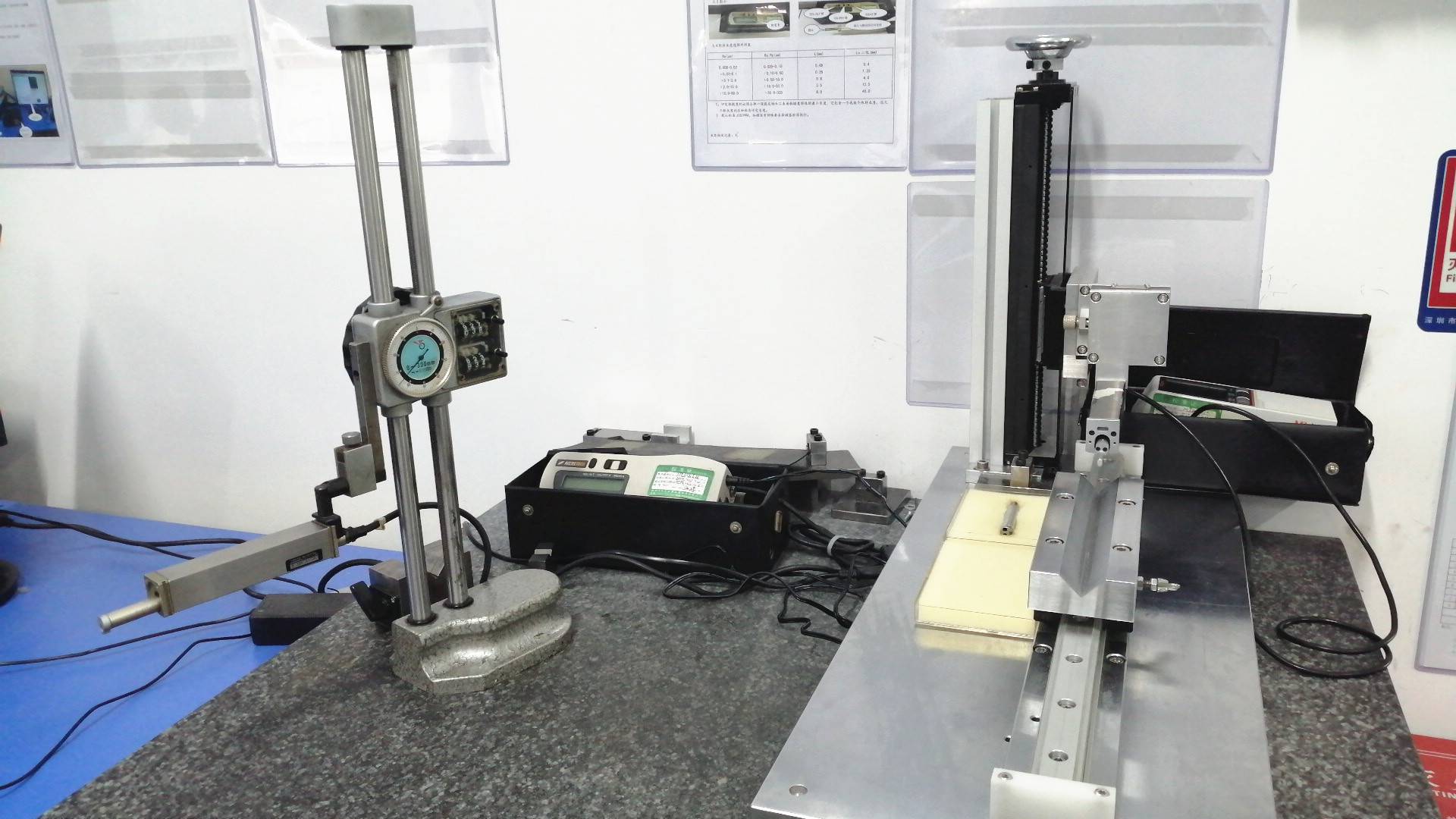
Every single implant undergoes thorough mechanical and structural testing—such as radial jump calibration, salt spraying durability, and optical CCD dimensional alignment—ensuring failure rates close to zero.
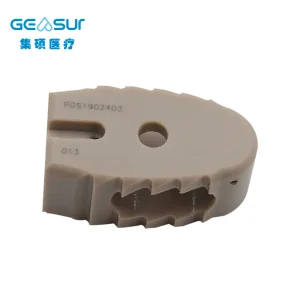
Quick adaptation of modern implant composites including ultra-high-molecular-weight polyethylene (UHMWPE) liners, bioactive titanium coatings, and medical-grade PEEK polymer structures.
Direct partnerships with university orthopedic professors and hospital surgical teams translate real-world clinical pain points into physical engineering upgrades.
Established in 2015, Shenzhen Weed Medical Apparatus Co., Ltd. (collaborating closely with Sichuan Heshuon Minimally Invasive Technology Co., Ltd.) is a top-tier designer, exporter, and supplier of clinical-grade orthopedic consumables. Operating at the intersection of material science and clinical application, the company has established a formidable presence in both local and international medical spaces.
Weed Medical focuses heavily on 3D-printed orthopedic implants, shape-memory alloys, absorbable biomaterials, and trauma stabilization devices. Rather than operating as a simple middleman, Weed Medical’s technical staff actively engage with medical faculties and surgery units. Every piece of feedback from over 200 partner hospitals in Sichuan Province directly influences the design of orthopedic plates, interlocking intramedullary nails, and suture anchors.
To satisfy Class III medical device standards, our manufacturing facilities maintain a rigorous testing laboratory. Below are the precise analytical instruments used to guarantee dimensional tolerances, tensile integrity, and chemical passivity for every orthopedic device batch.


Procuring Class III medical components requires strict adherence to international and regional quality standards. Organizations operating in North America, the European Union, or Asia-Pacific require distinct regulatory paths, including MDR CE, US FDA 510(k), and local NMPA certifications. Sourcing directors must examine material origins (such as titanium purity according to ASTM F136 standards) and biocompatibility reports (ISO 10993).
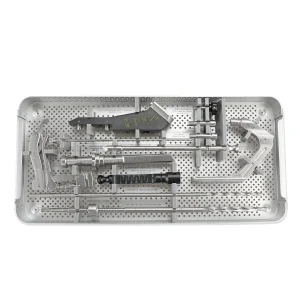
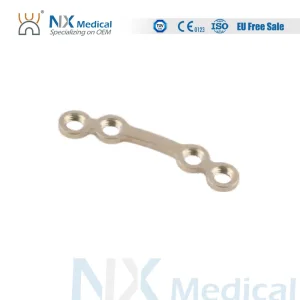
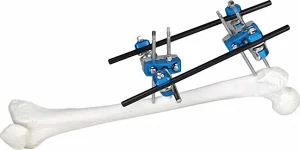
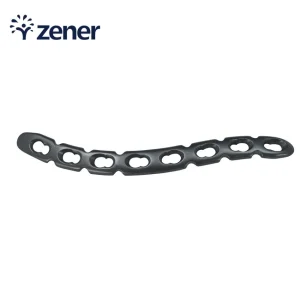
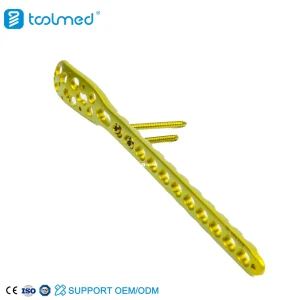
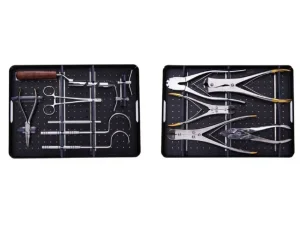
For trauma emergencies, hospitals rely on fast-access modular kits like the PFNA Intramedullary Interlocking Nail System or the Variable Angle LCP Maxillofacial Plate System. Procurement officers prefer suppliers with comprehensive kits that integrate self-tapping locking screws, guidewires, and robust drill jigs into a single, sterilizable aluminum tray.
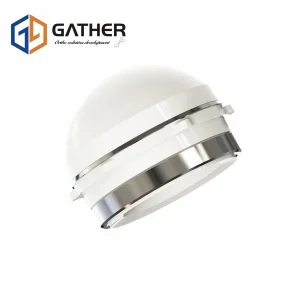
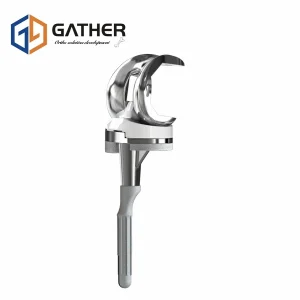
Joint degenerative conditions call for modular orthopedic liners and hip/knee joint assemblies (e.g. Replacement Constrained Liners for Total Hip Arthroplasty). Key metrics here focus on wear rate reduction, friction coefficients of joint bearings, and mechanical strength over millions of cycles.
Expert responses to critical questions about medical joint kit procurement, manufacturing compliance, and product customization.
Discover the remainder of our advanced product portfolio, showcasing high-grade surgical titanium nails, PE-UHMW limiting hip liners, sterile class III knee prostheses, and custom clinical support accessories.
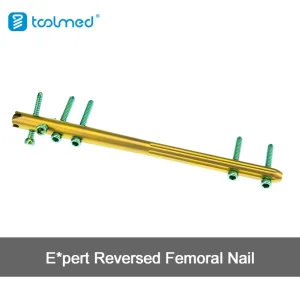
 Weed Orthopedic Implants