Standard-compliant biomedical engineering systems developed to support primary bone grafting procedures and structural skeletal reconstruction.
A Synergy of Shenzhen Weed Medical Apparatus & Sichuan Heshuo Micro-invasive Technology
Established in 2015, Shenzhen Weed Medical Apparatus Co., Ltd. has grown to become an anchor in the premium sales and engineering collaboration of medical devices and biomaterial matrices in China. Working in deep technical integration with industry-leading domestic and international consumable manufacturers, we ensure that every implant, fixation device, and bone graft configuration utilizes technology and raw materials that surpass standard industry metrics.
Our strategic and executive architecture operates through two primary channels: direct clinical integration and high-performance distribution. Today, our comprehensive product portfolio—comprising bioabsorbable polymer scaffolds, shape memory alloys, 3D-printed orthopedic consumables, external and internal fixation networks, and major surgical consumables—is deployed in over 200 clinical hospitals and medical centers throughout Sichuan Province.
Global Clinical Integration: Beyond domestic dominance, our specialized solutions and surgical products are exported to over 30 countries and regions, helping international orthopedists execute precise, stable reconstructive procedures.

Fig 1: Clinical & Biomedical R&D Headquarters - Collaborating with Top-tier Medical Institutions
Market Dynamics, Material Evolution, and Regenerative Paradigms
The global bone graft substitutes market is experiencing a profound transition from traditional autografts and allografts toward highly engineered synthetic biomaterials, composite scaffolds, and cell-based biological constructs. Valued at over USD 3.2 Billion globally, the demand is fueled by an aging population, a rise in spine fusion surgeries, complex high-energy orthopedic traumas, and sports-related joint reconstructions.
Historically, the autograft (harvesting the patient's own bone) was considered the gold standard due to its intrinsic osteogenic, osteoinductive, and osteoconductive properties. However, donor site morbidity, limited supply, and increased surgical duration have led surgeons to prefer high-performance synthetic bone graft substitutes. Today, advanced manufacturers leverage materials like Beta-Tricalcium Phosphate (β-TCP), Hydroxyapatite (HA), and Bioactive Glass to mimic the porous architectural layout of natural human trabecular bone.
The structural framework serves as a passive scaffold, guiding the migration of osteoblasts and capillaries from surrounding native tissue into the graft site, fostering uniform integration.
Bioactive signals and growth factor carrier systems stimulate pluripotent mesenchymal stem cells (MSCs) to differentiate into mature bone-forming lineages, accelerating remodeling.
Programmed degradation rates ensure that as the synthetic matrix dissolves, it is systematically replaced by newly formed, mineralized host bone, leaving no foreign residue behind.
To achieve optimal osteointegration, modern synthetic bone grafts are engineered with multi-scale porosity. Macropores (100–500 μm) allow cell migration and angiogenesis, while micropores (<10 μm) facilitate protein adsorption and ion exchange. As a premier partner and supplier, Shenzhen Weed Medical coordinates with state-of-the-art facilities to bring clinical-grade biocompatible bone scaffold configurations and orthopedic fixation matrices to surgical teams worldwide.
The Frontier of Orthopedic Implants and Regenerative Consumables
The trajectory of bone repair technologies relies heavily on advanced material science. At our collaborative research hubs, development priorities are structured around three material families:
Polyetheretherketone (PEEK): Widely recognized for its high biocompatibility, radiolucency, and mechanical properties similar to human bone. PEEK eliminates the stress-shielding effect commonly seen with titanium implants, facilitating natural load transfer. Our *Uncoated Design PEEK Suture Anchor Systems* represent this technology at its peak, providing robust suture fixation without inducing adverse localized tissue reactions.
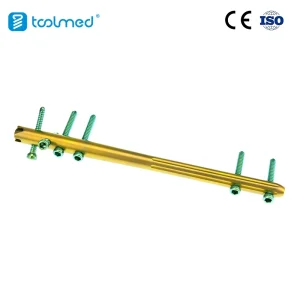
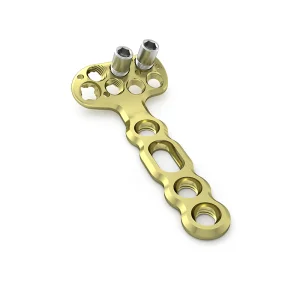
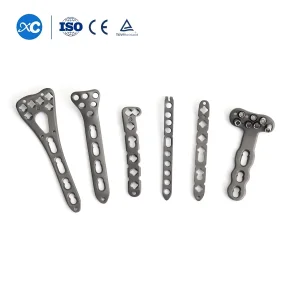
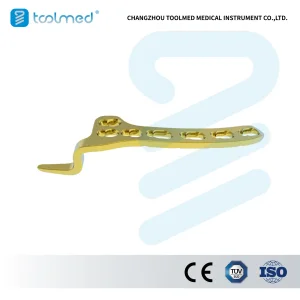
Titanium Alloys (Ti-6Al-4V ELI): Specifically optimized for high mechanical stability, load-bearing requirements, and surface osseointegration. Utilized in our *Retrograde Femur Interlocking Nails* and *Multi Axial Distal Radius Locking Plates*, titanium remains the standard for fracture reduction where immediate biomechanical loading is required.
Absorbable Copolymers: We actively co-develop polymers (such as PLA, PGA, and their copolymers) that maintain structural integrity during early-stage healing, then degrade into non-toxic monomers through hydrolysis, which are subsequently metabolized by the human body.
Every orthopedic implant and surgical instrument is subjected to strict testing protocols inside our ISO-certified facilities using state-of-the-art testing equipment.
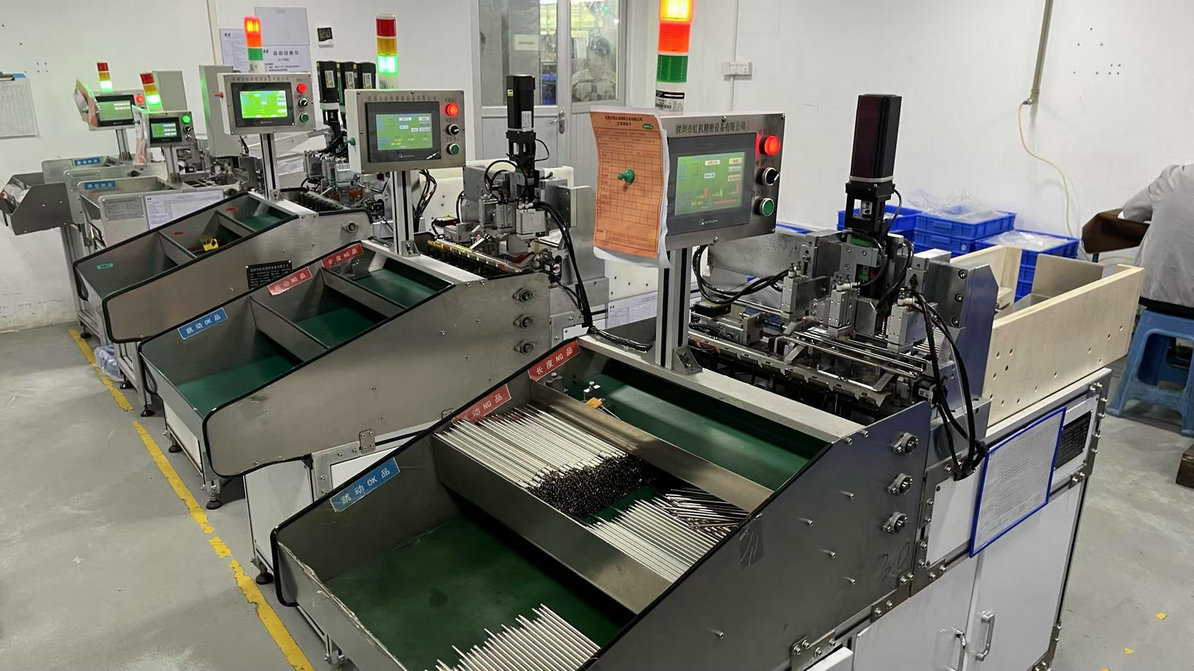
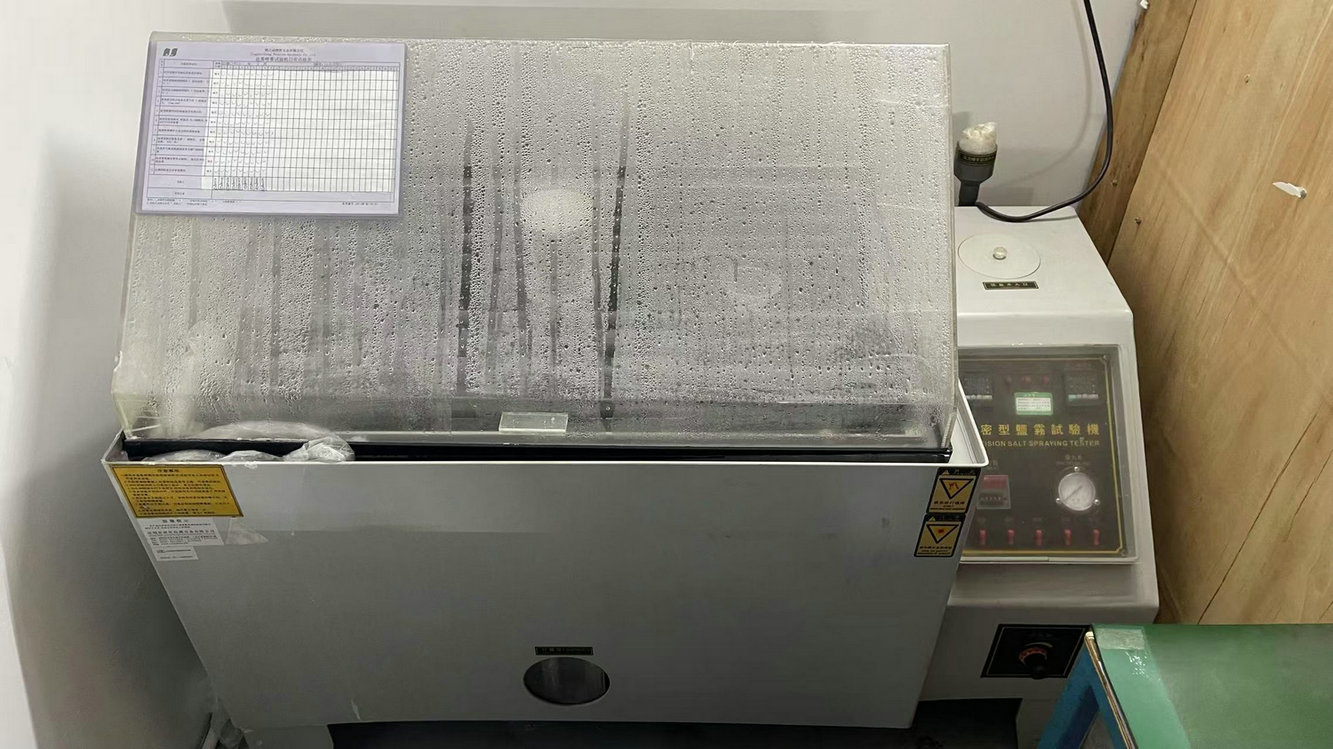
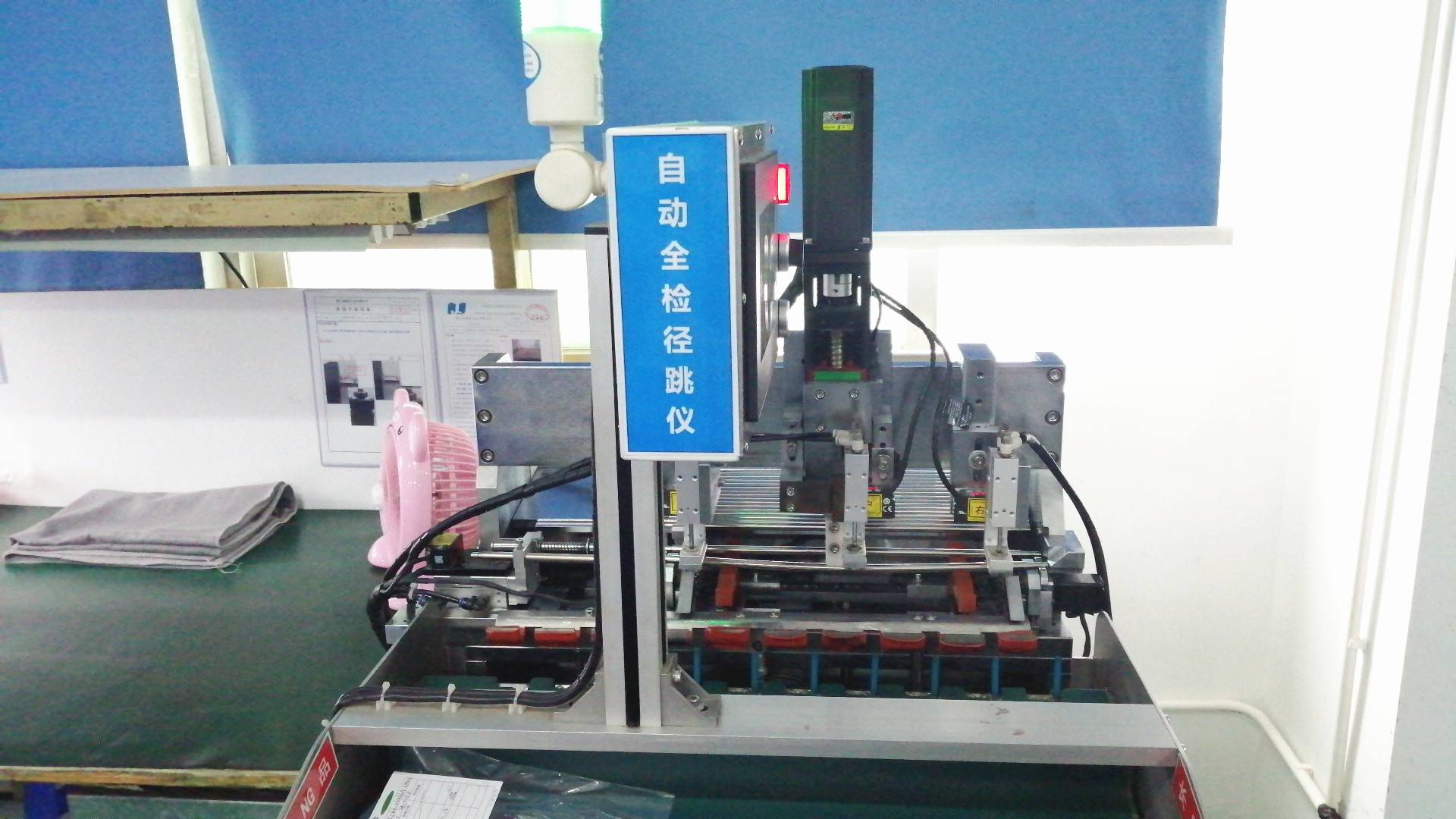
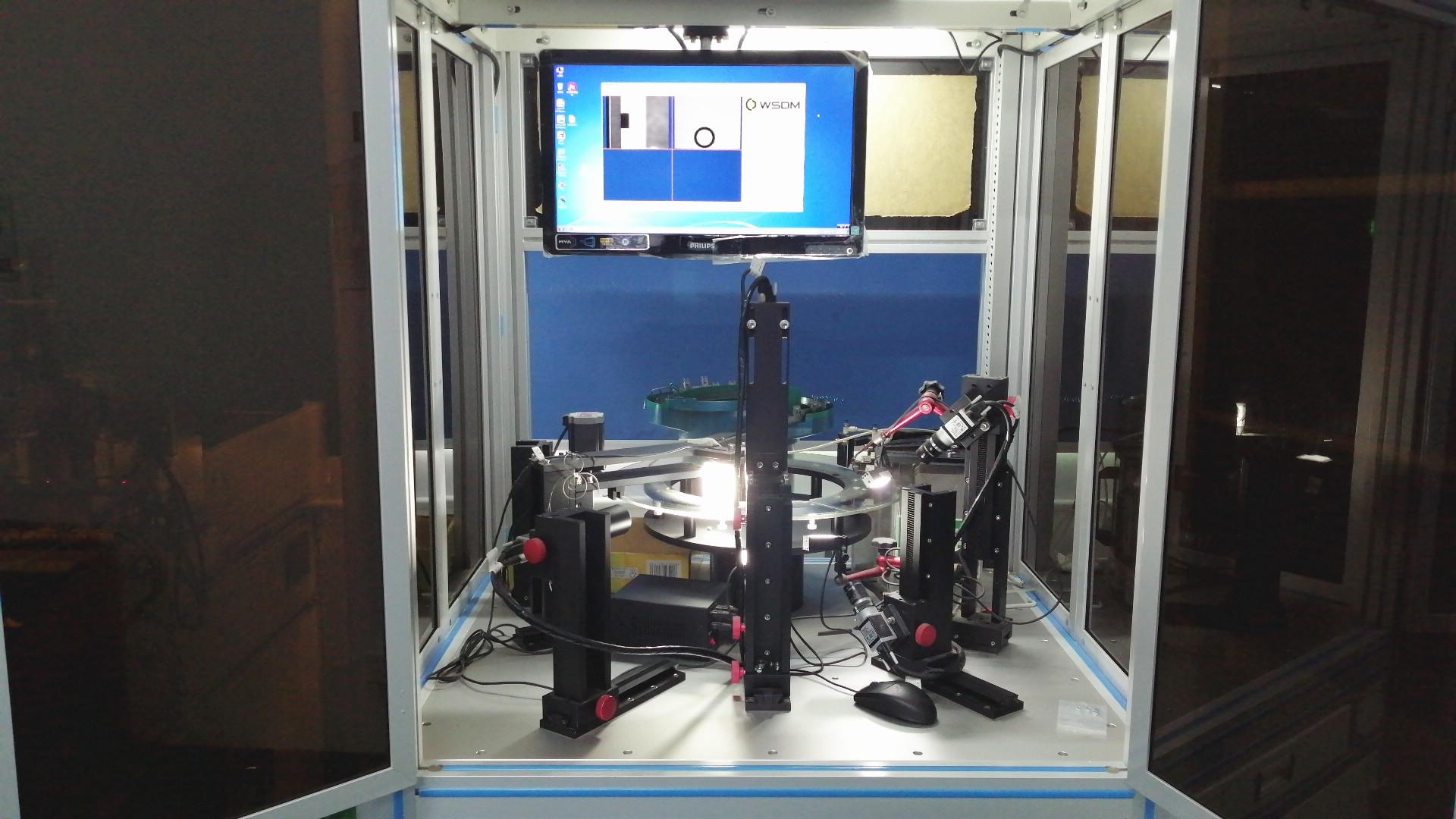
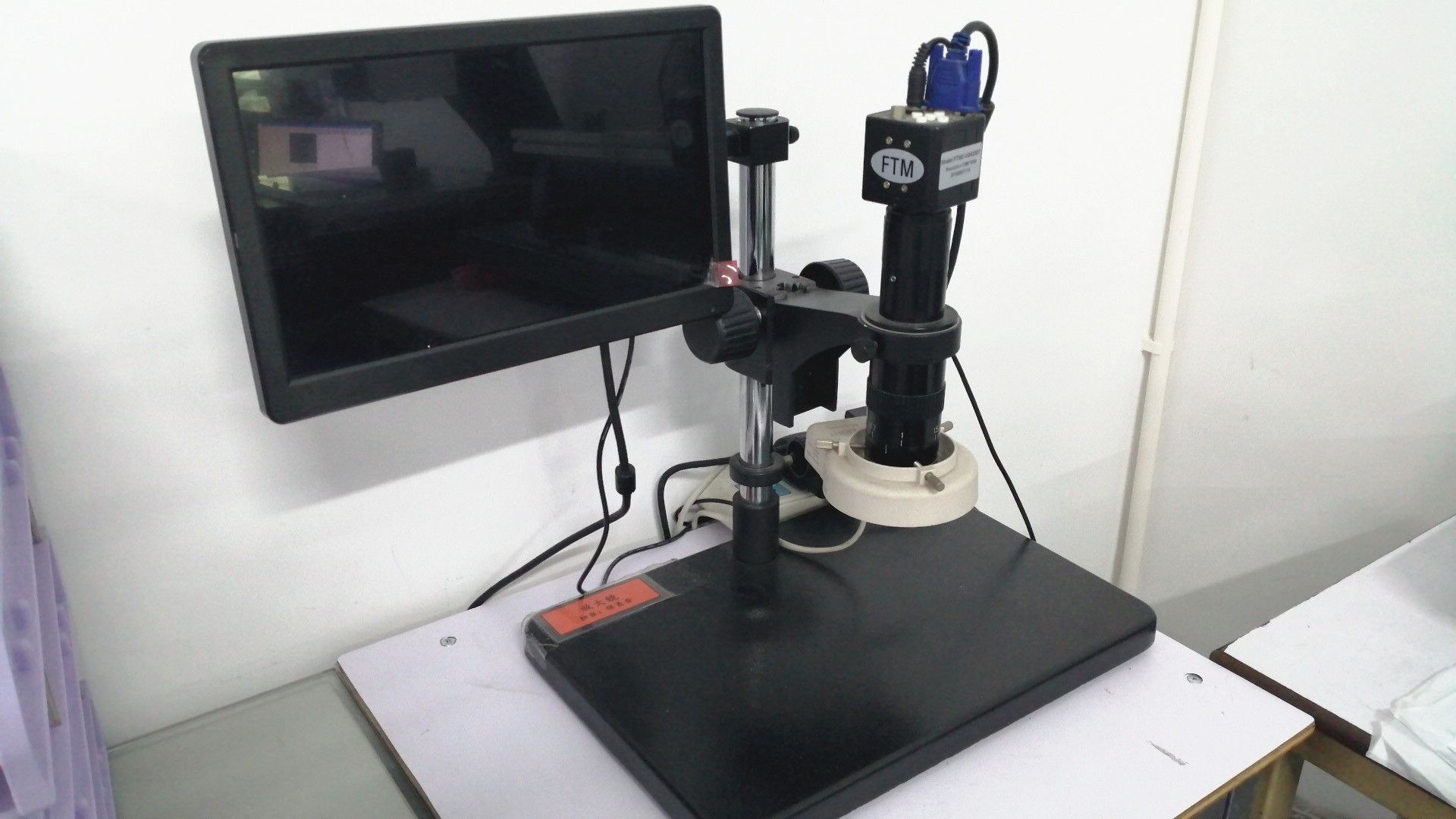
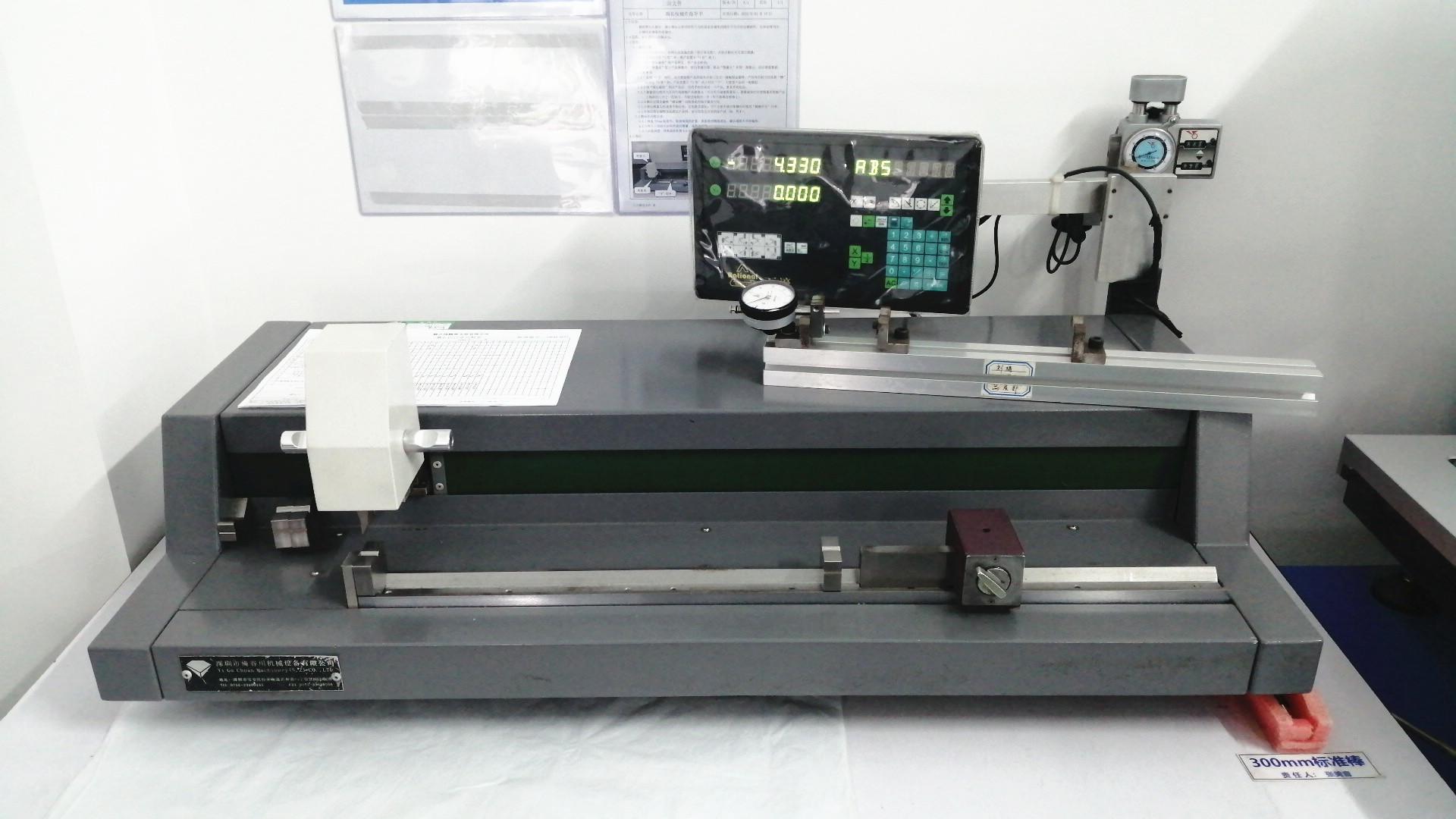
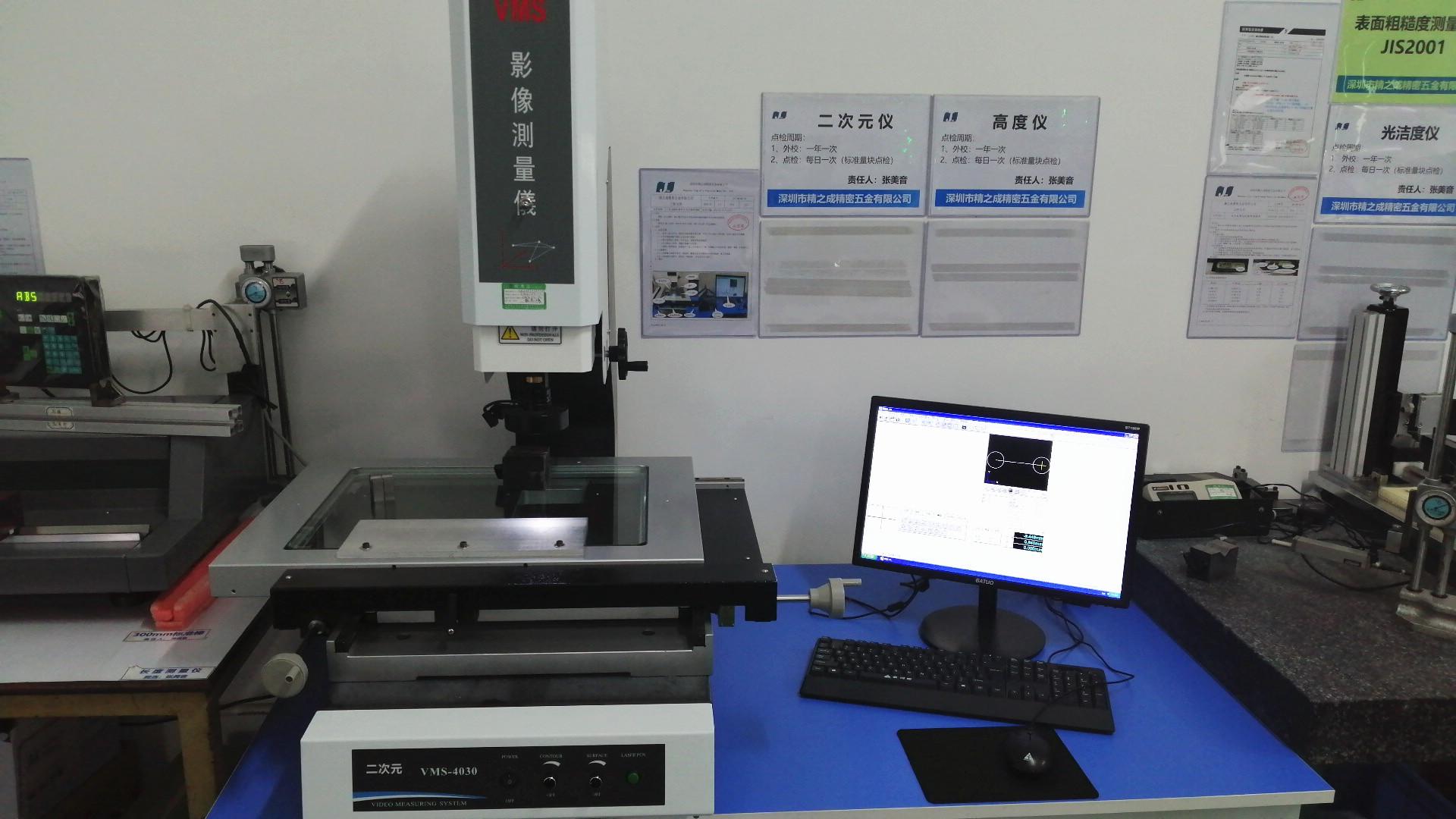
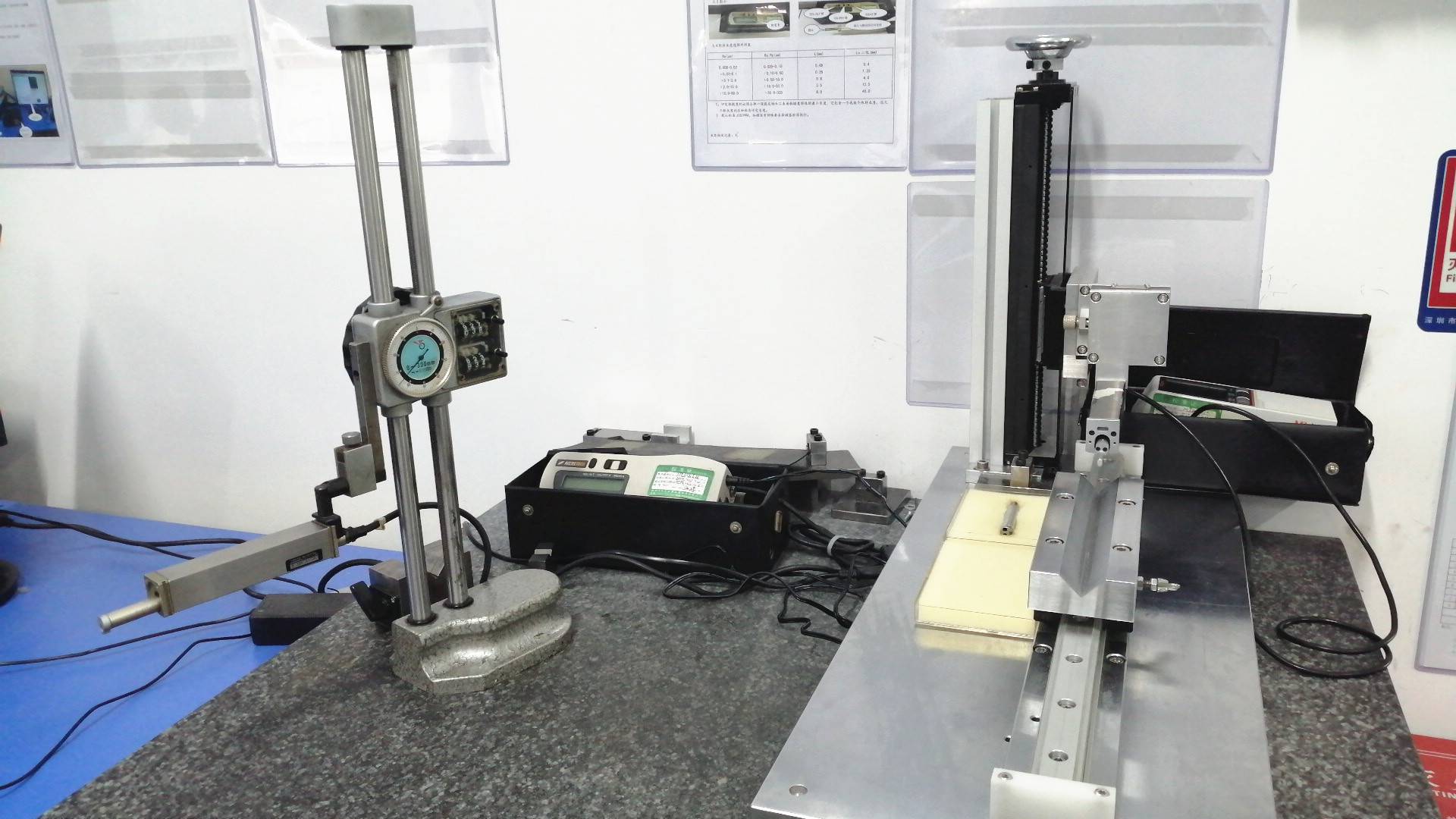
Our cleanrooms operate under ISO Class 7 and 8 specifications. R&D engineers collaborate with orthopedic surgeons and research universities to validate bone graft structural properties, mechanical wear rates, surface finishes, and biocompatibility indices. This clinical-first approach ensures that the medical hardware we supply to hospitals remains dependable under all physiological conditions.
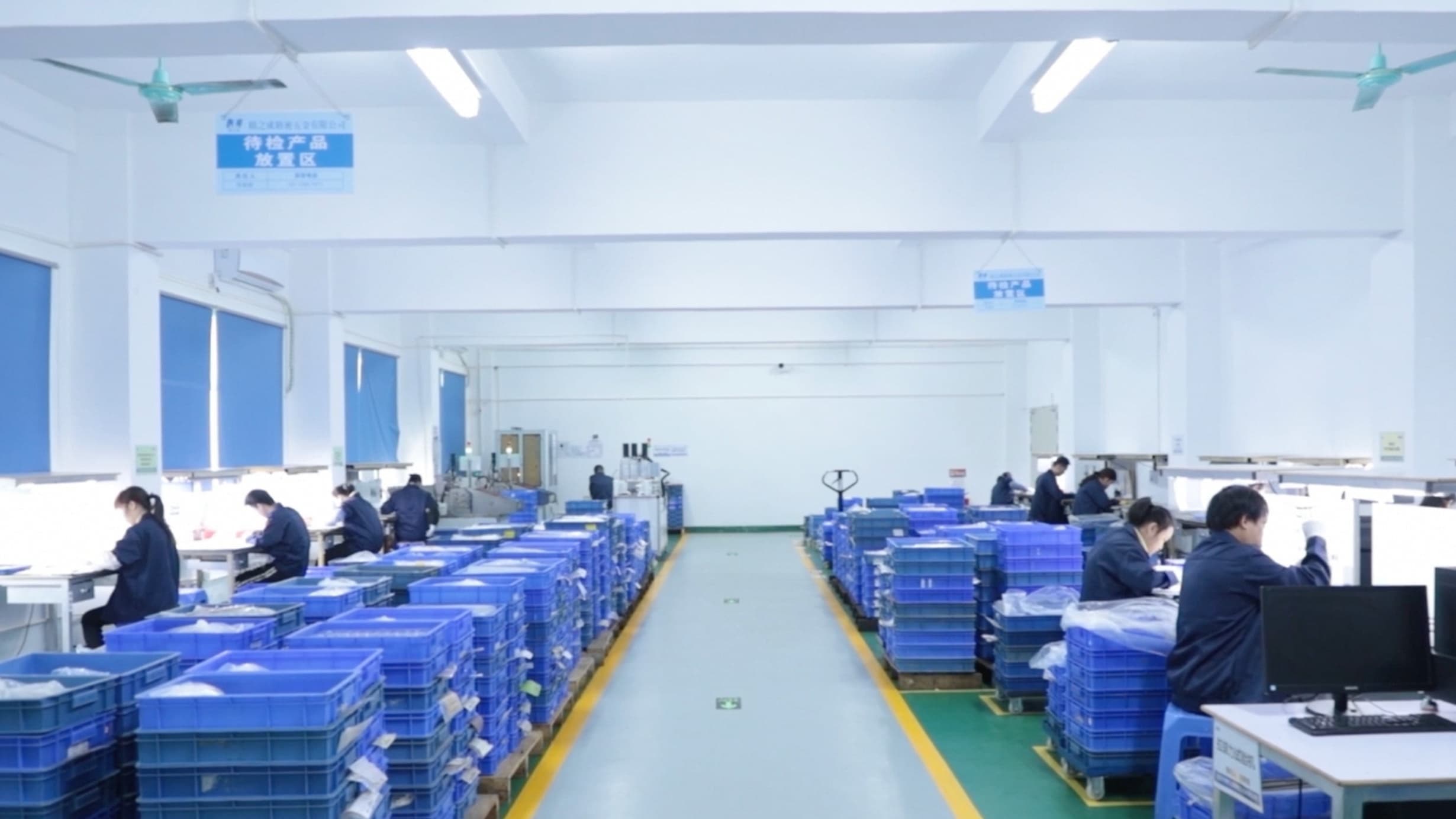
Our quality control protocols monitor production from raw medical-grade material sourcing to final sterile packaging. The inspection workshop utilizes advanced coordinate measuring machines, surface roughness profilers, and microscopic vision scanners to ensure all dimensions align with strict surgical tolerances.
Traceable Manufacturing: Every production batch of bone screws, locking plates, intramedullary nails, and suture anchors receives a unique batch ID. This enables total transparency, tracking raw material heats, machining parameters, and sterilization histories.

Integrating Fixation Hardware with Osteoinductive Bone Grafting Matrices
In modern clinical practice, bone grafts do not work in isolation. They are paired with robust orthopedic fixation devices to create a stable environment that supports vascularization and bone remodeling. Shenzhen Weed Medical provides comprehensive kits designed for three key clinical scenarios:
For critical-sized defects in the femur or tibia, our Retrograde Intramedullary Nails and Variable Angle Locking Plates provide the mechanical stability needed. Surgeons pack the void with synthetic osteoconductive bone graft substitutes to guide new bone formation across the fracture line.
Our Posterior Cervical System (Kco3.2) and Laminar Hooks provide the rigid immobilization necessary for fusion. Filling the interbody PEEK cages with bone graft material accelerates the formation of a solid bony bridge, reducing the incidence of pseudoarthrosis.
Rotator cuff and ligament reconstructions demand precise anchor fixation. Our PEEK Suture Anchor Systems deliver high pull-out strength in the bone bed. For local cortical micro-fractures, biological bone void fillers are applied to prevent bone density loss at the attachment site.
Ensuring sterile safety, surgical efficiency, and high-performance structural repair across human and veterinary applications.
Expert clinical and technical answers regarding bone grafting, implant materials, and sourcing.
Autografts utilize bone harvested from the patient's own body, offering osteogenic cells, osteoinductive proteins, and an osteoconductive structure. However, they carry the risk of donor site morbidity and pain. Synthetic bone grafts (such as β-TCP, HA, or Bioactive Glass) eliminate donor site risks, provide a controlled resorption rate, offer unlimited supply, and are engineered to match natural trabecular porosity, serving as an effective osteoconductive scaffold.
PEEK (Polyetheretherketone) is a thermoplastic polymer with an elastic modulus close to that of human cortical bone. This reduces the risk of stress shielding, where metal implants absorb mechanical stress and cause surrounding bone to degrade. Additionally, PEEK is radiolucent, allowing surgeons to monitor postoperative bone healing and fusion on X-rays without metal artifact interference.
We work in close cooperation with ISO 13485-certified manufacturers and utilize advanced testing equipment, including Beat Automatic Detectors, Precision Salt Spraying Testers, Radial Jump Meters, and CCD Test Devices. Every batch of implants is inspected in cleanrooms that meet ISO Class 7/8 specifications. This ensures complete dimensional accuracy, clean surface finishes, and biocompatibility.
Our collaborative products carry CE and ISO certificates. These credentials verify that our intramedullary nails, locking plates, and external fixators comply with global safety and performance standards for clinical use.
Yes. Shenzhen Weed Medical utilizes both direct sales and distribution channels. We collaborate with medical professors, research universities, and surgical teams to develop solutions for common clinical problems. We welcome partnerships with international distributors looking to source high-quality orthopedic hardware and biomaterials from China.
 Weed Orthopedic Implants