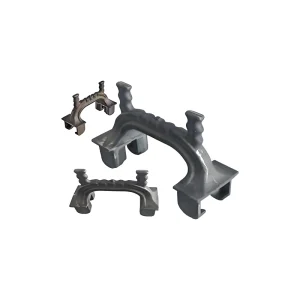
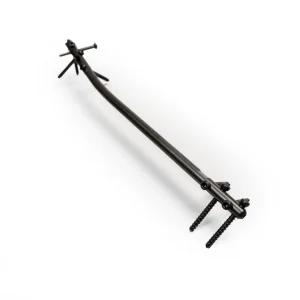
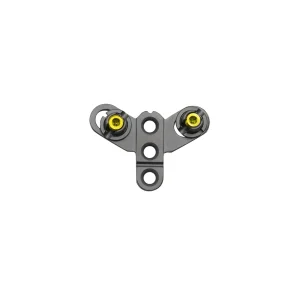
Explore our highly integrated engineering product line, custom-crafted to exceed international mechanical and biocompatibility criteria.
Unveiling the shifts in therapeutic materials, clinical demands, and surgical paradigms.
Traditional permanent metallic hardware (such as titanium or stainless steel alloys) has long been the gold standard for fracture fixation and reconstructive surgeries. However, long-term complications including hardware migration, stress shielding, chronic inflammatory tissue response, and the inevitable necessity for a second surgical removal procedure have driven global orthopedists to seek dynamic alternatives. Bioresorbable implants represent the next frontier, engineered to provide structural support during the critical tissue-healing window, and subsequently degrade into non-toxic metabolites (such as lactic acid and glycolic acid), which are seamlessly processed through the body's natural metabolic pathways.
Valued at over USD 1.2 Billion in 2023, the global bioresorbable implants market is projected to expand at a CAGR of 8.4% through 2030. The growth is fueled by an aging global population, surging sports injury cases, and advancements in polymer synthesis. Geographically, while North America and Europe maintain a high adoption rate due to established healthcare spending, the Asia-Pacific region, spearheaded by manufacturing powerhouses like China, is rapidly evolving into a pivotal hub for both high-volume manufacturing and advanced biomaterial R&D, satisfying both domestic demands and high-yield export requirements.
A key technical differentiator in today's market is the control over degradation kinetics. Standard biodegradable polymer formulations often suffer from "hydrolysis bursts," which lead to localized acidity and sterile inflammation. Leading edge engineering utilizes high-purity medical grade PLLA (Poly-L-lactic acid), PDLLA, and PLGA co-polymers. By tweaking the molecular weight, crystallinity, and geometric configuration, our partners produce implants designed with matching degradation curves that correspond directly to specific bone healing timelines, ensuring the bone gradually assumes physical loading.
Bridging frontline clinical requirements and state-of-the-art polymer manufacturing since 2015.
Established in 2015, Shenzhen Weed Medical Apparatus Co., Ltd. primarily engages in the sales, R&D integration, and global distribution of advanced medical devices. We maintain deep-seated business and technical cooperation with leading domestic and international consumable manufacturers. Our corporate vision is rooted in quality; most of our bioresorbable and implant products boast proprietary technology and raw materials superior to standard industry baselines.
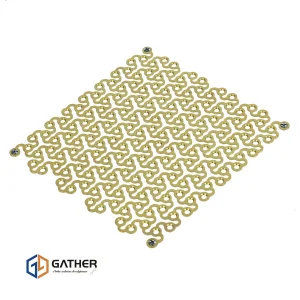
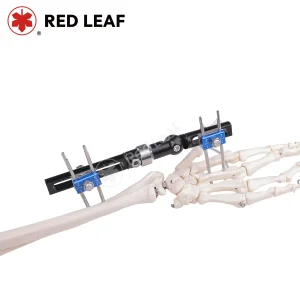
Our business structure is strategically bifurcated into direct clinical sales and global distribution. The comprehensive product lineup features advanced bioresorbable materials, shape memory alloys, 3D-printed orthopedic consumables, external fixators, and other essential surgical materials. In mainland China, our products are used by over 200 hospitals in Sichuan Province alone, under robust collaboration with Sichuan Heshun Micro-invasive Technology Co., Ltd. (四川合顺微创科技有限公司), gaining an exceptional reputation among clinical peers and medical institutions alike.
Core Value: We collaborate closely with academic professors, medical universities, and frontline clinical surgeons to gather real-world evidence, refining implant geometries based on actual user feedback.

The technological pathways determining degradation rates, mechanical integrity, and clinical safety.
The performance of bioresorbable screws, plates, and anchors relies heavily on the polymer composition.
The degradation sequence proceeds via bulk hydrolysis. Water molecules penetrate the polymer matrix, cleaving the ester bonds. This chemical process slowly reduces the molecular weight without initially changing physical dimensions. Once the critical threshold is reached, fragmentation occurs, and the polymer fragments are metabolized into lactic acid. The lactic acid is then broken down into carbon dioxide and water via the Krebs cycle and excreted, preventing long-term foreign body presence.
The next generation of bioresorbables integrates mineral components such as Hydroxyapatite (HA) or Beta-tricalcium phosphate (β-TCP). These osteoconductive ceramics buffer the acidic degradation byproducts of the polymer, while simultaneously stimulating osteoblast proliferation and accelerating native bone deposition directly inside the implant footprint.
Clinical environments where bioresorbable devices present major therapeutic advantages over titanium hardware.
In pediatric bone repair, using permanent metal hardware can severely restrict natural skeletal growth, leading to bone deformity. Traditional metal implants necessitate a painful secondary surgery for hardware removal. Bioresorbable fixation devices degrade as the child's bone grows, completely eliminating the need for a second surgery, reducing patient trauma, and cutting overall hospital costs.
Reconstruction of cranial and facial fractures requires precise contouring and highly low-profile plates. Bioresorbable cranial plates and fixation tacks provide strong initial stabilization. Within 12 to 18 months, they dissolve, leaving no palpability or cold sensitivity under the skin—a common patient complaint associated with permanent titanium plates.
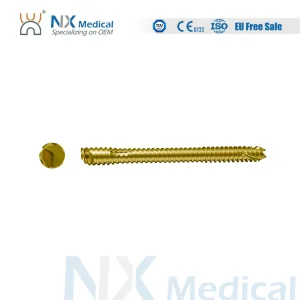
In ACL/PCL ligament reconstruction surgeries, interference screws are used to secure the graft inside the femoral and tibial tunnels. Utilizing Bioresorbable PEEK or PLGA-based interference screws ensures that during post-operative MRI scans, there are no metal imaging artifacts, facilitating accurate clinical monitoring of tissue integration.
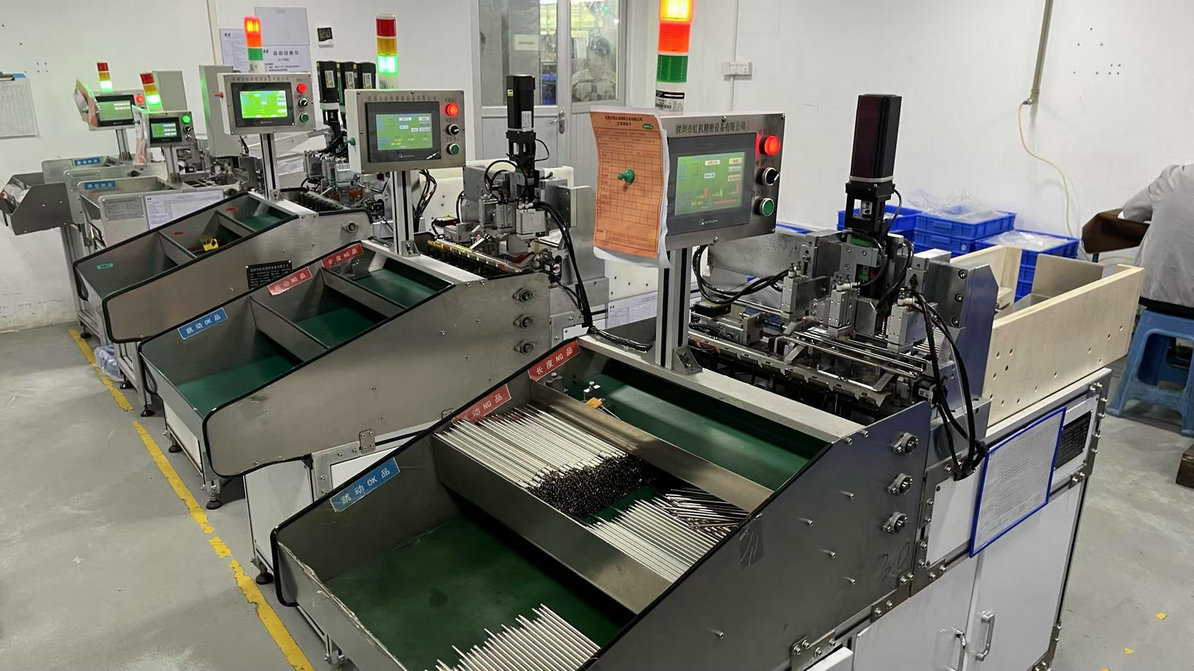
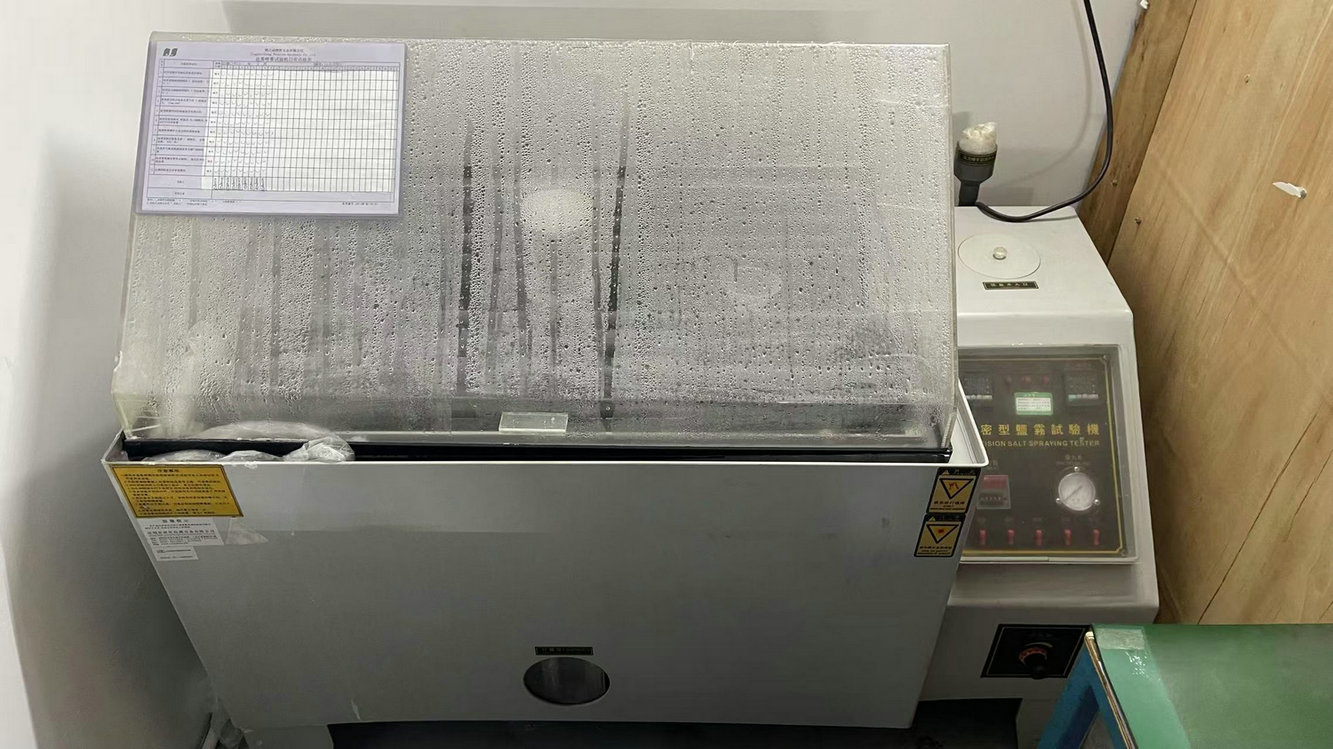
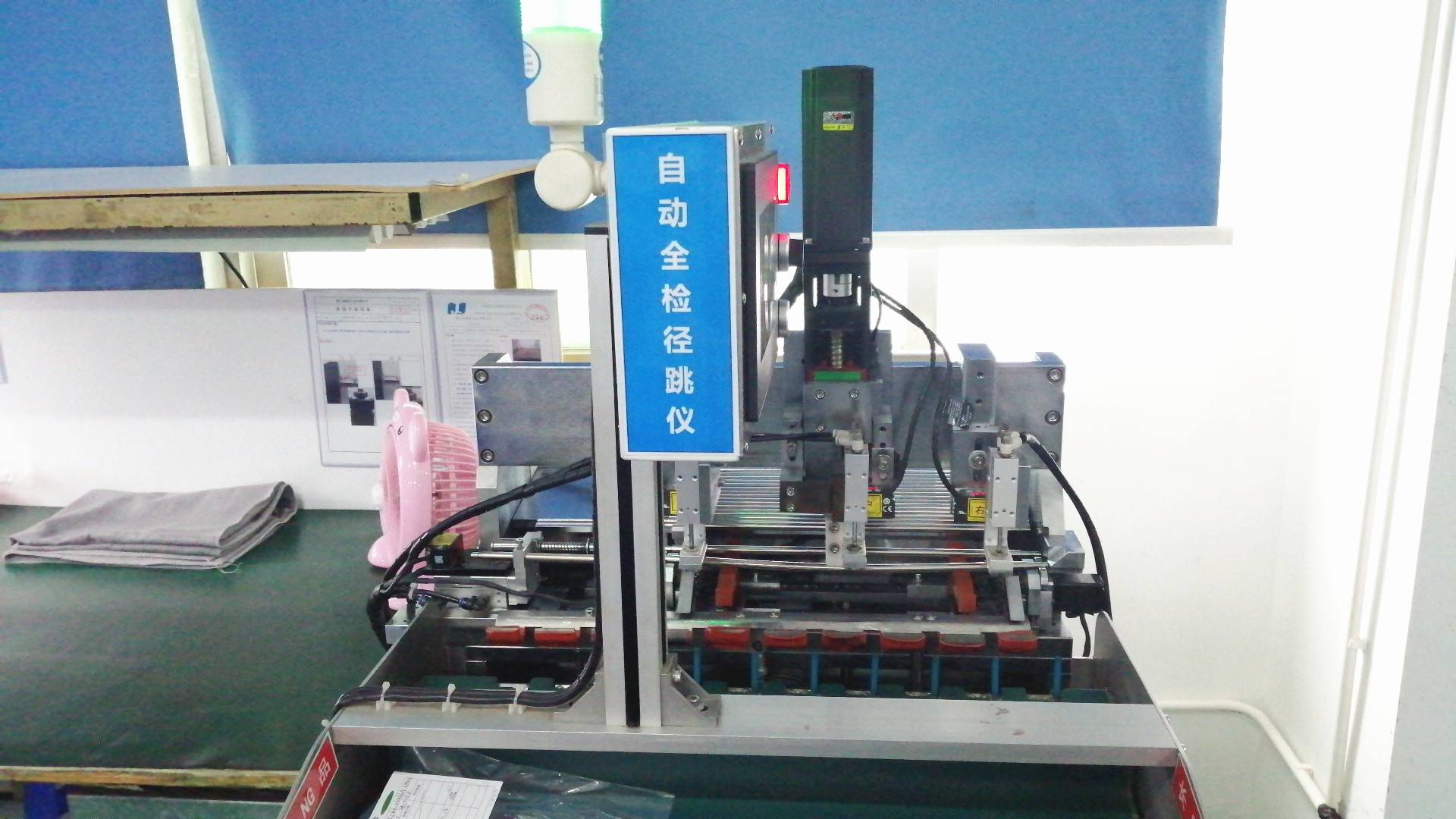
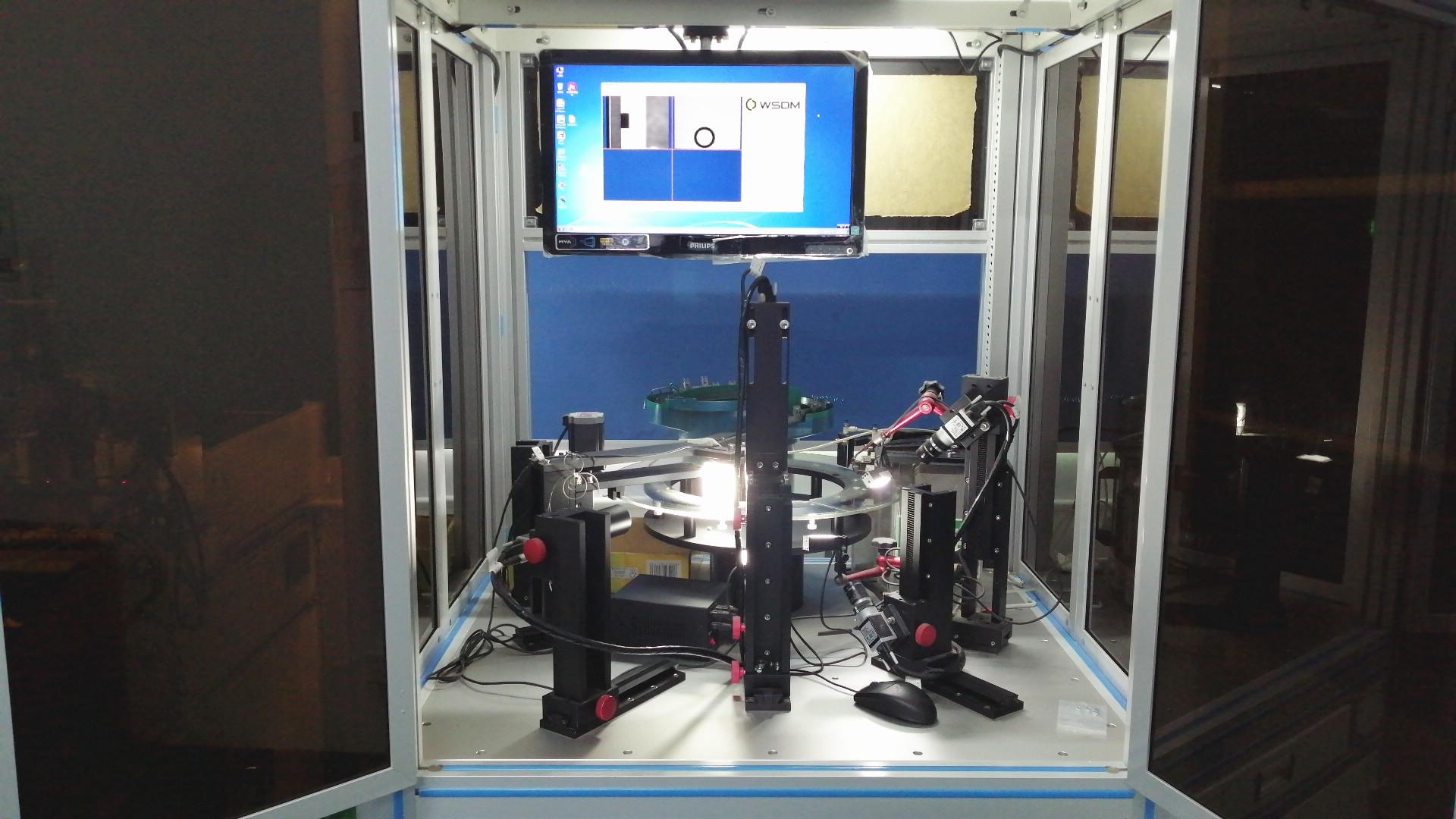
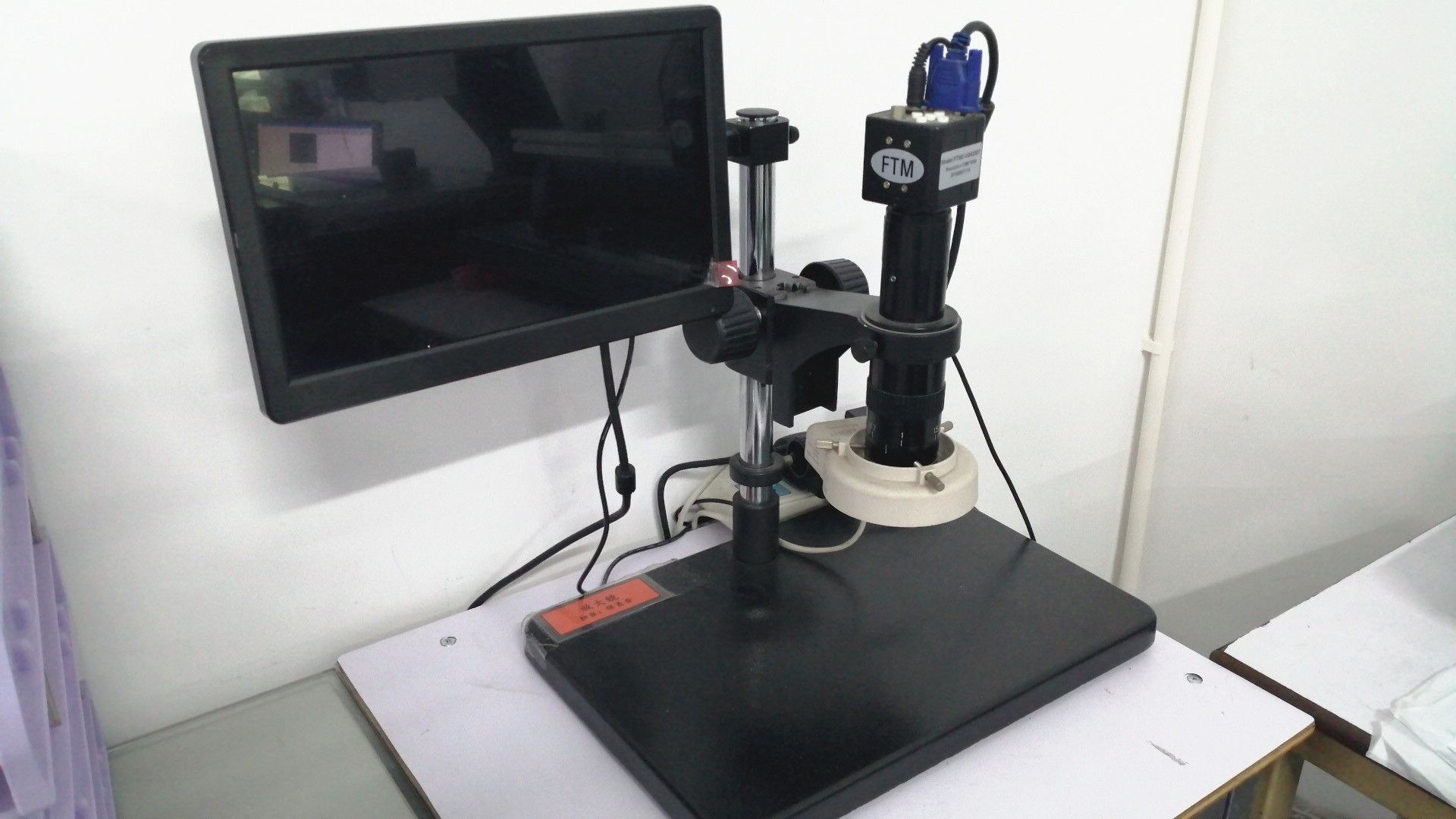
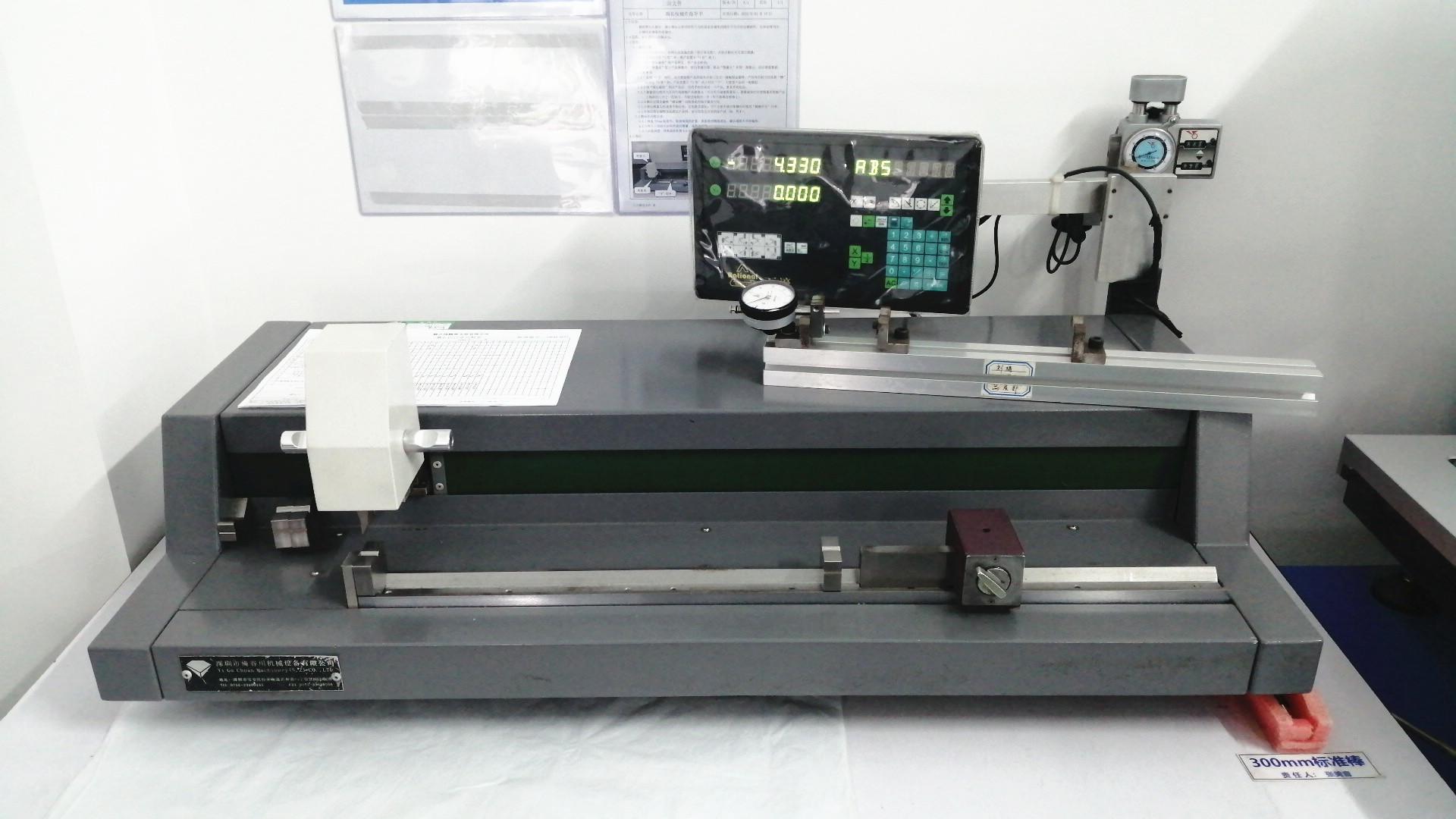
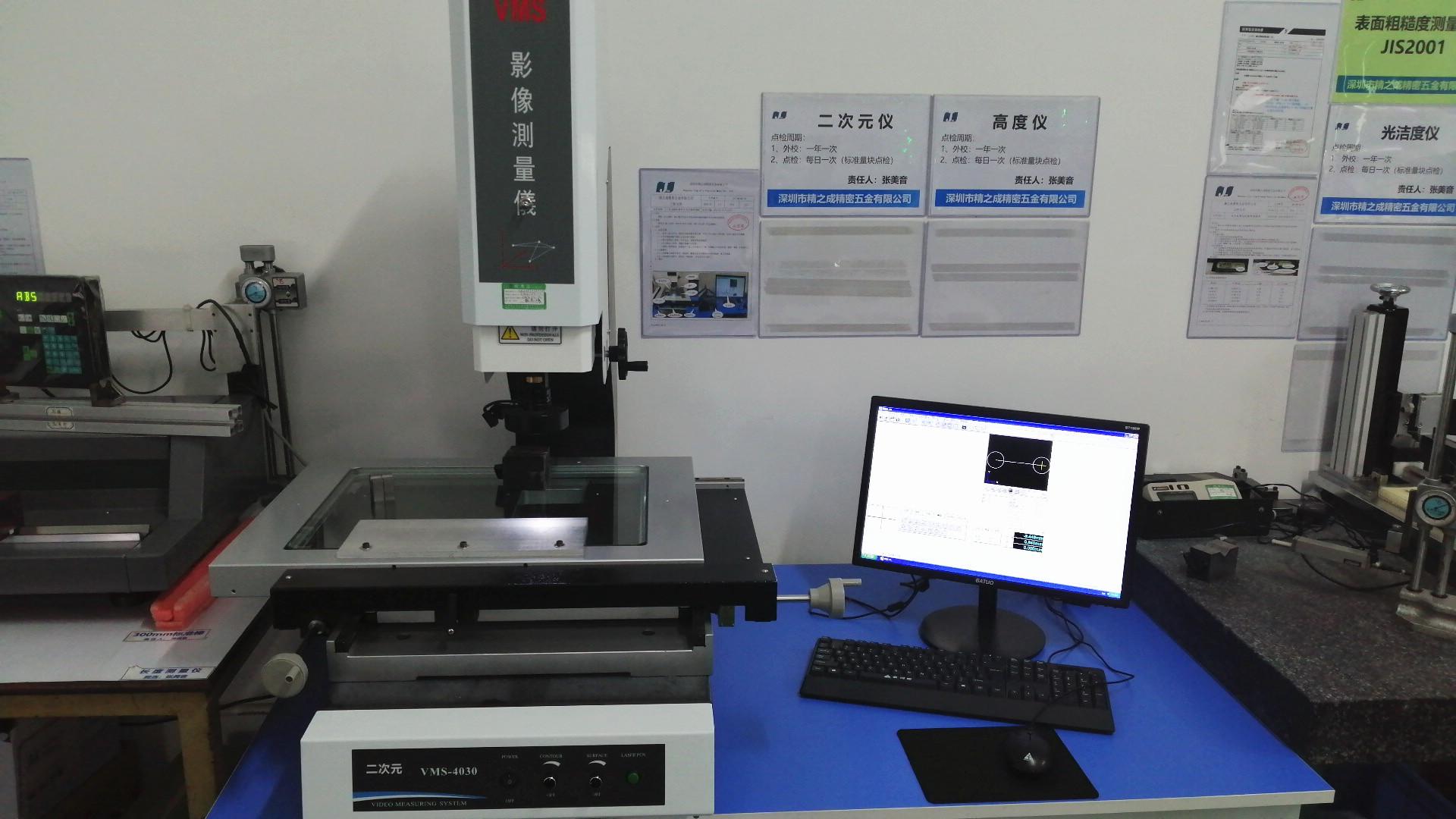
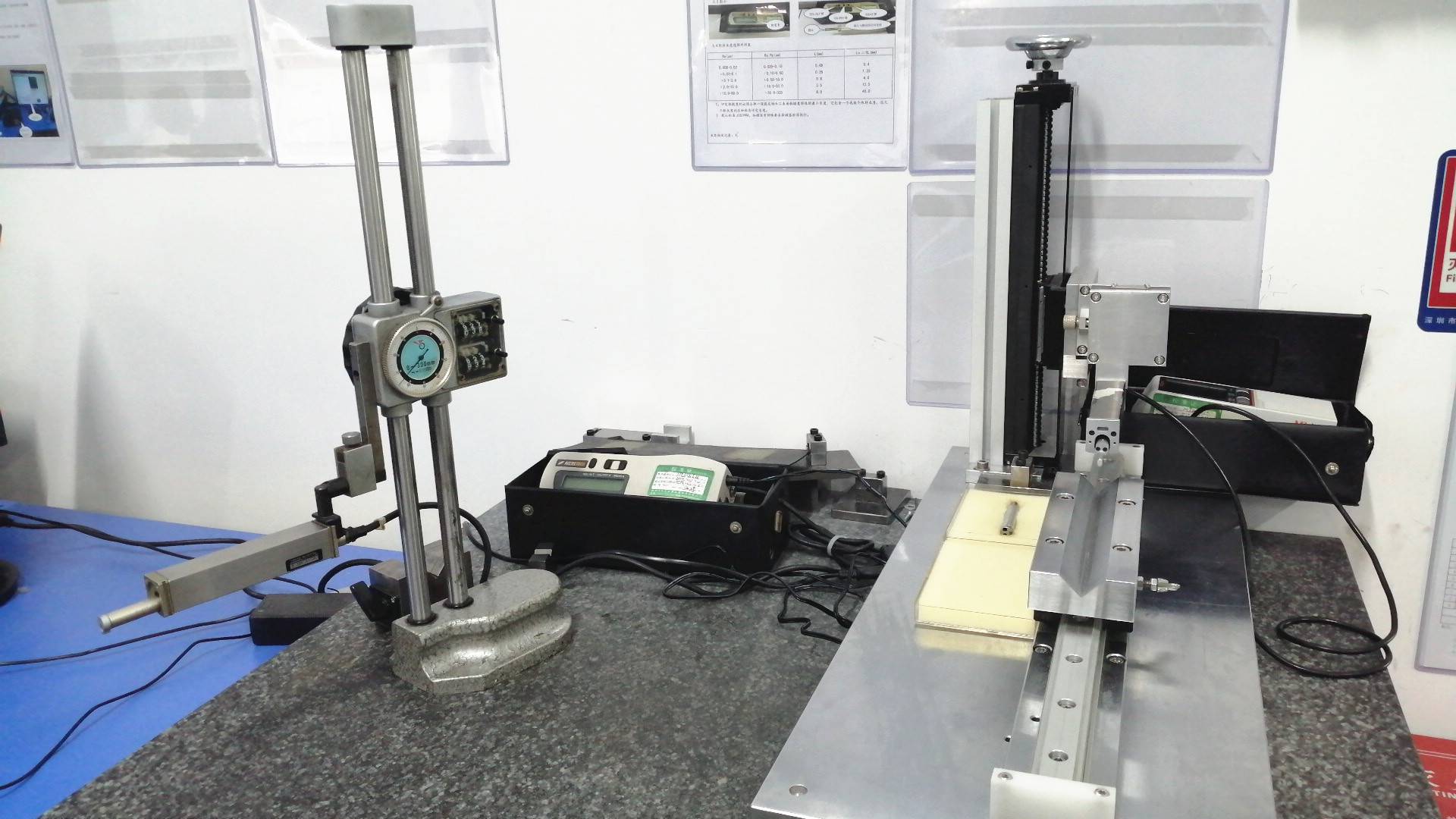
Advanced laboratory testing apparatus ensuring zero-defect product exports to international markets.
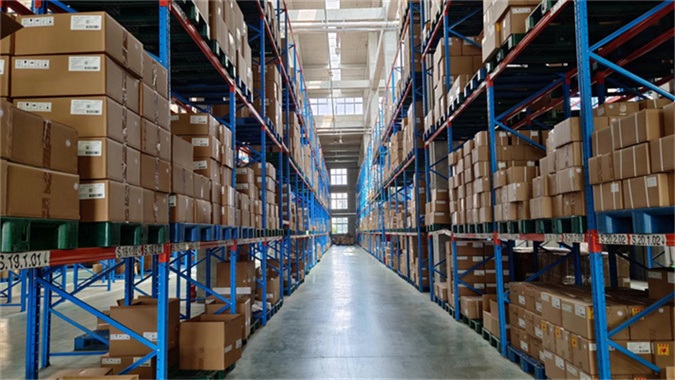
Our manufacturing and sourcing footprint leverages China's industrial supply chain efficiency. From polymer raw material sourcing to cleanroom packaging, every phase is controlled under ISO 13485 environments. Our comprehensive inspection infrastructure ensures that physical dimensions, mechanical tolerances, and corrosion resistances are tracked and documented.
Ensuring seamless compliance for our distribution partners across North America, Europe, and Latin America.
Navigating global regulatory landscapes requires meticulous bio-compatibility certification. Our technical support teams provide comprehensive documentation packets, including ISO 10993 cytotoxicity, sensitization, and systemic toxicity report metrics. We assist OEM/ODM partners in aligning their registration dossiers with EU MDR (Medical Device Regulation) and US FDA 510(k) submission protocols.
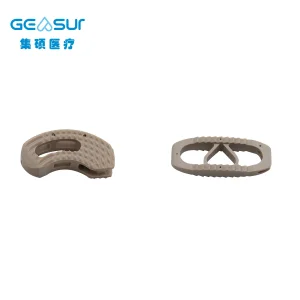
Every clinical market possesses specific structural preferences for surgical tooling and fixation systems. From customizing thread pitches on bioresorbable interference screws to optimizing PEEK cages for lumbar interbody fusion, our manufacturing partners deliver precise material formulations and custom packaging designs.
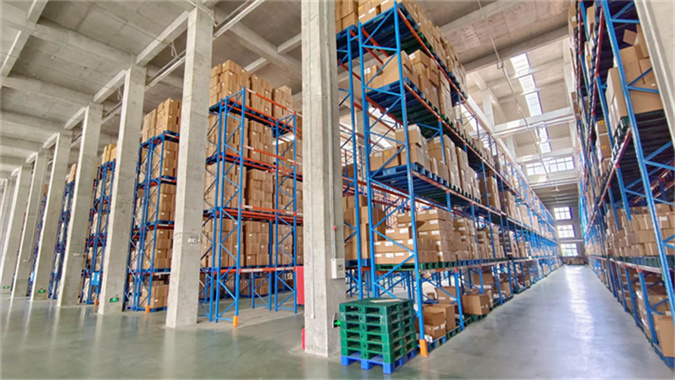
We supply marketing materials, surgical technique guides, and mechanical test data to help our distributors establish trust with local hospital procurement committees. Our responsive logistics system ensures stable shipments to over 30 countries.
Addressing core technical and procurement queries from clinical professionals and medical device distributors.
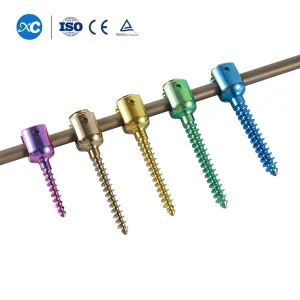
Discover our comprehensive range of titanium, PEEK, and structural surgical instrumentation.
 Weed Orthopedic Implants