Explore our premium grade orthopedic screws, suture anchors, and specialized replacement parts designed for leading clinical platforms.
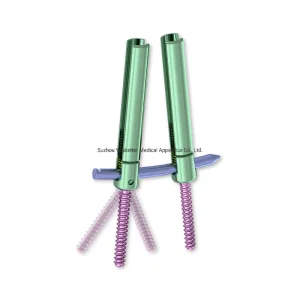
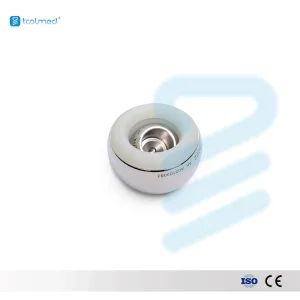
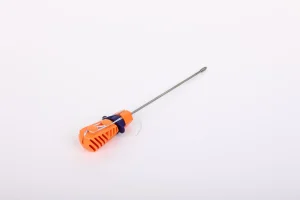
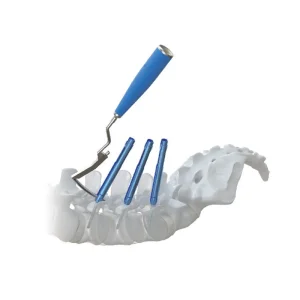
How advanced material selection and rigid engineering processes address the rising demands of minimally invasive joint reconstruction worldwide.

Over the past decade, clinical orthopedics has moved decisively toward minimally invasive modalities. Arthroscopic interventions, spinal pedicle screw systems, and modern fracture fixation methods rely on structural hardware that minimizes tissue trauma and speeds patient recovery. For modern medical centers, selecting an experienced manufacturing partner is critical to ensuring patient safety and regulatory alignment.
At Shenzhen Weed Medical Apparatus Co., Ltd. (established in 2015), we leverage strategic collaborations with elite clinical experts and material scientists to design medical devices that exceed established benchmarks. Working together with domestic and global partners, we develop next-generation solutions tailored to modern joint and soft tissue surgery.
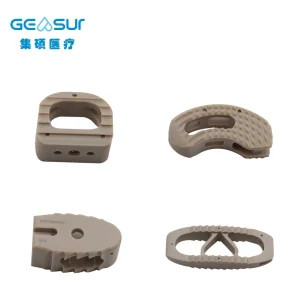
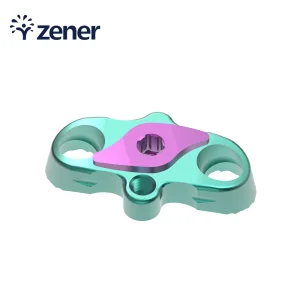
Our implant solutions employ medical-grade Ti-6Al-4V ELI (Grade 23) and advanced Polyether ether ketone (PEEK). These materials provide high fatigue resistance, exceptional osseointegration properties, and elastic moduli closely matching cortical bone.
Through our advanced machining workflows, we achieve dimensional tolerances as narrow as ±3 microns. This ensuring consistent surgical performance during high-stakes structural applications like spinal stabilization and joint replacement.
By working directly with surgeons, university researchers, and hospital departments, we turn clinical observations into refined implant designs that resolve real-world surgical challenges.
Every arthroscopy instrument, cortical screw, and suture anchor undergoes strict validation to guarantee mechanical integrity and patient safety.
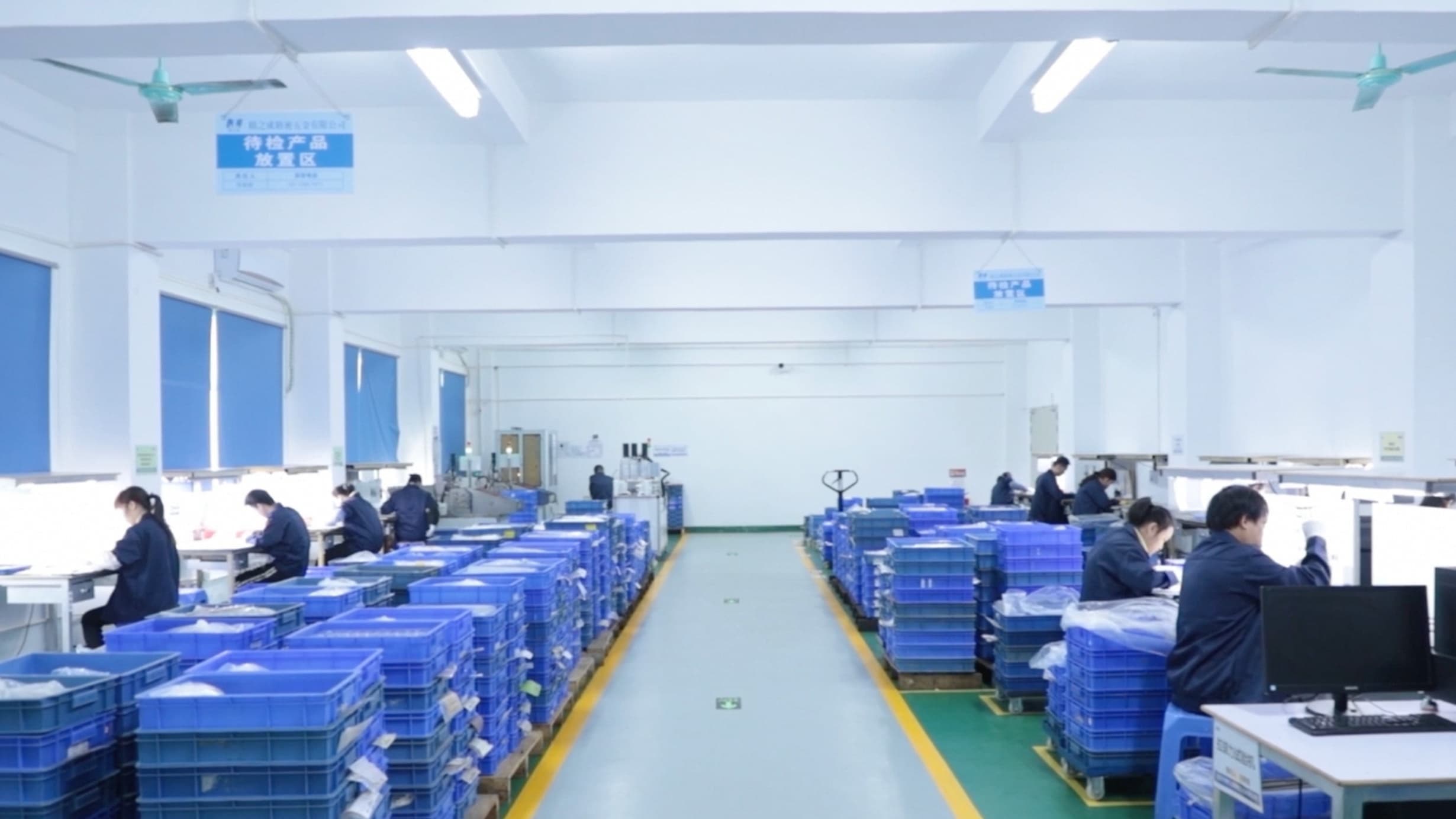
Medical devices work under demanding biomechanical conditions. At Shenzhen Weed Medical, we implement strict, multi-stage testing protocols using highly precise inspection and calibration systems. From surface roughness to tensile limit testing, our QA lab ensures that every shipped device adheres to international performance standards.
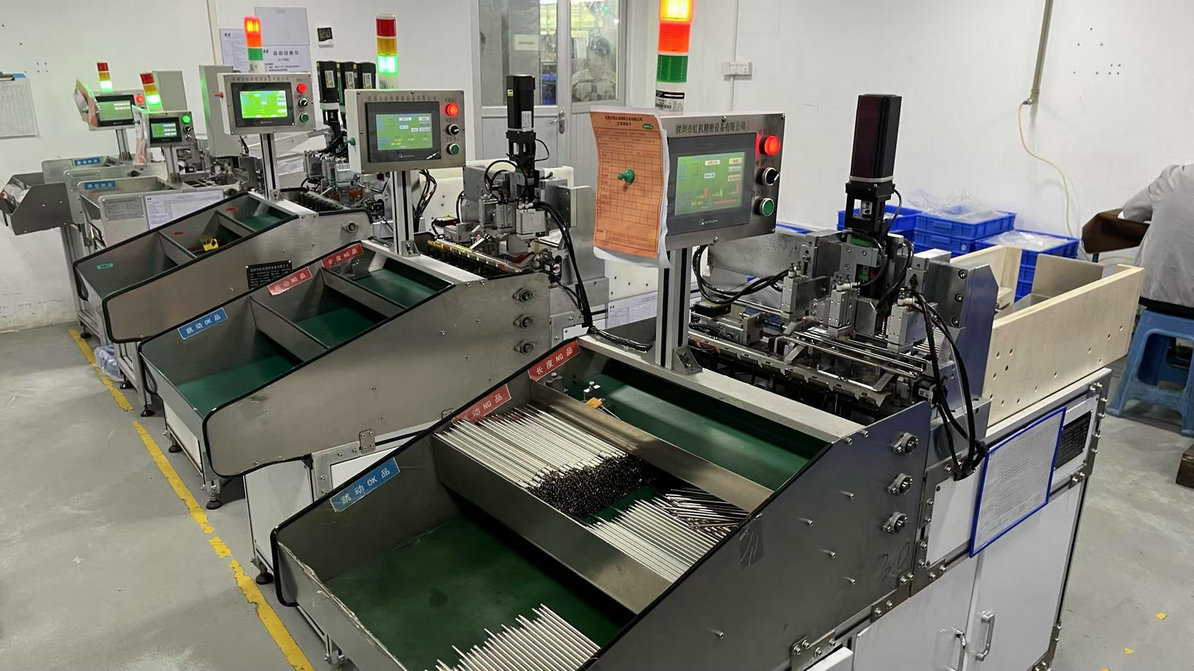
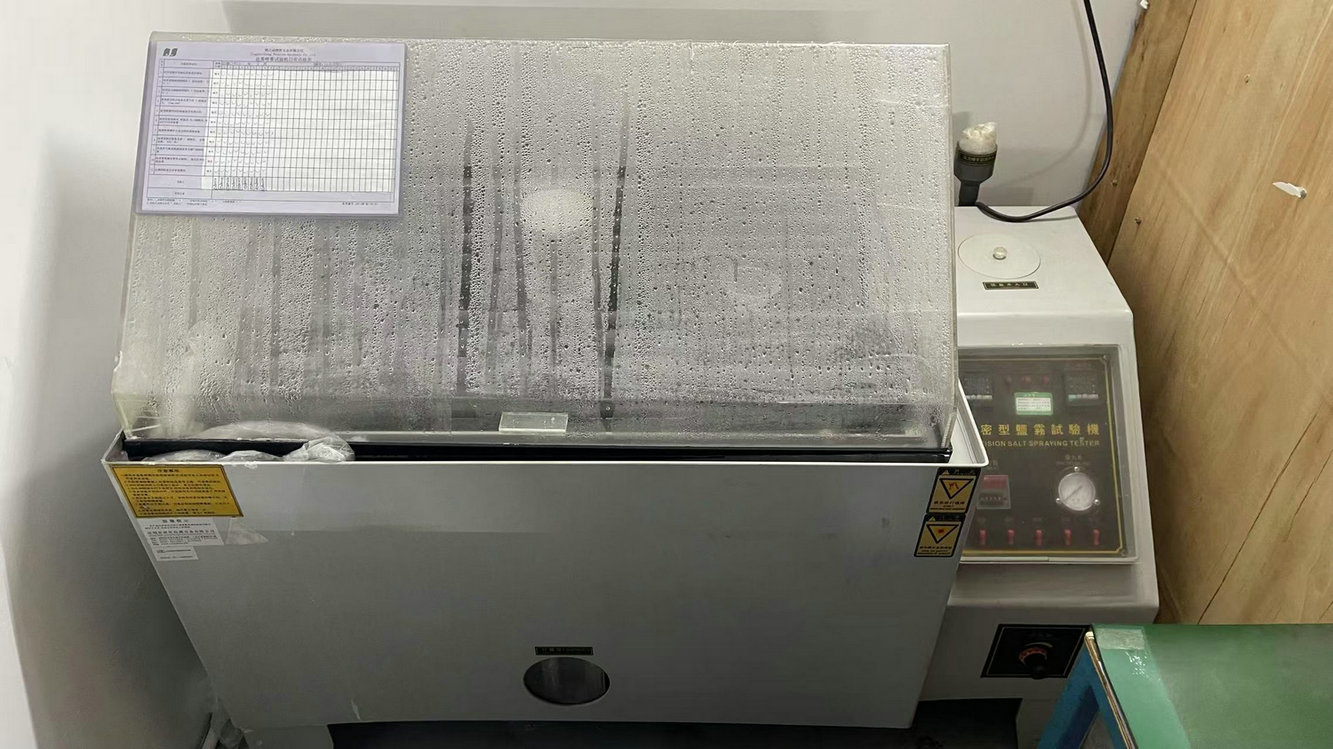
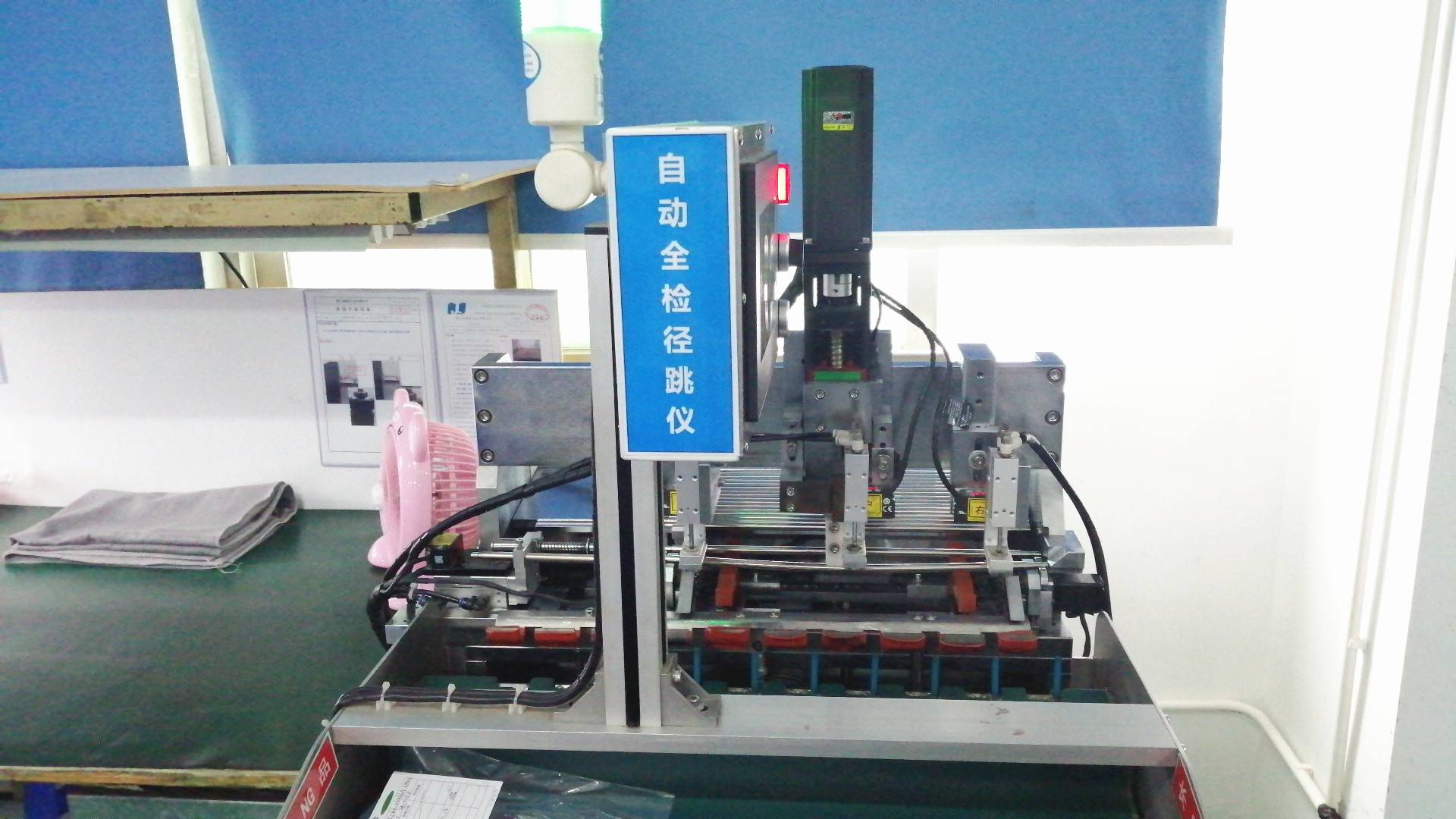
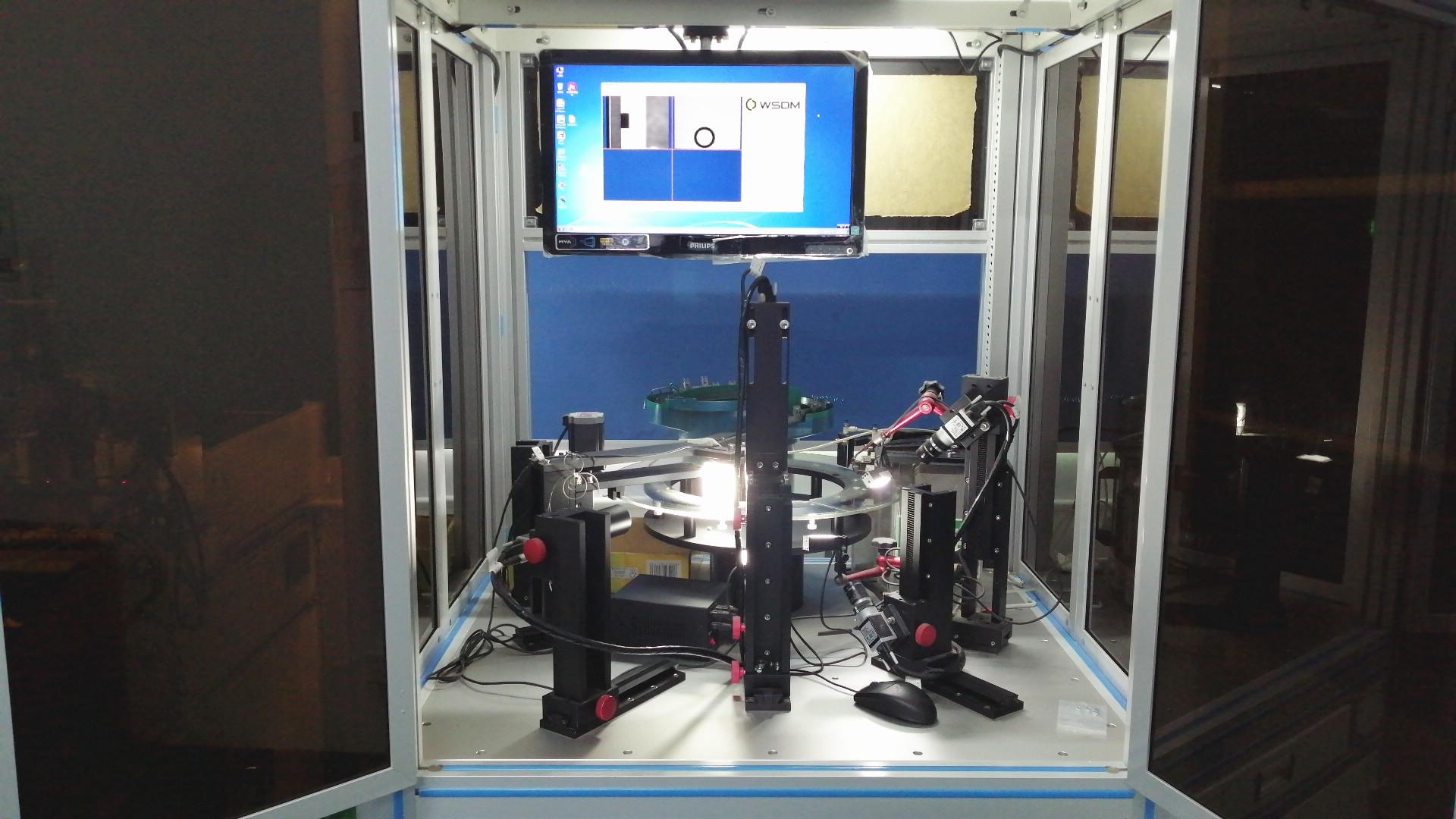
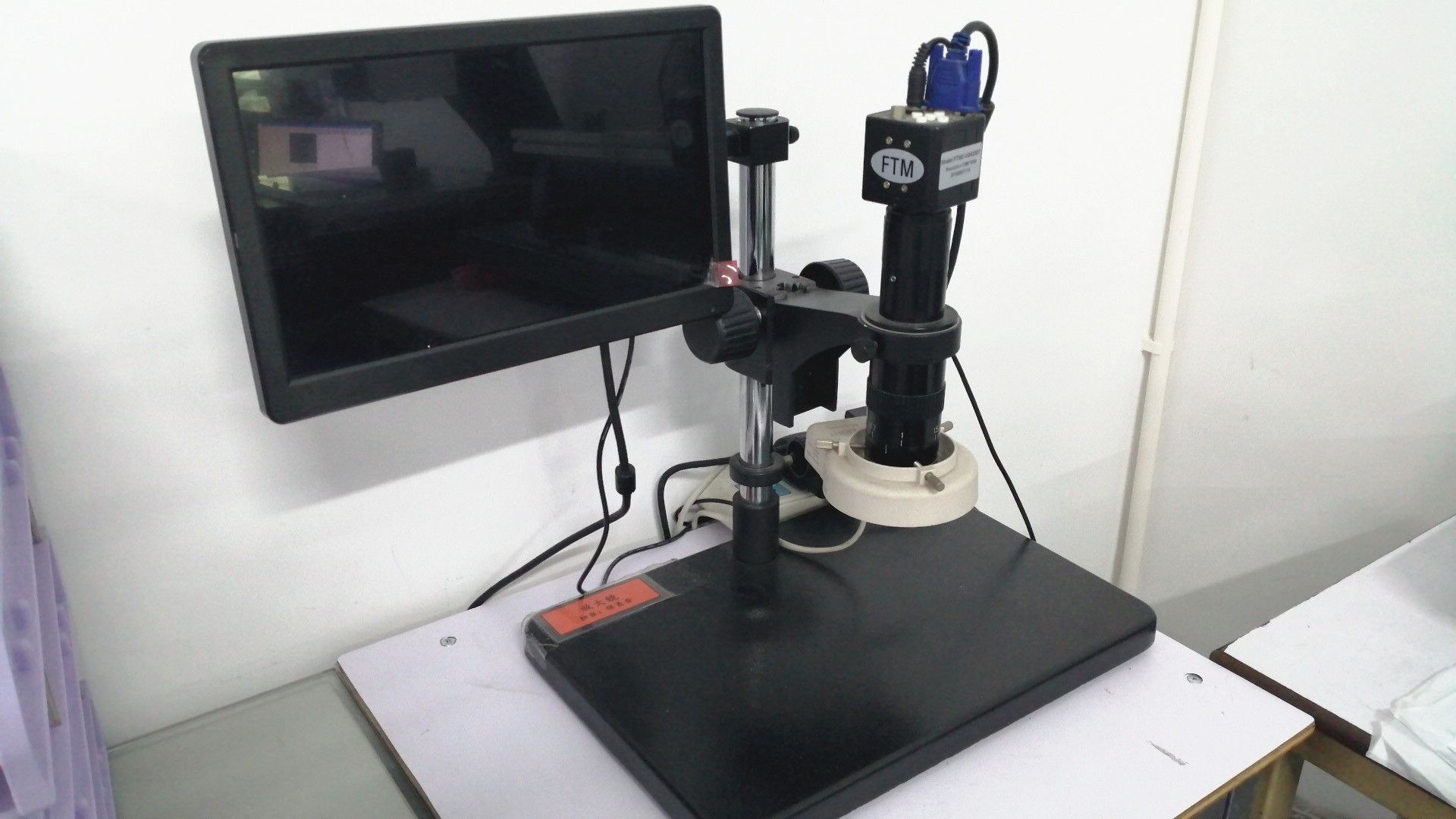
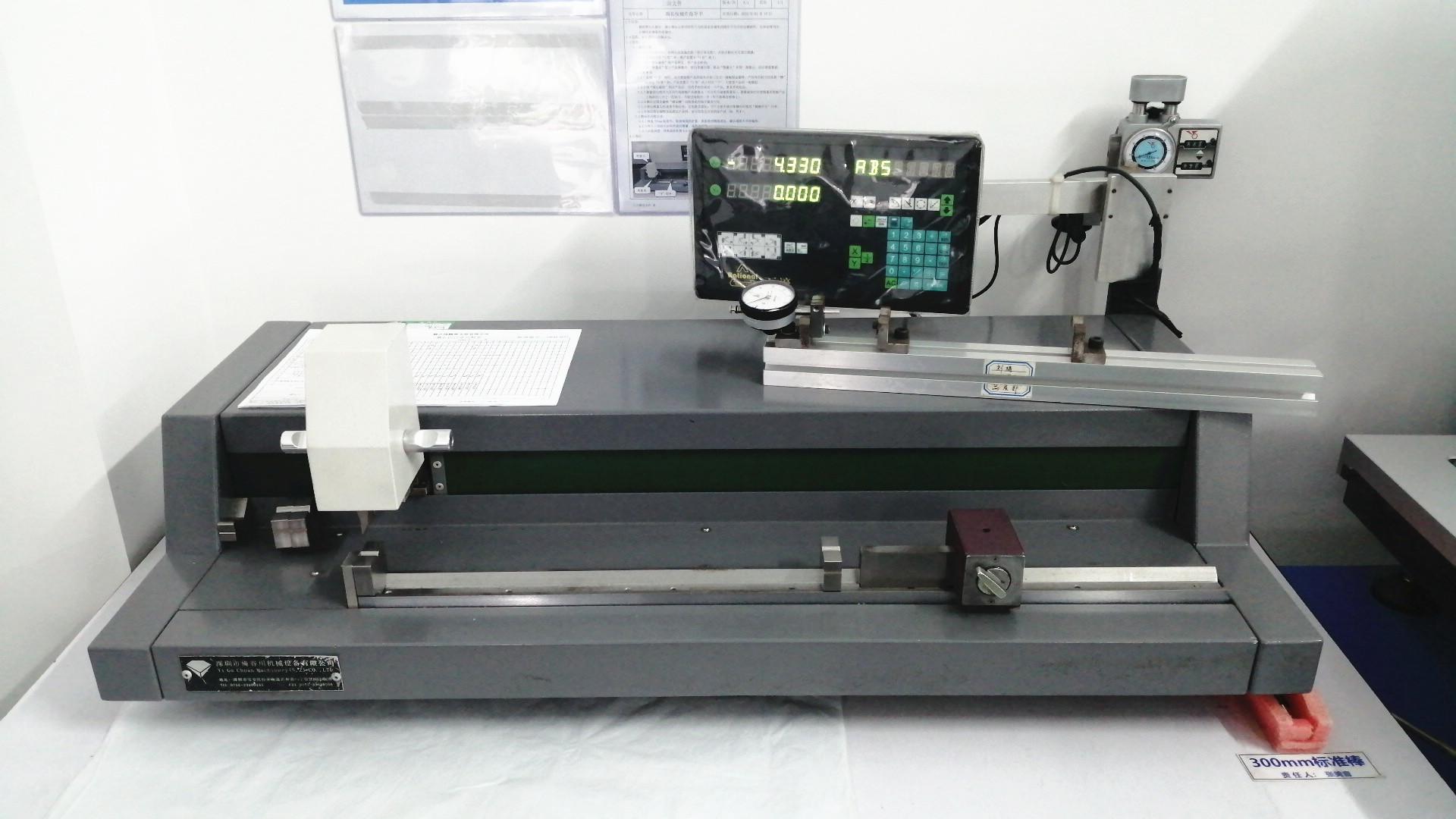
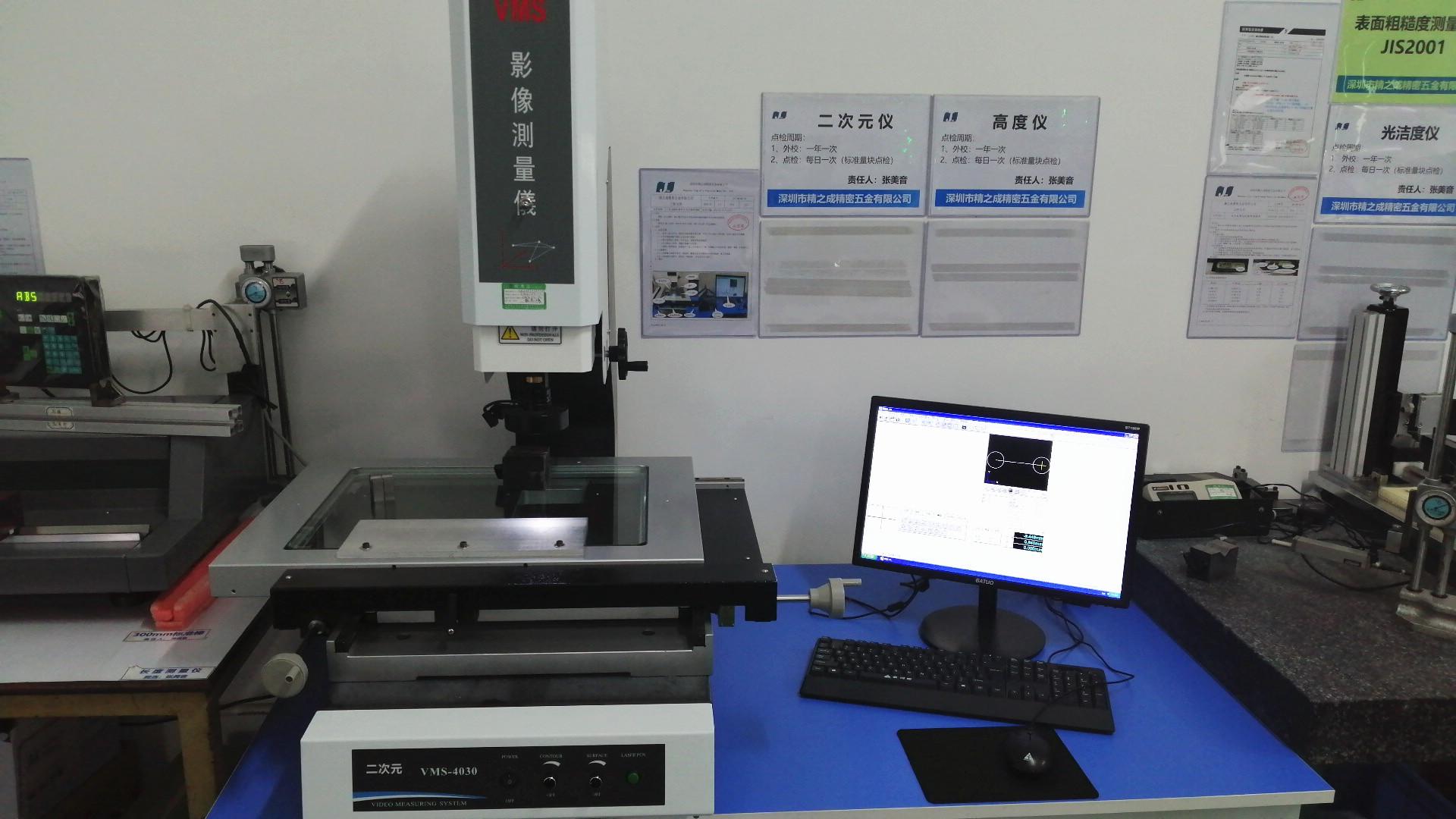
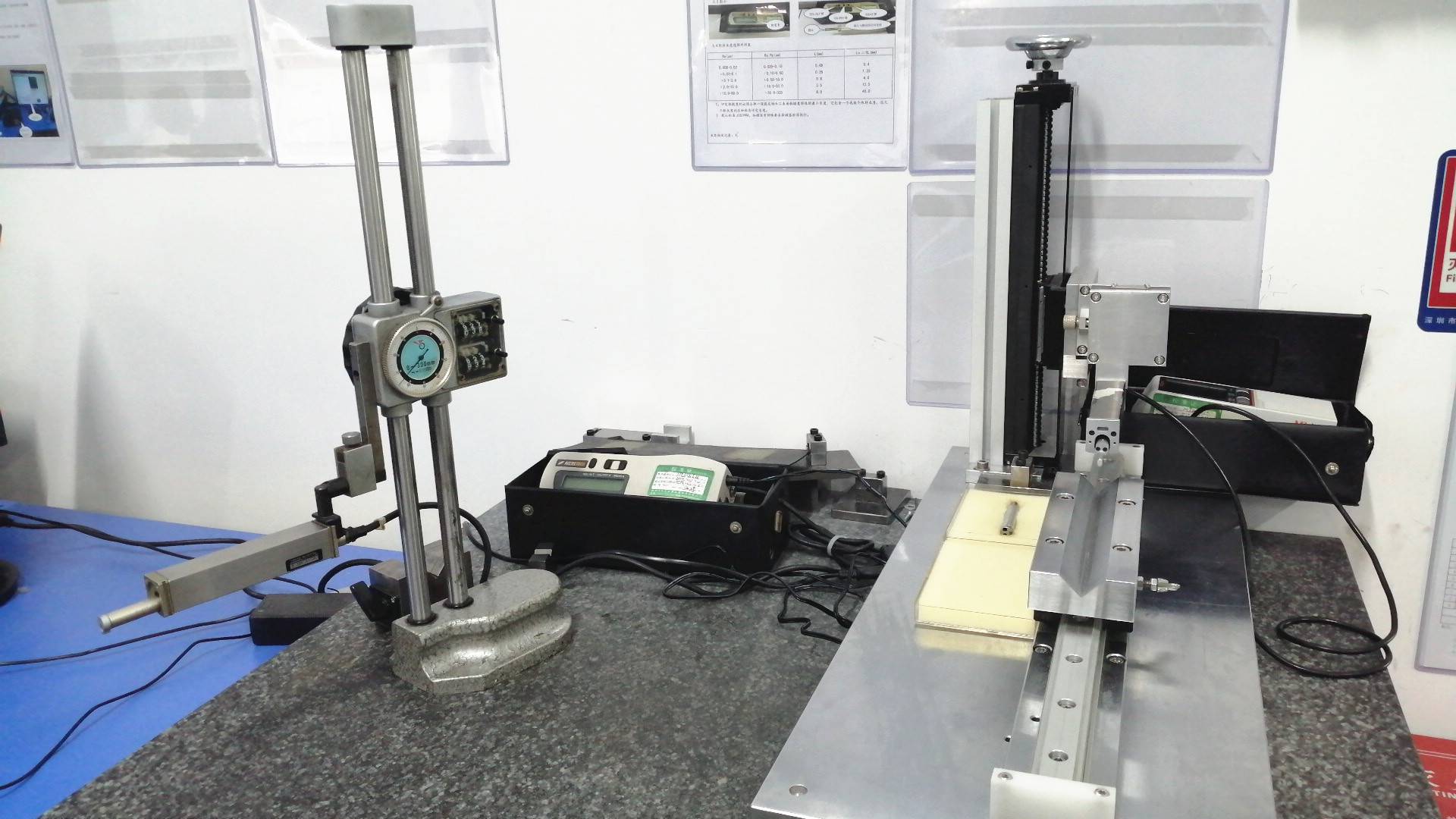
Our Quality Assurance operations utilize state-of-the-art testing equipment to guarantee the performance and longevity of our medical implants and tools:
Navigating global healthcare compliance: FDA 510(k), CE MDR, and localized engineering support across international surgical markets.
Navigating the complex regulatory requirements of international medical supply chains requires a thorough understanding of localized standards. Shenzhen Weed Medical designs its design and manufacturing workflows around the strict rules of ISO 13485 (Medical Devices Quality Management Systems), the European Union Medical Device Regulation (CE MDR), and US FDA guidelines.
Our global export operations handle logistics, custom packaging, and sterilization documentation (including ethylene oxide - EO sterilization). This ensures that implants and surgical instruments arrive clean, sterile, and ready for clinical use in any healthcare facility.
We work closely with medical institutions, research universities, and surgical departments to gather post-market feedback. These insights help us continuously refine our products, allowing us to upgrade materials, improve thread designs, and optimize surgical workflows to support better patient outcomes globally.


A strategic look at biomimetic structures, titanium plasma spray coatings, and customized orthopedic consumables.
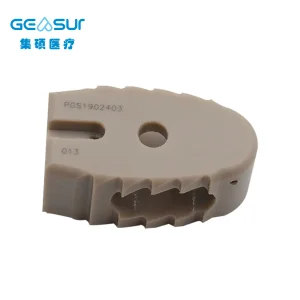
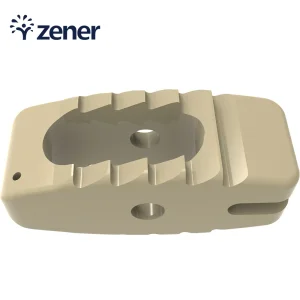
By applying medical-grade titanium plasma spray (TPS) to our PEEK cage systems, we combine the radiolucency of PEEK with the bone-bonding characteristics of titanium.
Using laser powder bed fusion (LPBF) and selective laser melting (SLM), we manufacture custom anatomical implants with porous structures designed to promote cell attachment and bone growth.
We are expanding our range of bioabsorbable polymers (such as PLDLA) for soft-tissue fixation anchors, reducing the need for secondary implant removal procedures.
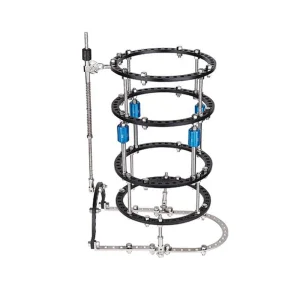
Premium titanium fusion systems, interlocking femoral nails, and structural cages engineered to restore mechanical stability.
Direct technical explanations on materials, sterilization processes, global exports, and customization capabilities.
 Weed Orthopedic Implants