How to Know When a Fracture Needs Surgery in 2026?

Time:2026-11-22 Author:Sienna
0%

A fracture does not always mean an operation. Many broken bones heal well with a splint, cast, or careful follow-up. But some need surgery to restore alignment, protect a joint, or prevent lasting loss of function. When does a fracture need surgical treatment? The answer depends on the bone, the break’s position, and the person’s overall health.

Doctors assess X-rays and sometimes CT scans, alongside symptoms and a physical examination. A fractured wrist with visibly shifted bone may need realignment and fixation. A break extending into a knee or ankle joint can require precise treatment to preserve smooth movement. Open fractures, unstable breaks, and injuries affecting nearby nerves or blood flow may need urgent specialist care. Details matter.

The decision is not based on one image alone. Pain, swelling, skin condition, healing risks, and daily needs can all shape the plan. Age and medical conditions matter, too. Surgery may use plates, screws, rods, or pins, but it also carries risks, including infection and anesthesia complications. There is no single rule for every fracture. Even two breaks that look similar can call for different care.

This guide explains common reasons surgeons recommend an operation, what evaluation may involve, and which questions to ask your clinician. Sudden numbness, a pale or cold limb, severe deformity, or bone visible through skin warrants immediate medical attention. Do not try to reset the bone yourself. A clear conversation with an orthopedic specialist can help you understand the options, benefits, and uncertainties. Sometimes the best choice is less obvious than it first appears.
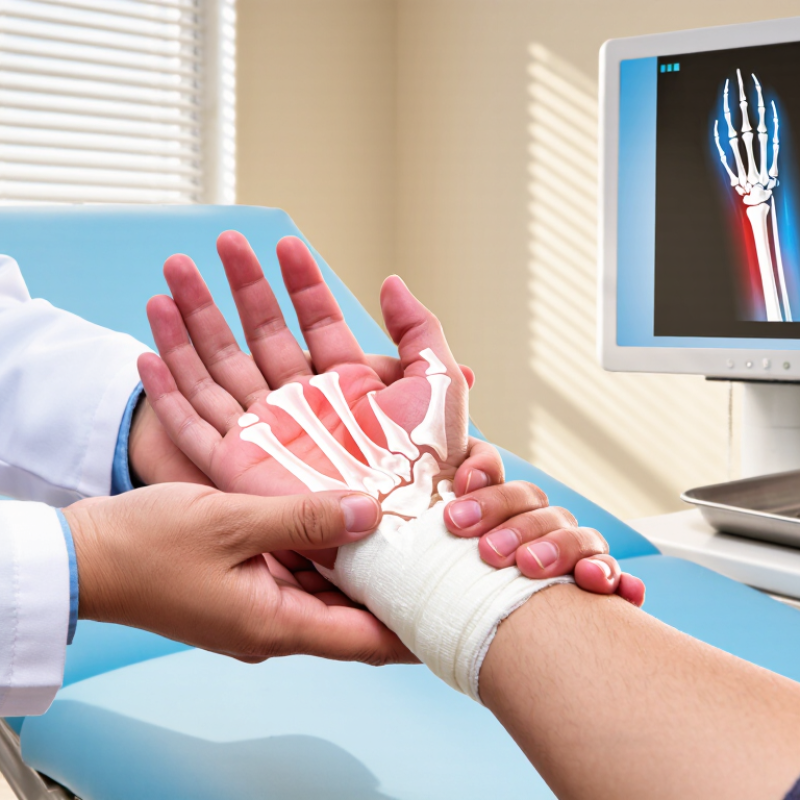
How to Know When a Fracture Needs Surgery in 2026?

How Fractures Are Classified and Assessed

Fracture assessment begins with where the bone broke and how the pieces align. Clinicians describe fractures by location, pattern, and whether the bone is displaced. They also note whether the skin is open or intact. An open fracture needs urgent medical assessment because the wound may expose bone to contamination. A closed fracture can still be unstable.

The shape of the break matters. A straight-line fracture differs from a spiral, crushed, or fragmented break. Doctors also assess whether the fracture extends into a joint and whether nearby bones remain aligned. X-rays usually provide the first view; CT scans may clarify complex injuries. Images are only part of the picture.

Assessment also includes swelling, skin condition, tenderness, movement, and blood flow or sensation beyond the injury. A pale, cold, numb, or increasingly painful hand or foot needs prompt care. Age, bone health, and the demands placed on the injured limb can influence treatment. Even so, labels can make fractures seem tidier than they are. Two similar-looking breaks may behave differently, so surgery decisions rely on the full examination and imaging, not one classification term alone.

Signs That a Fracture May Need Surgery

Some fractures heal well in a splint or cast. Others may need surgery when bone ends are far apart, badly angled, or unstable on X-rays. A break that reaches a joint may also need careful alignment to protect movement. Open fractures, where bone or deep tissue is exposed, need urgent hospital care. The decision depends on the fracture pattern, skin, circulation, overall health, and daily needs—not pain alone.

Tips: Keep the injured area still and raised, and follow medical instructions. Do not try to straighten it. Seek emergency care for exposed bone, worsening numbness, pale or cold fingers or toes, or severe swelling. Bring X-ray reports if available.

Other signs include a fracture that shifts after casting, a visibly deformed limb, or a break that cannot stay aligned during follow-up. A clinician may discuss plates, screws, or rods, but not every displaced fracture needs an operation. Ask about the risks of non-surgical care, treatment timing, and recovery. It is tempting to treat one X-ray as the whole story. It isn’t; the images and the injured limb both need assessment.

Tests Used to Guide the Surgical Decision

How to Know When a Fracture Needs Surgery in 2026?

Tests Used to Guide the Surgical Decision

A surgical decision begins with the fracture and the person, not a scan alone. Clinicians check skin damage, swelling, limb alignment, sensation, circulation, and pain. A cold foot or new numbness needs urgent attention. X-rays usually show the fracture’s location and alignment; images from more than one angle can reveal displacement that a single view misses. The Global Burden of Disease 2019 study, published in 2021, estimated 178 million new fractures worldwide that year. That scale makes consistent assessment important, though each injury still needs individual judgment.

When an X-ray is unclear, CT can show small fragments, joint-surface involvement, and how far the bone has shifted. MRI can reveal hidden fractures or soft-tissue injuries when symptoms persist despite normal X-rays. The American College of Radiology’s acute hip pain criteria consider MRI or CT appropriate when a fracture remains suspected after negative radiographs. These tests help answer practical questions: Is the joint surface uneven? Is the bone stable under load? Will alignment likely hold in a cast? A scan cannot answer everything. Pain, mobility, overall health, and healing risks matter too. I would not treat a borderline image as a verdict; sometimes the examination and follow-up change the picture.

Surgical Approaches for Different Fracture Types

A fracture does not automatically need surgery. The decision depends on its location, alignment, stability, and effect on nearby joints or nerves. A displaced bone that cannot stay aligned in a cast may need fixation. Open fractures, severe joint damage, or pressure on nerves and blood vessels call for urgent specialist assessment. Not always.

Different breaks need different approaches. A wrist fracture may be secured with a small plate and screws when the joint surface is badly displaced. For a long-bone fracture, such as a broken thigh bone, a metal rod inside the bone can hold the pieces steady while they heal. Some complex fractures need plates, screws, or temporary external supports. The method depends on the fracture pattern and the patient’s health.

Hip fractures in older adults may be repaired with screws or a rod; some require joint replacement when the bone’s blood supply or shape is compromised. Spine and pelvic fractures are often treated without surgery, but instability, deformity, or nerve symptoms may change that plan. It depends. X-rays, and sometimes CT scans, help surgeons judge alignment and plan treatment. Recovery still takes patience: hardware can stabilize bone, but it does not make healing immediate. Even careful plans can change when swelling settles or follow-up images reveal movement.

Factors That Shape Surgery Timing and Treatment Planning

A fracture does not need surgery just because it looks dramatic on an X-ray. Surgeons consider whether the broken pieces are displaced, whether a joint surface is involved, and whether the bone can stay aligned in a cast or brace. They also assess circulation, sensation, skin condition, and the person’s general health. Small changes matter: numb fingers, pale toes, or worsening pain need prompt medical attention.

Timing depends on the injury and the patient. An open fracture, where bone or a wound exposes the injury, may need urgent treatment. So may signs of pressure damaging muscles or nerves. Other fractures can sometimes wait briefly while swelling settles, making surgery safer for the skin. The calendar is not the whole story. A delay that is reasonable for one fracture may be risky for another.

Planning also includes reviewing imaging, medications, other illnesses, and the demands of daily life. A surgeon may discuss anesthesia, infection risk, hardware, rehabilitation, and how soon weight can be placed on the limb. Ask what changes would make the plan urgent, and what recovery may look like at home. It can feel frustrating when the answer is “not yet.” Still, the safest timing is individualized, and plans may change as swelling or new findings emerge.

How to Know When a Fracture Needs Surgery in 2026

Timing targets for two common urgent fracture-care situations

What this means: Some fractures need surgery because the bone is unstable or displaced; others need urgent treatment because blood flow, skin, or surrounding tissue is at risk. These are general timing targets—not a decision rule for an individual injury. A threatened limb or severe contamination may require immediate treatment, while medical stabilization and soft-tissue condition can affect timing.

Guideline context: NICE hip-fracture guidance; AAOS Management of Hip Fractures in Older Adults; BOAST Open Fractures. Seek emergency care for a suspected fracture with an open wound, severe deformity, numbness, or a pale/cold limb.

FAQS

How are fractures classified?

Clinicians consider the break’s location, shape, alignment, and whether the skin is open or intact. A break may be straight, spiral, crushed, or fragmented. Labels help, but they can make complicated injuries seem too tidy.

What is the difference between an open and closed fracture?

An open fracture involves a wound that may expose bone to contamination and needs urgent medical assessment. A closed fracture has intact skin, but it can still be unstable. Skin appearance alone does not tell the whole story.

How do clinicians assess a fracture?

They examine swelling, skin, tenderness, movement, and blood flow or sensation beyond the injury. X-rays usually provide the first view; CT scans may clarify complex breaks. Images help, but they are not the whole picture.

Does every fracture need surgery?

No. A fracture may be treated with a cast or brace if the bones stay aligned. Surgery may be considered when a displaced break cannot remain stable, or when a joint is badly affected.

What kinds of surgery may be used?

A wrist fracture may need a small plate and screws. A long-bone fracture may be held with a rod inside the bone. Complex breaks may need several supports. The approach varies.

When might a hip fracture need joint replacement?

Some hip fractures can be repaired with screws or a rod. Joint replacement may be considered if the bone’s blood supply or shape is compromised. The choice depends on the injury and the patient’s health.

How quickly should fracture surgery happen?

Open fractures and signs of pressure affecting nerves or muscles may need urgent treatment. Other injuries may wait briefly while swelling settles and the skin becomes safer for surgery. Timing depends on the specific fracture.

What symptoms after a fracture need prompt attention?

A pale, cold, or numb hand or foot needs prompt medical care. Increasing pain can also be concerning. Small changes matter.

What can affect fracture treatment and recovery?

Age, bone health, other illnesses, medications, and daily demands can shape the plan. Hardware can steady bone, but it does not make healing immediate. Follow-up images may change the plan, which can feel frustrating.

Conclusion

This article explains how fractures are classified and assessed, from their location and pattern to how far the bone has shifted. It highlights warning signs that may indicate surgery is worth considering, such as severe displacement, an unstable break, damage to a joint, or an open fracture. The central question, “When does a fracture need surgical treatment,” depends on whether the bone can heal in a stable, functional position without an operation.

Imaging tests and a physical examination help clinicians evaluate the fracture and choose an approach suited to its type. Treatment may involve holding the bone in place with internal or external fixation, while some fractures can be managed without surgery. The article also outlines how factors such as overall health, injury severity, soft-tissue damage, and healing risks shape the timing and planning of treatment. Decisions are individualized, with the goals of restoring alignment, supporting healing, and preserving movement.

Sienna

Sienna

Sienna is a skilled marketing professional with a deep expertise in our company’s core products and services. With a passion for innovation and detail, she plays a pivotal role in crafting insightful blog posts that not only highlight the unique features of our offerings but also provide valuable......