When people ask, “What are the symptoms of implant rejection,” they often mean pain, swelling, redness, or unusual movement around an implant. These signs can appear after dental, breast, joint, or other implant procedures. However, “rejection” is not always the correct medical explanation. True immune rejection is uncommon for many synthetic implants. Infection, tissue irritation, allergic reactions, poor healing, or mechanical failure may look similar.
The warning signs deserve careful attention. Increasing warmth, spreading redness, drainage, fever, or pain that worsens instead of improving may indicate infection. A dental implant might feel loose while chewing. A joint implant may cause new instability, clicking, or difficulty walking. With a breast implant, sudden shape changes, hardening, swelling, or persistent tenderness should be assessed. Some symptoms are subtle.
Do not rely on appearance alone.
A qualified surgeon, dentist, or specialist may examine the site and review your medical history. They might order imaging, blood tests, or other assessments to identify the actual cause. Timing also matters. Mild swelling can be expected soon after surgery, while symptoms that return months later need a different evaluation. Even experienced clinicians can initially misinterpret these patterns. That is why self-diagnosis can be unreliable. This guide explains common symptoms, important differences, and situations requiring prompt medical care. Seek urgent help for severe pain, rapidly spreading redness, high fever, heavy bleeding, or breathing difficulty.
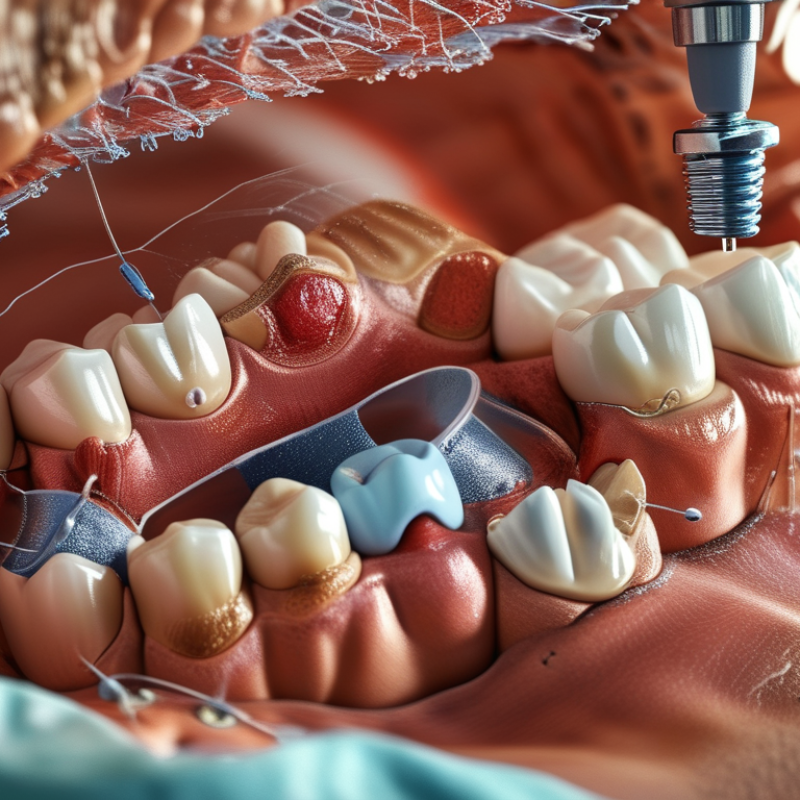
What Are the Top Symptoms of Implant Rejection?
“Implant rejection” is often used too broadly. True immune rejection is uncommon with many medical devices. Symptoms such as increasing redness, warmth, swelling, drainage, or persistent pain may instead indicate infection. Fever, chills, foul-smelling fluid, or rapidly worsening tenderness require prompt medical assessment. Do not wait for severe pain.
Device failure creates a different pattern. You may notice loosening, clicking, shifting, reduced function, or a visible change in position. A dental implant might feel unstable. A joint implant may cause new grinding or difficulty bearing weight. These signs can resemble infection or inflammation, so symptoms alone cannot identify the cause. Imaging, physical examination, and sometimes laboratory tests are needed. My wording may sound cautious, but that is important: “rejection” should not be assumed from redness alone.
Tips: Photograph changes daily, including swelling or drainage. Record temperature, pain level, and when symptoms began. Keep the incision clean and avoid pressing, twisting, or removing dressings unless instructed. Contact the implanting clinician promptly about new symptoms. Seek urgent care for breathing difficulty, severe swelling, uncontrolled bleeding, confusion, or a high fever. Even a small change can matter.
| Symptom or Sign | What It May Indicate | Typical Context | Recommended Action |
|---|---|---|---|
| Increasing or persistent pain | Infection, inflammation, tissue irritation, or mechanical/device problems | Pain that worsens after initial recovery or returns after improving | Contact the treating clinician promptly, especially when accompanied by fever, drainage, or swelling |
| Redness, warmth, or expanding swelling | Possible local infection or significant inflammatory response | Skin around a surgical site or implanted device becomes increasingly red, hot, or swollen | Arrange urgent medical assessment; rapidly spreading redness requires same-day care |
| Drainage, pus, or unpleasant odor | Strongly suggests wound or implant-associated infection | Fluid leaking from an incision, drainage opening, or site over the implant | Seek prompt medical care; do not squeeze the area or remove dressings unless instructed |
| Fever, chills, or feeling unusually unwell | Possible infection or, in transplant recipients, a complication requiring urgent review | Systemic symptoms occurring with local pain, redness, swelling, or reduced function | Contact a healthcare professional urgently; follow transplant-team instructions when applicable |
| Wound separation or skin breakdown | Infection, poor healing, excessive tension, or exposure of the device | An incision opens, the skin becomes thin, or the implant becomes visible or palpable through damaged skin | Seek urgent medical attention and keep the area clean and covered as directed |
| New firmness, hardness, or tightening | Scar-tissue formation, such as capsular contracture, or chronic inflammation | More commonly reported around certain soft-tissue implants; may cause discomfort or shape changes | Schedule an evaluation; sudden severe pain or rapid enlargement requires urgent care |
| Change in position, shape, or symmetry | Displacement, loosening, rupture, leakage, or surrounding tissue changes | The implant looks or feels different, shifts, or becomes uneven compared with earlier recovery | Arrange a clinical examination; imaging may be needed to assess the device |
| Reduced function or new mechanical symptoms | Device failure, loosening, blockage, malposition, or tissue injury | Reduced movement, unusual clicking, instability, difficulty using the device, or loss of expected benefit | Stop strenuous activity if advised and contact the appropriate healthcare professional |
| Persistent rash, itching, or localized skin reaction | Contact dermatitis, allergy to dressings or medicines, or less commonly an implant-related inflammatory response | Symptoms may occur near the incision or after exposure to a new product or medication | Seek medical advice; emergency care is needed for facial swelling, breathing difficulty, or widespread hives |
| Reduced function of a transplanted organ or tissue | Possible immune-mediated rejection, infection, medication problems, or other transplant complications | Symptoms depend on the transplanted organ and may include reduced urine, jaundice, shortness of breath, fatigue, or pain | Contact the transplant team immediately; do not change anti-rejection medicine without medical advice |
| Sudden severe pain, heavy bleeding, breathing difficulty, or confusion | Potential emergency, including severe infection, bleeding, clot, allergic reaction, or major device complication | Symptoms may develop rapidly and may occur with fainting, bluish skin, or marked weakness | Seek emergency medical care immediately |
: Persistent pain, increasing swelling, spreading redness, warmth, drainage, or unusual movement may require medical review. Mild tenderness can be normal early.
Thick yellow or green fluid, foul-smelling discharge, or drainage that continues needs prompt clinical assessment. Clear fluid may occur briefly.
You may notice shifting, clicking, instability, or movement during walking, joint use, biting, or other normal activity. Do not twist it.
No. Infection, poor healing, mechanical stress, or an allergic response can cause similar signs. Only a qualified clinician can assess the cause.
Check the area daily in good light. Record pain, redness, warmth, drainage, swelling, and unusual movement. Small changes matter.
Fever, unusual fatigue, reduced function, fluid weight gain, or breathing changes may signal a problem. Symptoms can be quiet.
Reduced urine, rising weight, breathlessness, swelling, lower oxygen readings, jaundice, dark urine, or abdominal swelling need prompt review. Trends matter more.
No. A single temperature, weight, oxygen reading, or urine change can mislead. Track repeated changes and contact the transplant team. Do not wait for severe pain.
Contact your surgeon, implant specialist, or transplant team promptly for fever, severe pain, spreading redness, persistent changes, or sudden loosening. Immediate help may be needed for severe breathing trouble or rapid deterioration.
“What are the symptoms of implant rejection” depends on whether the concern involves an organ transplant, a medical device, or another implanted material. Rejection may reflect an immune response, but similar symptoms can also result from infection, inflammation, or device failure. Local warning signs may include increasing pain, swelling, warmth, redness, unusual drainage, wound changes, or a feeling that the implant has shifted or become loose. Symptoms can appear suddenly, suggesting an acute problem, or develop gradually over time as chronic rejection or reduced implant function.
Systemic signs deserve prompt attention and may include fever, unusual fatigue, reduced physical function, and changes related to the affected organ, such as altered urine output, breathing difficulty, or digestive symptoms. The likelihood of rejection varies by organ and by the time period studied; first-year rates reported in transplant data differ across organ types and patient circumstances. Anyone experiencing new or worsening symptoms should contact a qualified healthcare professional promptly for evaluation, testing, and appropriate treatment.

 Weed Orthopedic Implants