China Top Joint Implants How Do They Restore Function?

Time:2026-11-08 Author:Liam
0%

Joint pain can turn ordinary movements into daily challenges: climbing stairs, standing from a chair, or walking across a room. For some people with severe joint damage, an implant may reduce pain and help restore useful movement. But what does that involve? How do implants help restore joint function? In a joint replacement, a surgeon removes damaged surfaces and places components designed to move together. These parts may be made from metal, ceramic, or durable medical-grade polymers. Their shape and fit help support movement while reducing painful contact between damaged surfaces.

China is home to manufacturers producing hip, knee, and other orthopedic implants. Yet “top” should not mean choosing a product by reputation alone. Implant design, material quality, manufacturing controls, clinical evidence, and relevant regulatory status all matter. So does the patient. A surgeon considers factors such as bone condition, activity level, anatomy, medical history, and the specific joint involved before recommending an implant. No single model is right for everyone.

Recovery is part of the result. After surgery, patients may use a walker, practice careful steps, and follow a rehabilitation plan to rebuild strength and balance. Progress can be gradual. Implants do not recreate a natural joint exactly, and they cannot guarantee a pain-free outcome. That is worth remembering. Results vary, and complications or future revision surgery are possible. Understanding these limits helps patients ask better questions and compare options with their orthopedic care team. This guide explores how joint implants are designed, how they support movement, and what to consider when evaluating products from China.
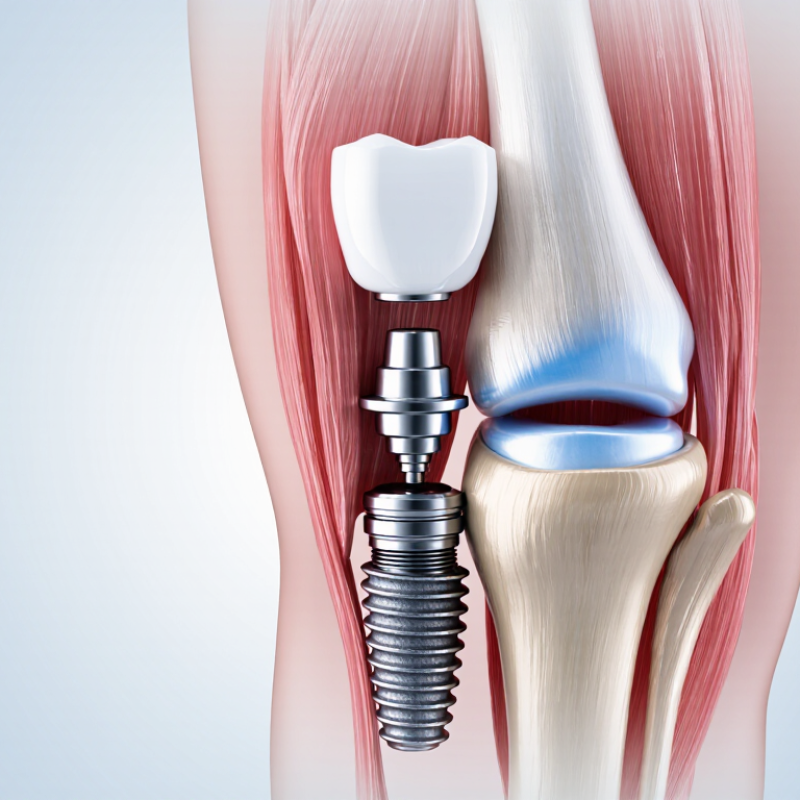
China Top Joint Implants How Do They Restore Function?

What Are Joint Implants and Which Types Are Used in China?

Joint implants are medical devices that replace damaged joint surfaces, reduce pain, and support movement. In China, hip and knee replacements are commonly performed for severe arthritis, fractures, or joint damage. A hip implant usually includes a stem inside the thighbone, a ball, and a socket placed in the pelvis. Knee implants replace worn surfaces at the ends of the thighbone and shinbone. They are not complete new joints. Surrounding muscles and ligaments still matter.

Other options include shoulder, elbow, and ankle implants, though they are used less often. Materials may include medical-grade metal, ceramic, and durable plastics. The exact combination depends on the joint and a patient’s health and activity needs. Some implants are fixed with bone cement; others rely on bone growing onto a textured surface. There is no universal best choice. It can feel less straightforward than people expect.

In Chinese hospitals, surgeons assess imaging, bone quality, age, mobility, and medical history before recommending an implant. They also consider rehabilitation access and the patient’s daily routine, such as climbing stairs or squatting. These details can influence both implant design and fixation. Recovery varies, and an implant cannot restore every movement or remove all discomfort. Patients should ask about expected benefits, risks, follow-up visits, and rehabilitation plans with their orthopedic team.

How Are Joint Implants Selected for Different Conditions?

Selecting a joint implant begins with the condition causing pain and limiting movement. A clinician considers examination findings, imaging, medical history, and the patient’s daily goals. For knee arthritis, damage may affect one part of the joint or several, influencing whether a partial or total replacement is considered. Hip choices depend on factors such as bone shape, activity, and how much joint damage is present. No scan tells the whole story. Pain, strength, and mobility matter too.

The implant’s design and fixation method are matched to the joint and the patient’s anatomy. Bone quality, previous surgery, infection risk, and other health conditions may affect the options. Age alone does not determine the choice; a person’s activity level and expected recovery also count. Some patients may be suitable for less extensive surgery, while others need broader reconstruction. There is no single implant that fits everyone. Ask how each option may affect movement, durability, and recovery, and what uncertainties remain. Small details matter. A careful choice is made with a qualified orthopedic specialist, not from a product description alone.

What Materials and Designs Help Implants Function?

Joint implants restore movement by replacing damaged joint surfaces and transferring body weight through stable components. Material choice and geometry both matter. Titanium alloys are commonly used for stems because they are strong and relatively light. Cobalt-chromium alloys often form durable bearing surfaces, while highly cross-linked polyethylene can reduce wear between moving parts. Ceramic bearings offer another option, but no material suits every patient.

Design supports function in practical ways. A shaped knee insert helps guide bending; a hip cup and ball allow rotation while limiting friction. Porous surfaces can encourage bone attachment, while cemented fixation may suit some patients with weaker bone. The Lancet’s 2019 systematic review reported 89.4% hip replacement survival at 15 years in national registry data. That is a population estimate, not a personal guarantee. Fit matters. A good design on paper may still feel wrong if alignment, bone quality, or activity needs are overlooked.

Tips: Ask your surgeon how the bearing material, fixation method, and implant size match your bone and daily activities. Also ask what follow-up is planned. Small details count, though patients may find the choices confusing. That deserves clearer discussion.

How Do Joint Implants Restore Movement and Stability?

Joint implants restore movement by replacing damaged joint surfaces and recreating a smoother path for motion. In a knee replacement, metal components and a durable plastic insert let the joint bend while limiting unwanted side-to-side movement. In a hip replacement, a ball-and-socket design supports rotation and helps keep the joint stable. Correct alignment matters: even a well-made implant may feel awkward if surrounding muscles remain weak or stiff.

The implant provides a mechanical foundation, not movement by itself. Muscles, balance, and rehabilitation help patients regain daily actions such as climbing stairs or standing from a chair. A 2019 systematic review in The Lancet estimated that 82% of total knee replacements and 58% of total hip replacements remained unrevised after 25 years. These figures describe implant survival, not guaranteed comfort or mobility for each person. A replacement is not a factory reset; recovery varies, and some stiffness can remain.

Tips: Follow your clinician’s exercise plan, build activity gradually, and report new swelling or instability. A short, steady walk may be more useful than pushing through sharp pain.

What Affects Recovery and Long-Term Implant Performance?

Recovery depends on more than the implant itself. A surgeon’s assessment of bone quality, joint alignment, muscle strength, and overall health helps shape the plan. Existing conditions may slow healing, while careful wound care and supervised rehabilitation can support progress. Pain varies. A knee may feel stiff after sitting, or a hip may tire during a short walk. These changes do not follow one schedule. It is tempting to treat a recovery calendar as a promise; it is not. Patients should discuss pain, swelling, and exercise limits with their care team rather than push through worsening symptoms.

Long-term performance is influenced by implant positioning, daily activity, body weight, and the health of surrounding bone and tissue. Gradually rebuilding strength can make stairs and routine walking easier, but high-impact activity may not suit every patient. Follow-up visits allow clinicians to assess function and check for problems such as infection, wear, or loosening. Small details matter. New drainage, increasing warmth, fever, or sudden loss of function warrants prompt medical advice. Even with good care, outcomes differ, and an implant cannot restore every movement exactly as before. Painful limits deserve a closer conversation, not quiet acceptance.

FAQS

What is a joint implant?

It replaces damaged joint surfaces to reduce pain and support movement. It does not replace muscles or ligaments.

Which types of joint implants are commonly used in China?

Hip and knee implants are commonly used for severe arthritis, fractures, or joint damage. Shoulder, elbow, and ankle implants are less common.

What parts make up a hip or knee implant?

A hip implant usually has a stem in the thighbone, a ball, and a socket in the pelvis. Knee implants replace worn surfaces at the ends of the thighbone and shinbone.

What materials and fixation methods may be used?

Materials can include medical-grade metal, ceramic, and durable plastic. Some implants use bone cement; others rely on bone growing onto a textured surface. The choice varies.

How do specialists choose an implant?

They consider imaging, bone quality, medical history, activity, and daily goals. Stair climbing or squatting may matter. No scan tells the whole story.

Does age alone determine which implant someone receives?

No. Activity level, anatomy, health conditions, previous surgery, and expected recovery also influence the decision. Ask what uncertainties remain.

How can an implant help restore movement?

It creates a mechanical foundation. Muscles, balance, and rehabilitation help with actions like standing from a chair or climbing stairs. It takes practice.

How long do joint implants last?

A 2019 review estimated that 82% of knee replacements and 58% of hip replacements remained unrevised after 25 years. These figures do not guarantee comfort or mobility for an individual.

What should patients keep in mind during recovery?

Follow the clinician’s exercise plan and increase activity gradually. A short, steady walk may help. Report new swelling or instability, and do not push through sharp pain.

Conclusion

Joint implants are medical devices used to replace or support damaged joints, including the hip, knee, shoulder, and other areas. The appropriate implant depends on the joint involved, the cause and extent of damage, a person’s anatomy, activity level, and overall health. Surgeons consider materials and design features that can provide a suitable fit, allow smooth movement, and withstand repeated daily use.

How do implants help restore joint function? By replacing worn or damaged surfaces and supporting the joint’s alignment, an implant can reduce friction and discomfort while improving movement and stability. Recovery varies with the procedure, individual health, rehabilitation, and adherence to medical advice. Over time, regular follow-up and appropriate activity can help support implant performance, while factors such as wear, surrounding bone health, and other medical conditions may affect long-term results.

Liam

Liam

Liam is a dedicated marketing professional with a profound expertise in the industry, where he excels at highlighting the unique advantages of our core products. With a keen understanding of market trends and consumer needs, Liam frequently updates our company’s professional blog, providing......